
Top Construction Challenges in Australian Warehousing and How to Overcome Them


Understanding the Landscape of Australian Warehousing
Australia's warehousing industry is experiencing rapid growth, driven by the rise of e-commerce and an increasing demand for efficient storage solutions. However, with growth comes a set of unique construction challenges that need to be addressed to ensure the smooth operation of these facilities.
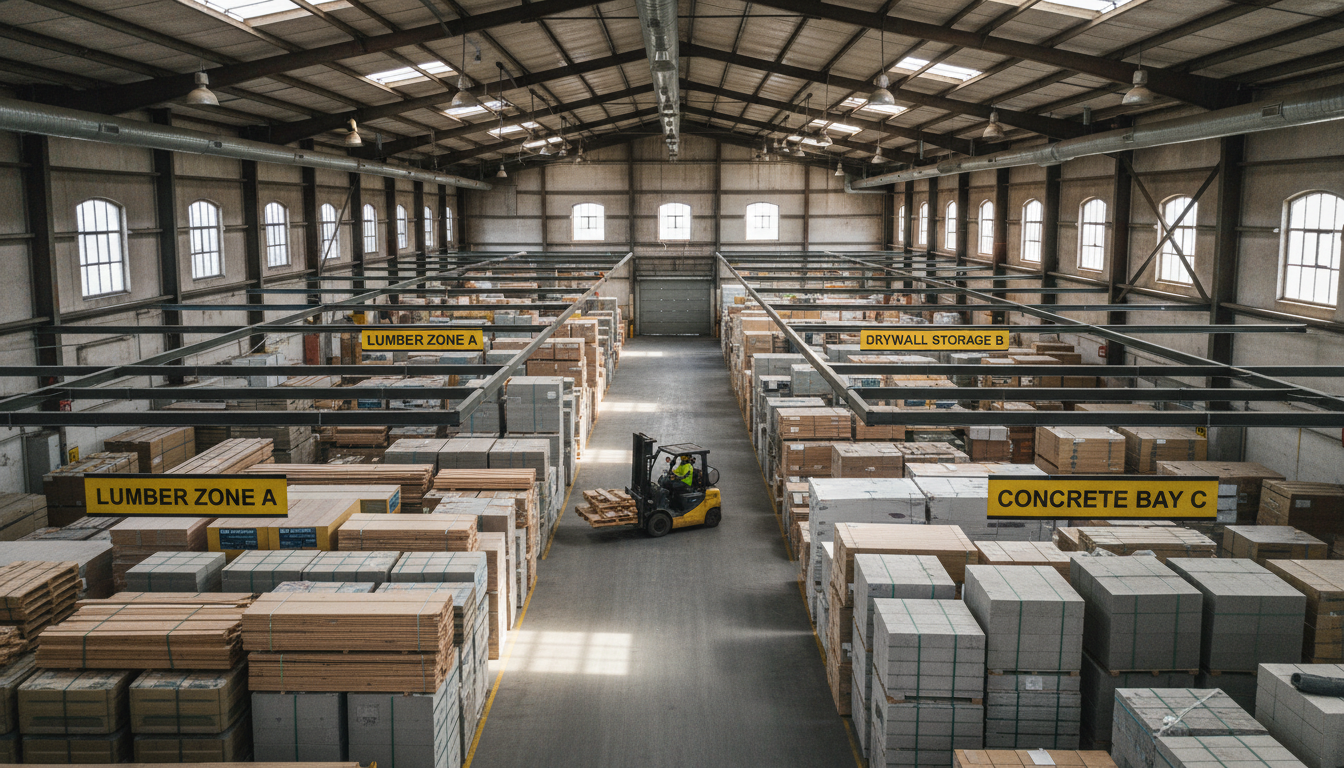
Geographical and Environmental Challenges
Australia's diverse climate and geographical conditions can pose significant challenges in warehouse construction. From the tropical climates in the north to the arid conditions in the interior, each region requires specific design considerations. Builders must ensure that warehouses are not only structurally sound but also energy efficient and environmentally sustainable.
To overcome these challenges, engaging with local architects and engineers who understand the regional requirements is crucial. Additionally, using materials that can withstand extreme weather conditions is vital for long-term durability.
Regulatory Compliance and Safety Standards
Compliance with Australian building regulations and safety standards is another major hurdle. These regulations are designed to ensure the safety and well-being of workers and the public. However, navigating the complexities of these requirements can be daunting for construction companies.
Maintaining an open line of communication with local authorities and investing in regular staff training can help ensure that all regulations are met. Furthermore, adopting new technologies, such as Building Information Modeling (BIM), can streamline compliance processes.
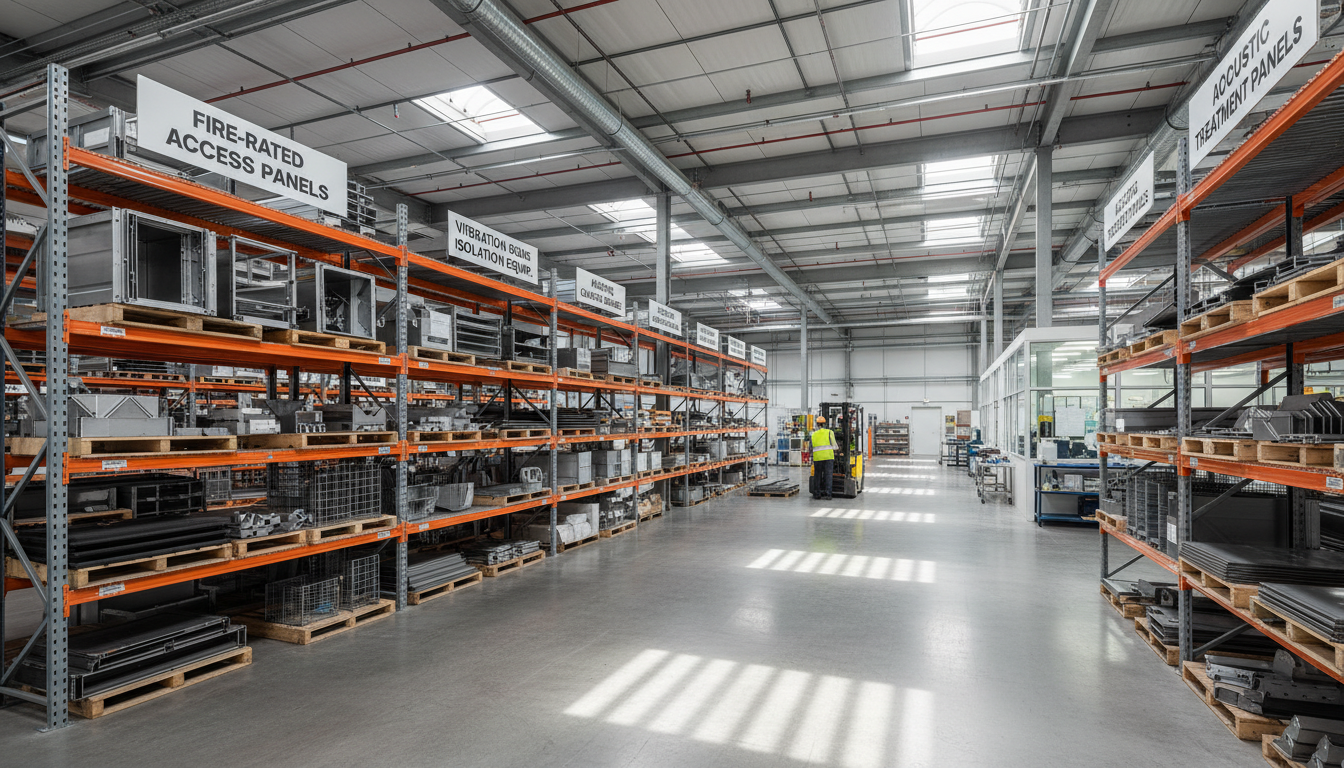
Technological Integration
In the age of automation, integrating advanced technology within warehouses is essential. Automated systems for inventory management and robotics for handling goods are becoming increasingly prevalent. However, retrofitting existing structures to accommodate these technologies can be challenging.
Planning for technological integration from the design phase can prevent costly modifications later. Collaborating with technology providers early in the construction process ensures that the necessary infrastructure is in place for seamless integration.
Cost Management and Budgeting
Cost overruns are a common issue in construction projects, and warehousing is no exception. Adequate budgeting and cost management are critical to prevent financial strain. Unexpected expenses can arise from design changes, material shortages, or delays.
Effective project management practices, including regular financial reviews and contingency planning, can mitigate these risks. Establishing a detailed project timeline and sticking to it is also essential to keep costs in check.

Future-Proofing Warehouses
As the industry continues to evolve, future-proofing warehousing facilities is becoming increasingly important. This involves designing flexible spaces that can adapt to changing business needs and technological advancements.
Incorporating modular designs and scalable systems allows warehouses to expand or reconfigure their spaces as required. This adaptability ensures that facilities remain relevant and functional for years to come.
Conclusion
Overcoming the construction challenges in Australian warehousing requires a strategic approach that considers environmental, regulatory, technological, and financial factors. By addressing these issues proactively, businesses can ensure the creation of robust, efficient, and future-ready warehousing solutions.
Collaboration with experts, careful planning, and a focus on sustainability will pave the way for the successful development of Australia's warehousing infrastructure.