
The Latest Trends in Industrial Warehouse Design and Construction


Embracing Sustainability in Warehouse Design
In recent years, sustainability has become a cornerstone of industrial warehouse design. Companies are increasingly recognizing the importance of eco-friendly practices, leading to the integration of green building materials and energy-efficient systems. This trend not only reduces environmental impact but also lowers operational costs in the long term.
Many warehouses are now equipped with solar panels, advanced HVAC systems, and LED lighting. These features significantly decrease energy consumption, contributing to a more sustainable operation. Additionally, the use of recycled and locally sourced materials is becoming more common in construction.
Smart Technology Integration
The rise of smart technology is transforming how warehouses operate. With the implementation of IoT devices, warehouse managers can now monitor and optimize every aspect of their facility in real-time. This includes tracking inventory levels, managing energy use, and ensuring optimal climate conditions for sensitive products.
Automated guided vehicles (AGVs) and robotics are also becoming standard in modern warehouses. These technologies increase efficiency and reduce labor costs, allowing for faster and more accurate order fulfillment.
Flexible and Modular Designs
Flexibility is a key trend in warehouse design, with many facilities adopting modular layouts. This approach allows warehouses to adapt quickly to changing business needs, such as fluctuations in inventory or evolving product lines. Modular designs offer the advantage of scalability, making it easier to expand or reorganize as necessary.

Enhanced Safety Features
Safety remains a top priority in warehouse design, and new technologies are enhancing the ability to maintain a secure environment. Modern warehouses often include advanced fire suppression systems, automated safety checks, and improved ergonomics for workers. These features help reduce accidents and protect valuable inventory.
Furthermore, the use of wearable technology is rising, providing real-time data on worker health and safety. This proactive approach helps prevent injuries and ensures a safer workplace.
Optimized Space Utilization
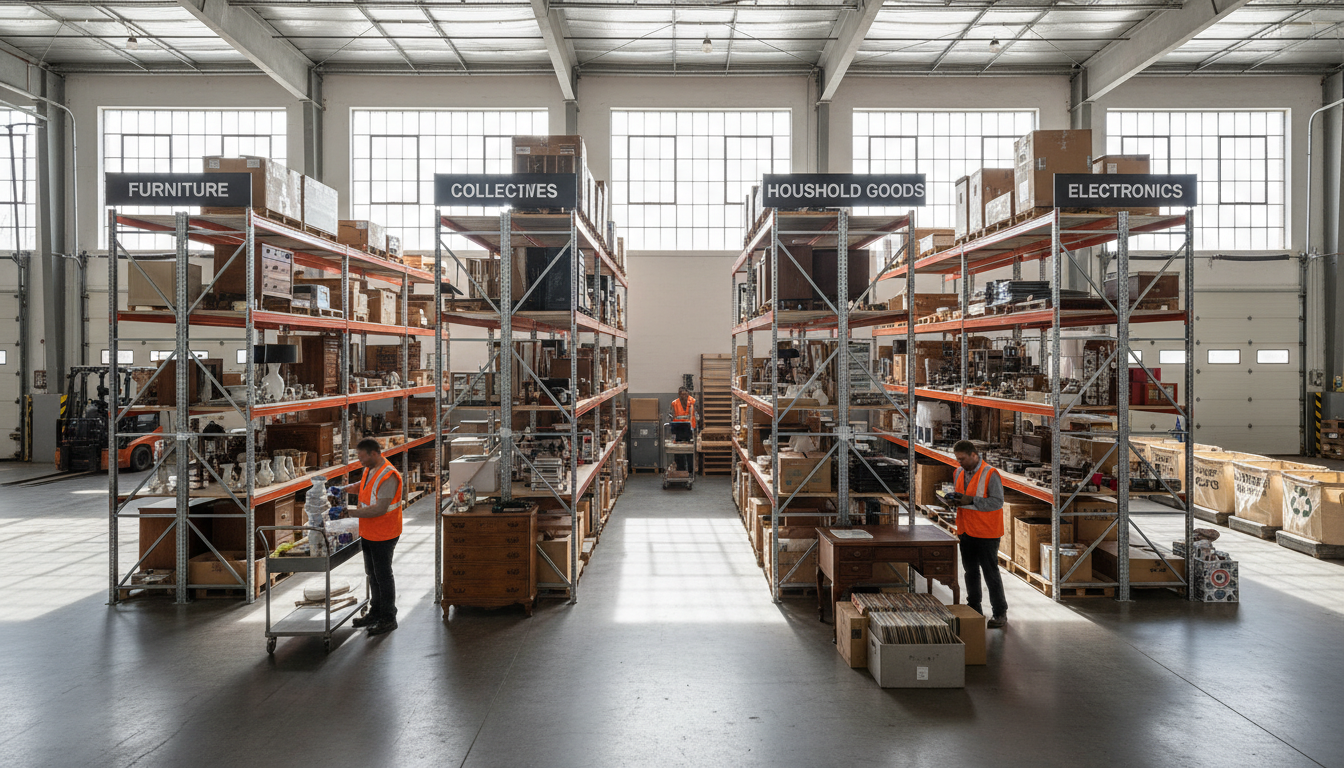
As e-commerce continues to grow, the demand for efficient storage solutions is on the rise. Innovative shelving systems and vertical storage solutions are maximizing space utilization within warehouses. These designs allow businesses to store more products without the need for additional square footage.
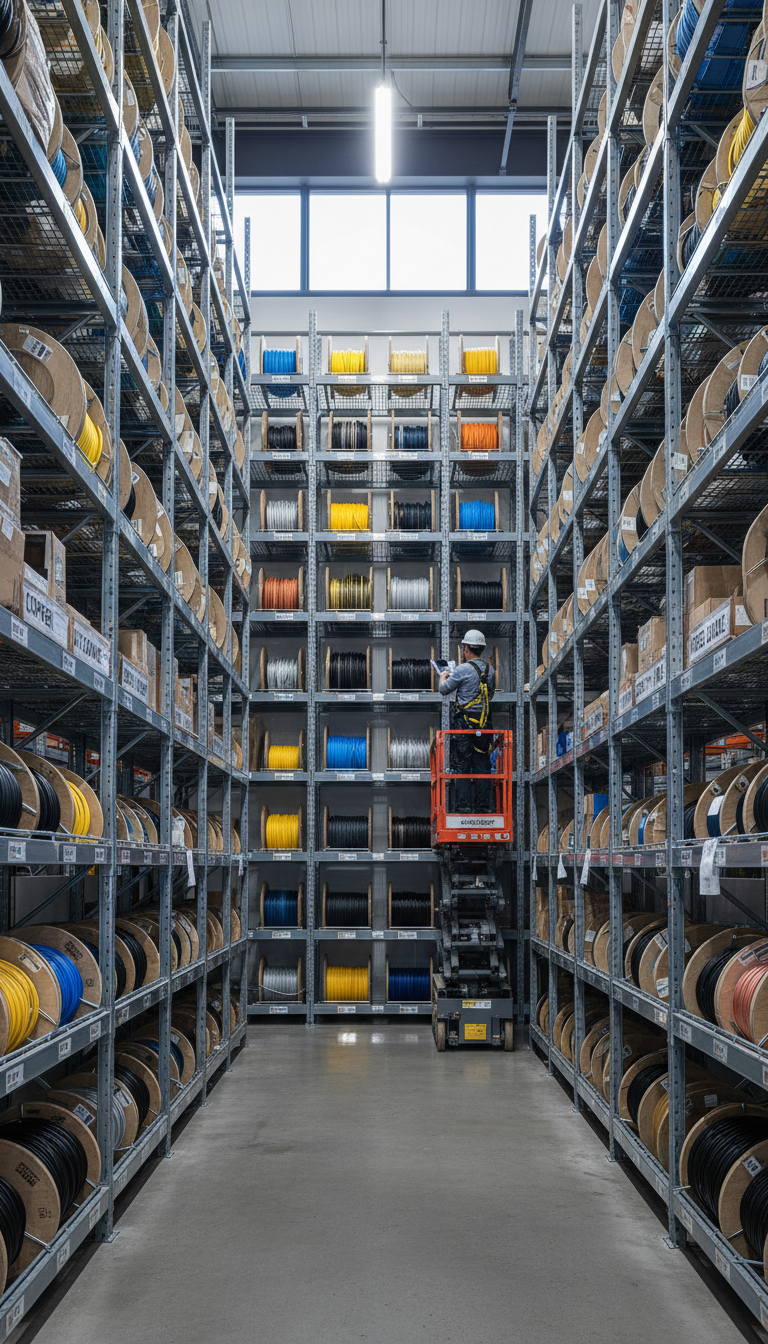
Mezzanine floors and multi-level racking systems are also gaining popularity, providing additional storage space while maintaining accessibility. This trend is crucial for businesses looking to optimize their operations without incurring significant construction costs.
Conclusion: The Future of Warehouse Design
The latest trends in industrial warehouse design and construction highlight a shift toward more sustainable, efficient, and flexible facilities. By adopting these innovations, businesses can not only improve their operational efficiency but also contribute to a more sustainable future. As technology continues to advance, we can expect even more exciting developments in the world of warehouse design.