
Latest Trends in Industrial Warehouse Design and Technology


Embracing Smart Technology
The landscape of industrial warehouse design is rapidly evolving, driven by advancements in technology and changing business needs. One of the most significant trends is the integration of smart technology. Warehouses are increasingly adopting Internet of Things (IoT) devices, which enable real-time data collection and analysis. This helps in optimizing operations and improving efficiency.
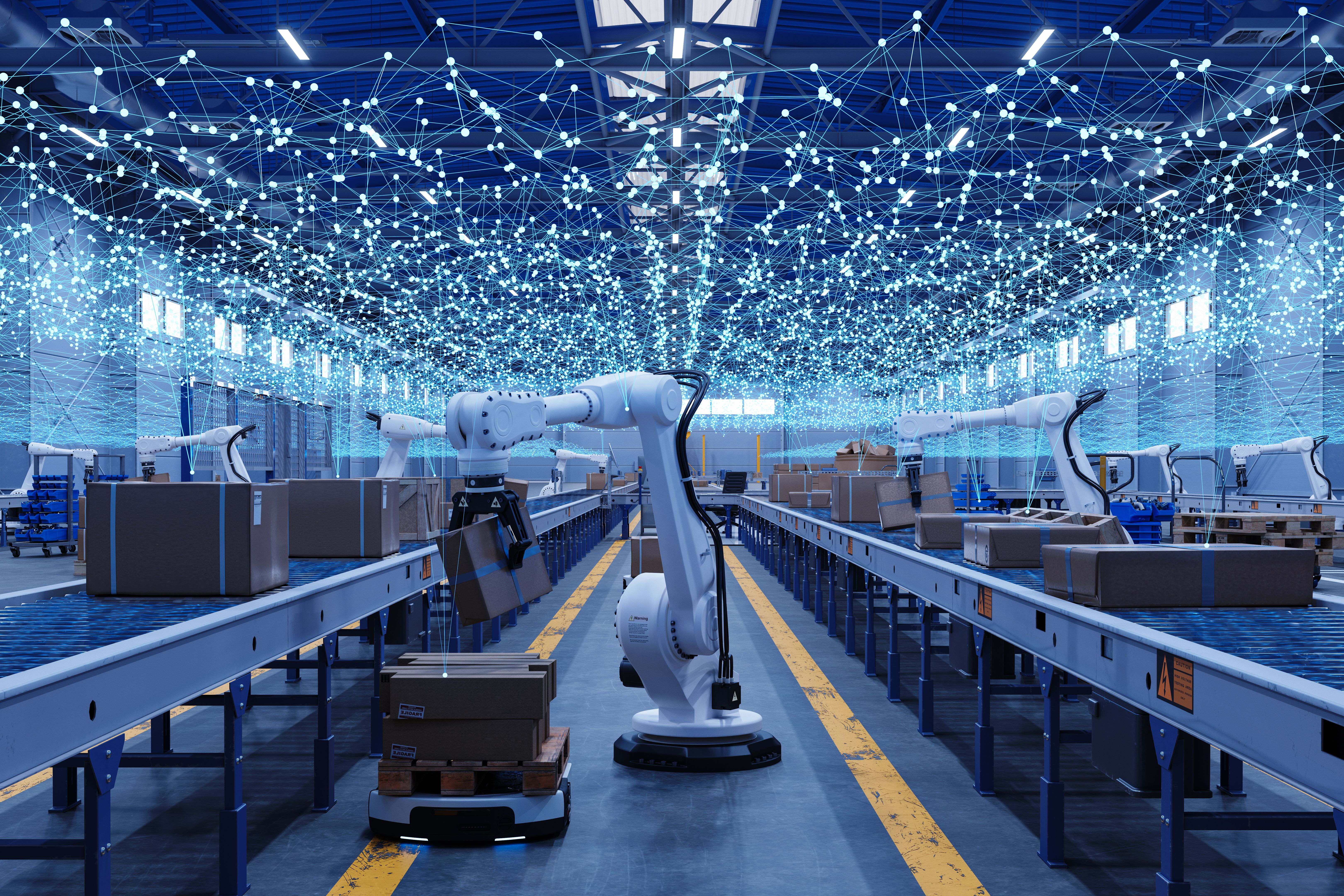
Smart sensors and RFID tags are now common, allowing for precise inventory tracking and improved stock management. By leveraging these technologies, warehouses can minimize errors and reduce manual labor, ultimately leading to faster order fulfillment.
Automation and Robotics
Automation has become a cornerstone of modern warehouse design. Automated guided vehicles (AGVs) and autonomous mobile robots (AMRs) are being employed to handle repetitive tasks, such as transporting goods across the warehouse floor. This not only enhances productivity but also ensures safety by reducing human involvement in potentially hazardous tasks.
Moreover, robotic picking systems are revolutionizing order processing. These systems can efficiently pick and pack items, significantly cutting down on processing time. As technology evolves, these systems are becoming more sophisticated, capable of handling a diverse range of products with greater accuracy.
Sustainable Design Practices
With growing awareness of environmental issues, sustainability has become a key focus in warehouse design. Many warehouses are now being built with eco-friendly materials and energy-efficient systems. Solar panels, energy-efficient lighting, and advanced insulation are just a few examples of sustainable practices being implemented.

Additionally, rainwater harvesting and waste recycling systems are becoming standard features. These practices not only reduce the environmental impact but also lead to significant cost savings in the long run.
Flexible and Modular Layouts
Flexibility is crucial in today's fast-paced market environment. Warehouses are increasingly adopting modular layouts that allow for easy reconfiguration. This adaptability enables businesses to quickly respond to changing demands and optimize space utilization without significant disruptions.
Modular designs can accommodate a variety of storage solutions, from pallet racks to mezzanines, ensuring that the warehouse can evolve alongside the business. This adaptability is particularly valuable for companies experiencing rapid growth or seasonal fluctuations in demand.
Enhanced Safety Measures
Safety remains a top priority in warehouse design, and new technologies are enhancing safety protocols. Advanced monitoring systems, including surveillance cameras and automated alarm systems, are being integrated to ensure a secure working environment.
Furthermore, wearable technology is gaining popularity, providing workers with real-time alerts about potential hazards. This proactive approach to safety helps in reducing workplace accidents and maintaining a healthy workforce.
Conclusion
The latest trends in industrial warehouse design and technology are transforming the industry, making operations more efficient, sustainable, and safe. By embracing smart technology, automation, and sustainable practices, businesses can not only enhance their operational capabilities but also contribute to a more sustainable future.