
Key Trends in Industrial Warehouse Design and Construction


Embracing Sustainability
In recent years, sustainability has become a cornerstone in industrial warehouse design and construction. Developers are increasingly focused on minimizing environmental impact by incorporating eco-friendly materials and energy-efficient systems. Many warehouses now feature solar panels, green roofs, and advanced insulation to reduce energy consumption.
Moreover, water conservation is being prioritized through the use of rainwater harvesting systems and low-flow fixtures. These sustainable practices not only lower operational costs but also enhance the overall brand image of companies committed to environmental responsibility.
Integration of Technology
The integration of technology in warehouse design is transforming the way industrial spaces operate. Automated systems, such as robotics and AI-driven management tools, are becoming standard in modern warehouses. These technologies improve efficiency by streamlining operations and reducing the need for manual labor.
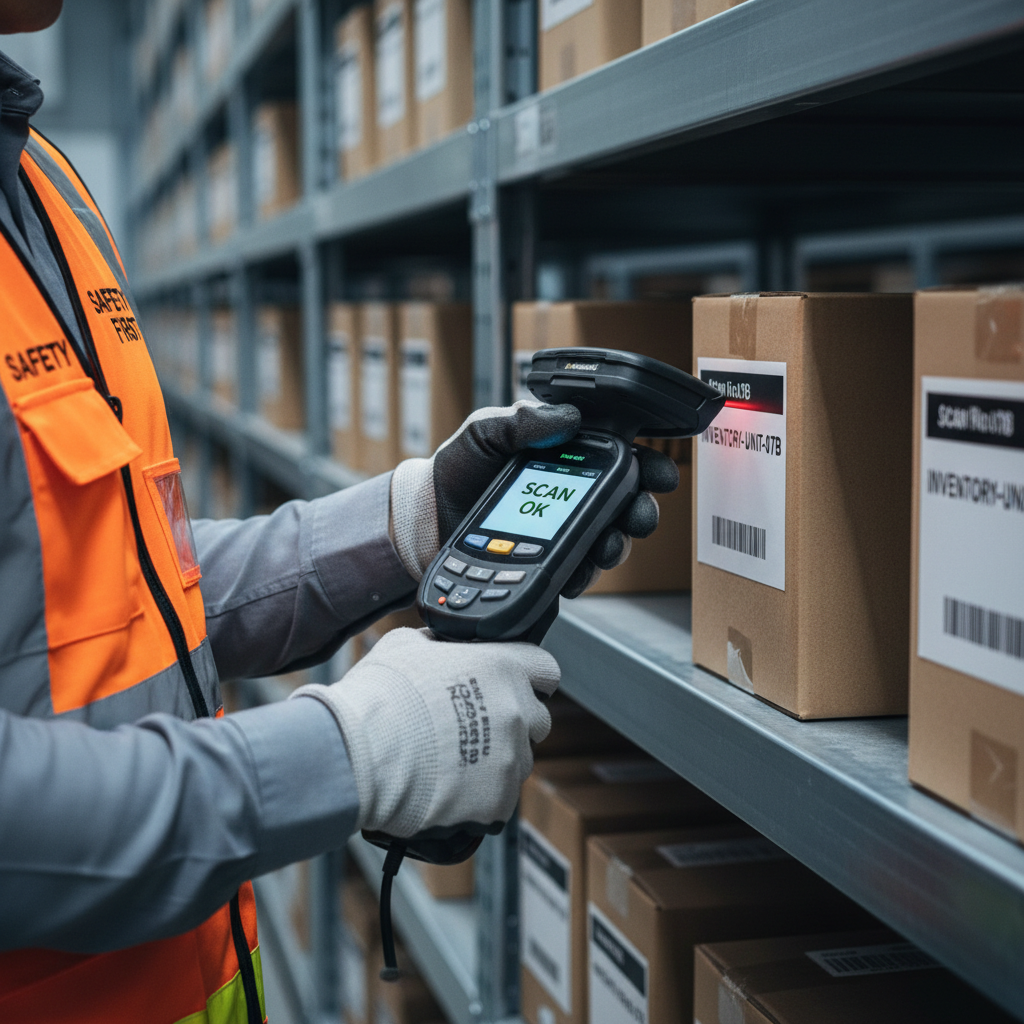
Additionally, the Internet of Things (IoT) is playing a crucial role in warehouse management. IoT devices provide real-time data on inventory levels, equipment performance, and environmental conditions, enabling more informed decision-making.
Smart Design for Enhanced Efficiency
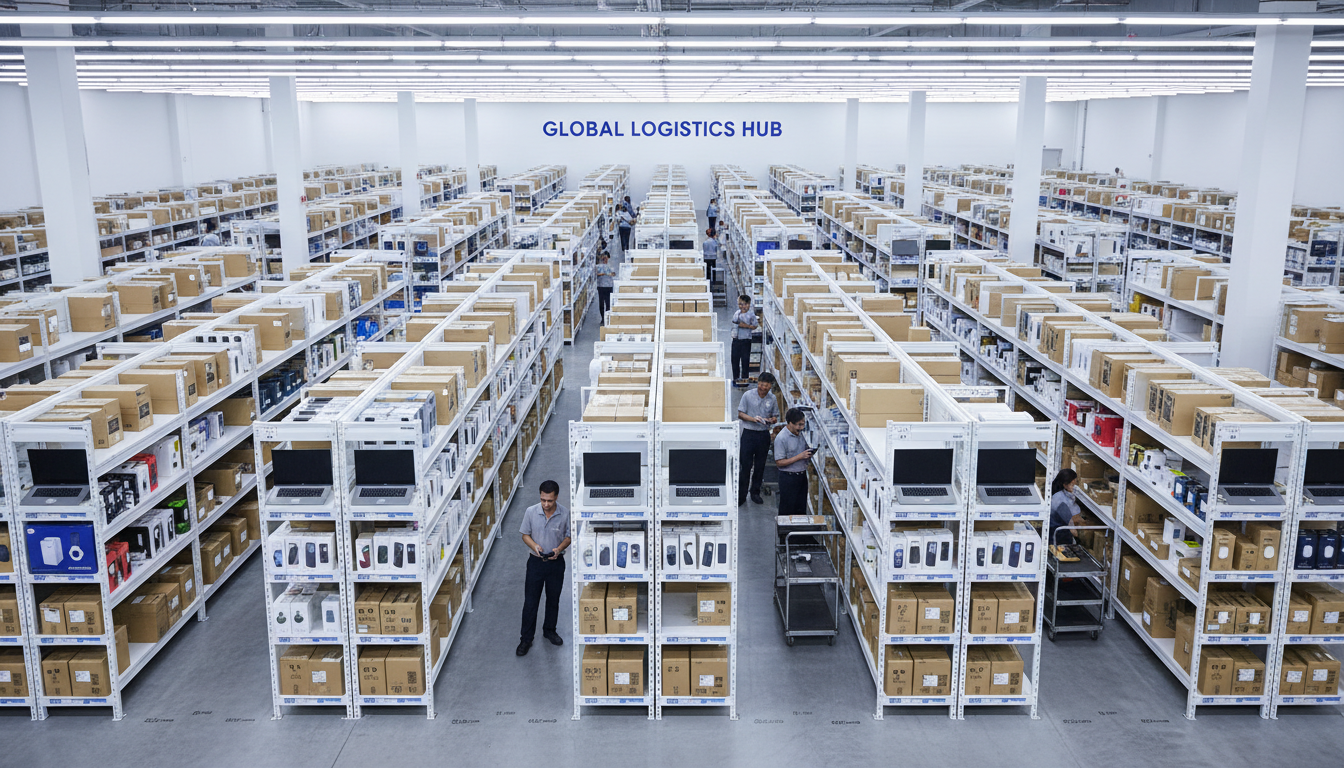
With the rise of e-commerce and the demand for faster delivery times, the design of warehouses is evolving to enhance efficiency. Open floor plans and high ceilings are now common, allowing for better space utilization and flexible layout configurations. This smart design approach supports the incorporation of automated storage and retrieval systems (AS/RS) for improved inventory management.
Focus on Employee Well-being
Modern warehouse designs are increasingly focusing on employee well-being. Natural lighting, ergonomic workstations, and comfortable break areas contribute to a healthier and more productive work environment. By prioritizing the well-being of workers, companies can reduce turnover rates and improve overall job satisfaction.
Adaptability and Flexibility
As business needs change, warehouses must be adaptable. Designing spaces that can be easily reconfigured to accommodate different types of operations is essential. Modular construction techniques and movable partitions are becoming popular solutions, allowing spaces to evolve as requirements shift.
The flexibility of a warehouse not only caters to current demands but also prepares businesses for future growth and changes in the market.
Security and Safety Enhancements
Ensuring the safety and security of warehouse facilities is a top priority. Advanced surveillance systems, access controls, and fire suppression systems are integral components of modern warehouse design. These features protect both the physical structure and the valuable assets within.
In addition, safety measures such as improved lighting, clear signage, and designated emergency exits help create a safer working environment for employees.
Overall, the trends in industrial warehouse design and construction reflect a growing emphasis on sustainability, technology, and human-centric considerations. As these trends continue to evolve, they promise to reshape the industry, making warehouses more efficient, adaptable, and aligned with the needs of the future.