Key Considerations for Industrial Warehouse Design in Australia


Designing an industrial warehouse in Australia requires a thorough understanding of various factors that can influence the functionality, safety, and efficiency of the space. Whether you're building a new facility or renovating an existing one, being aware of key considerations is crucial to creating a productive environment.
Location and Accessibility
One of the most critical factors in warehouse design is choosing the right location. Proximity to major transport routes, suppliers, and customers can significantly impact operational efficiency. In Australia, this often means considering access to highways, ports, and rail networks to facilitate smooth logistics operations.
Additionally, accessibility for employees and service providers is essential. Ample parking facilities and safe entry and exit points should be integrated into the design to ensure seamless daily operations.

Layout and Space Utilization
The layout of a warehouse plays a pivotal role in its effectiveness. A well-planned layout can optimize space utilization, streamline workflows, and reduce bottlenecks. In Australia, where space can be at a premium, it's vital to maximize every square meter efficiently.
Considerations such as aisle width, storage solutions, and equipment placement can greatly influence the overall productivity of the warehouse. Implementing a flexible design that can adapt to changing needs is also beneficial in the long run.

Compliance with Regulations
In Australia, compliance with local building codes and regulations is non-negotiable. This includes adhering to guidelines related to fire safety, electrical systems, and health and safety standards. Ensuring that your warehouse design meets these regulations is essential to avoid legal issues and potential fines.
Consulting with experts who are familiar with the Australian regulatory landscape can help streamline this process and ensure that your facility is up to code from the outset.

Environmental Considerations
With increasing awareness of environmental impact, sustainable design practices are becoming a priority in warehouse construction. Incorporating energy-efficient systems, such as LED lighting and solar panels, can reduce energy consumption and lower operational costs.
Additionally, utilizing eco-friendly materials and implementing waste reduction strategies can contribute to a more sustainable warehouse operation, aligning with both corporate responsibility and consumer expectations.
Technology Integration
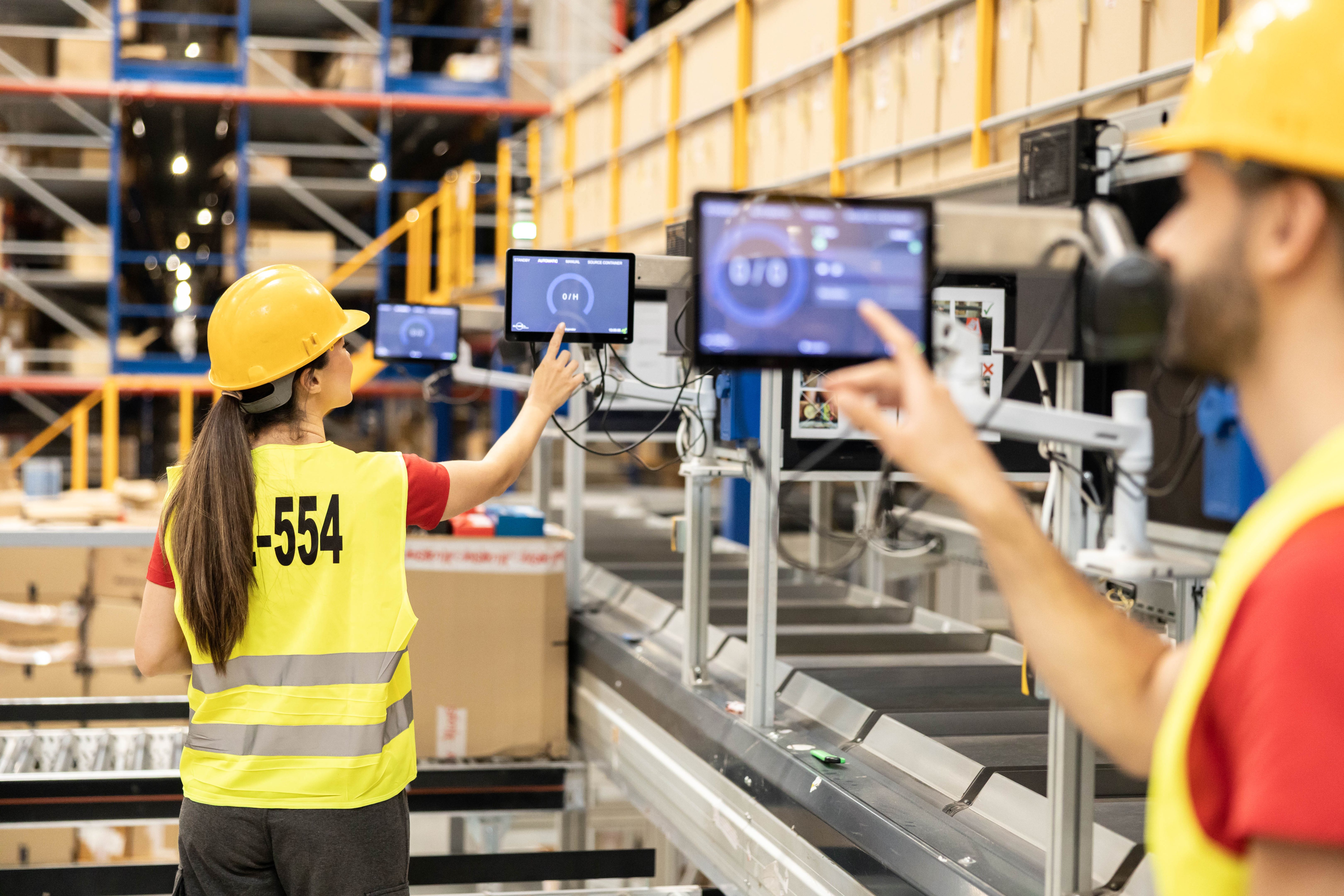
Modern warehouses are increasingly reliant on technology to enhance operations. Integrating advanced systems like automated storage and retrieval systems (ASRS), inventory management software, and IoT devices can lead to significant improvements in efficiency and accuracy.
When designing a warehouse in Australia, it's important to consider the technological infrastructure required to support these systems, ensuring robust connectivity and scalability for future advancements.
Conclusion
Designing an industrial warehouse in Australia involves a multifaceted approach that takes into account location, layout, compliance, environmental concerns, and technology. By carefully considering these factors, businesses can create a warehouse environment that supports operational efficiency and growth.
Engaging with experienced professionals in warehouse design can provide invaluable insights and help navigate the complexities of creating a facility that meets both current and future needs. A well-designed warehouse not only enhances productivity but also contributes to the overall success of the business.