
Innovations in Australian Industrial Warehouse Design


Introduction to Modern Warehouse Design
In recent years, the landscape of industrial warehouse design in Australia has undergone significant transformation. With the surge in e-commerce and technological advancements, the need for more efficient, sustainable, and adaptive warehouse spaces has become paramount. This evolution is not just about aesthetics; it is about functionality, efficiency, and sustainability.
Sustainability in Design
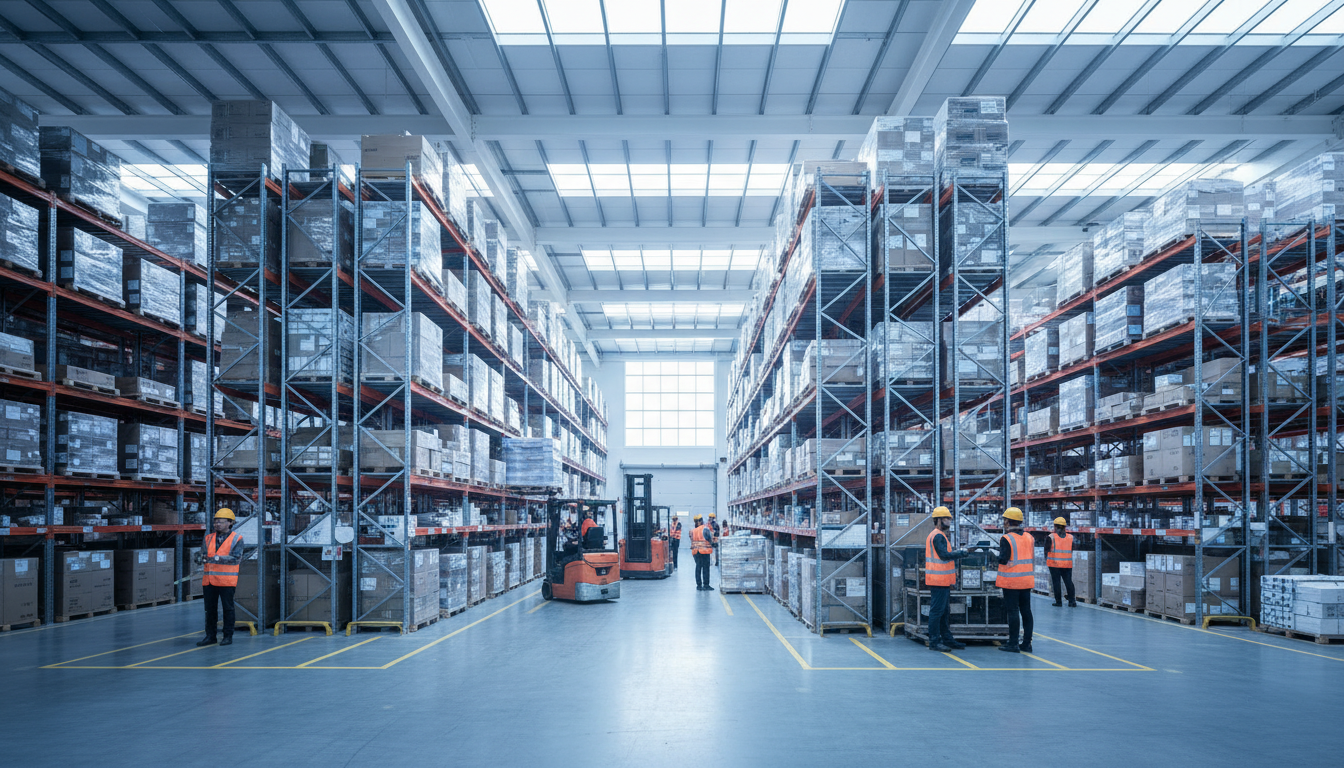
One of the most prominent innovations is the integration of sustainable practices. Warehouses are now being designed with energy efficiency in mind, utilizing solar panels, energy-efficient lighting, and advanced insulation techniques. These changes not only reduce carbon footprints but also lead to significant cost savings in the long run.
Additionally, many warehouses are incorporating rainwater harvesting systems and using recycled materials in construction. Such innovations reflect a growing commitment to environmentally responsible practices in the industrial sector.
Technological Advancements
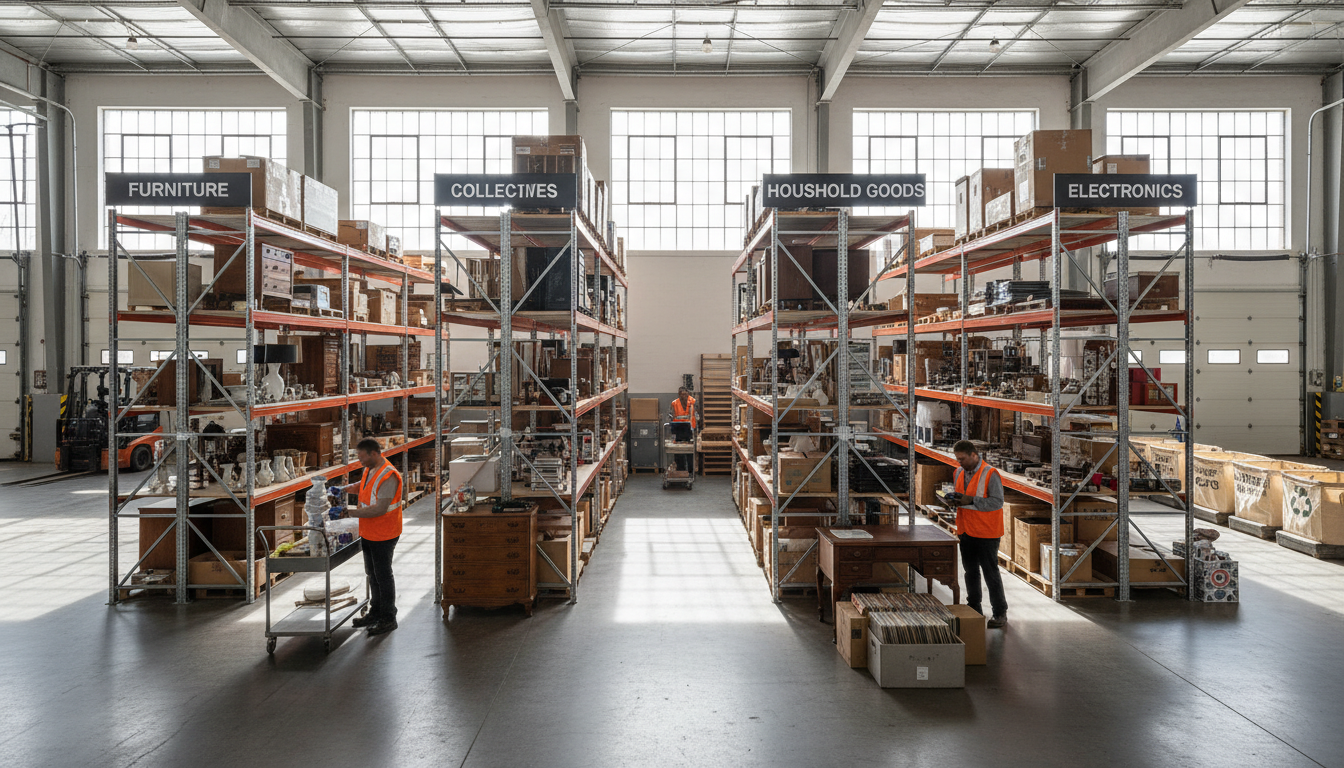
Technology plays a crucial role in the evolution of warehouse design. From automated storage and retrieval systems (AS/RS) to the use of robotics for inventory management, these advancements optimize space and increase operational efficiency. The implementation of Internet of Things (IoT) devices also allows for real-time tracking and monitoring of goods, enhancing accuracy and reducing human error.
Moreover, warehouses are increasingly equipped with advanced security systems, including facial recognition and biometric access controls, ensuring the safety and security of the stored goods.
Flexible and Adaptive Spaces
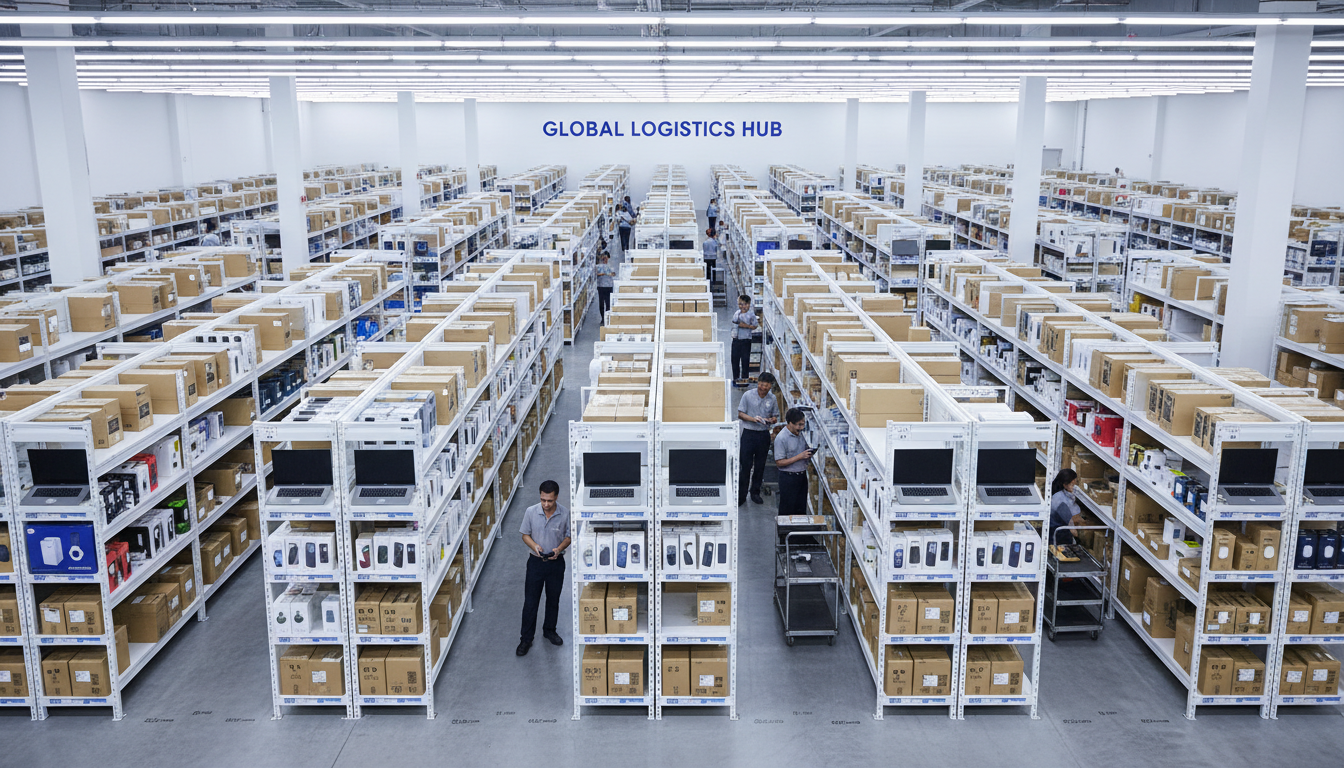
As the market demands change rapidly, the need for flexible warehouse spaces has become more evident. Modern warehouses are designed to be adaptable, with modular layouts that can be easily reconfigured to meet varying operational needs. This flexibility is crucial for businesses looking to scale operations without incurring significant costs.
The use of movable walls and modular shelving units allows companies to adjust their warehouse layouts quickly, accommodating different types of products and inventory levels.
Focus on Employee Well-being
Innovations in warehouse design also focus on improving the work environment for employees. Enhanced ventilation systems, natural lighting, and ergonomic workstations contribute to a healthier and more productive workforce. Such design elements not only improve morale but also reduce employee turnover and absenteeism.
Conclusion
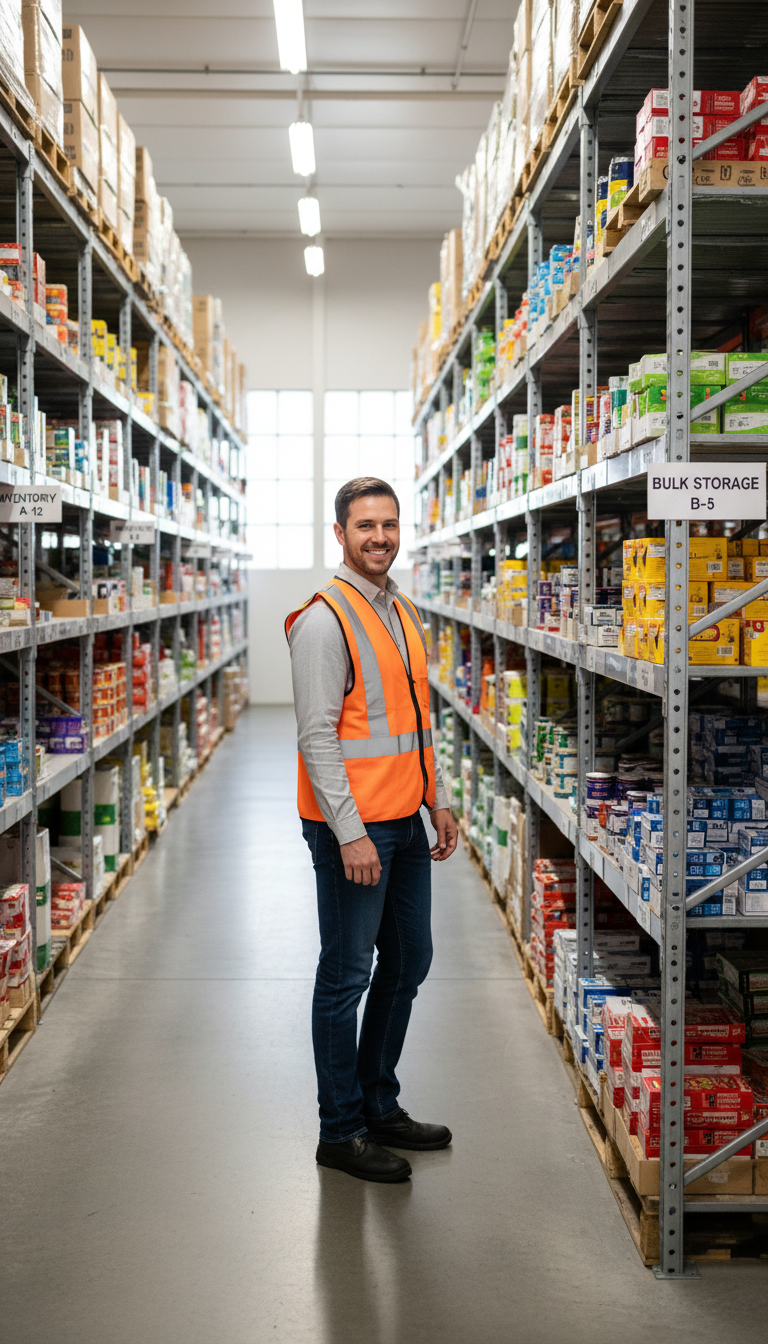
The innovations in Australian industrial warehouse design are setting new standards in the industry. By prioritizing sustainability, leveraging technology, creating flexible spaces, and focusing on employee well-being, these modern warehouses are better equipped to meet the demands of an ever-evolving market. As these trends continue to develop, the future of warehouse design looks promising, with endless possibilities for efficiency and innovation.