
How to Optimize Your Industrial Warehouse Design for Efficiency


Understanding Your Warehouse Needs
Optimizing your industrial warehouse design is crucial to improving overall efficiency and productivity. To start, it’s essential to understand the specific needs of your warehouse. Consider factors such as the types of products stored, the volume of inventory, and the frequency of stock turnover. These elements will guide the design process, ensuring that the layout supports your operational goals.
Designing an Efficient Layout
An effective warehouse layout minimizes unnecessary movement and maximizes space utilization. One common approach is to use a product-based design, where items are grouped by category or frequency of access. This can significantly reduce picking times and improve workflow. Additionally, consider employing a U-shaped layout, which can streamline the flow of goods from receiving to shipping.
Implementing Vertical Storage Solutions
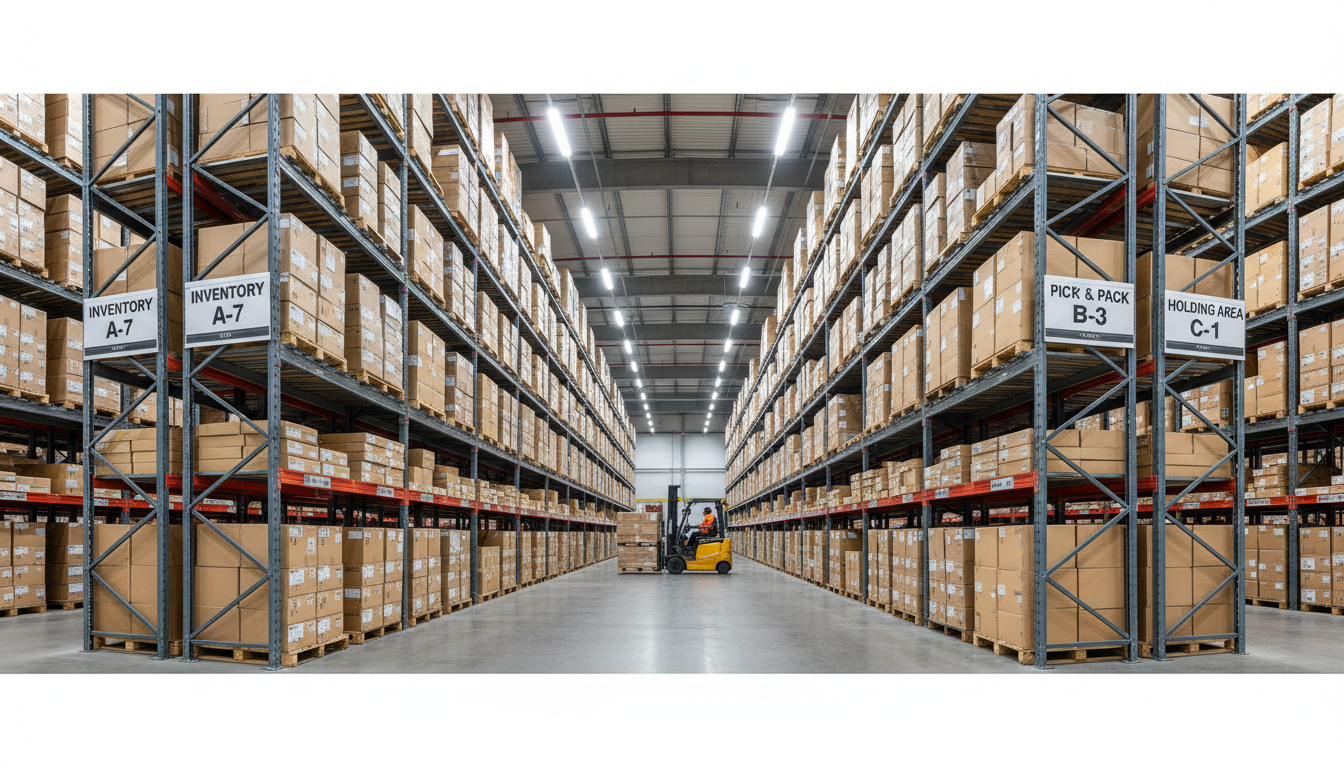
Maximizing vertical space is another vital aspect of warehouse optimization. By using tall shelving units or mezzanines, you can increase storage capacity without expanding the warehouse’s footprint. This approach not only conserves floor space but also enhances accessibility, as items can be stored in a more organized manner.

Incorporating Automation and Technology
Integrating technology into your warehouse design can greatly enhance efficiency. Automated systems such as conveyor belts, robotic pickers, and inventory management software can streamline operations and reduce human error. Investing in these technologies can lead to faster order fulfillment and more accurate stock management.
Adopting an Effective Inventory Management System
An efficient inventory management system is crucial for maintaining optimal stock levels and ensuring that products are easily accessible. Implement software that provides real-time tracking and analytics to help manage inventory more effectively. This will enable you to make informed decisions about restocking and reduce instances of overstocking or stockouts.

Ensuring Safety and Compliance
Safety should always be a priority when designing your warehouse. Ensure that aisles are wide enough for equipment and that emergency exits are clearly marked and accessible. Regularly review safety protocols and ensure that all staff are trained in proper handling and emergency procedures. Compliance with safety regulations not only protects employees but also minimizes potential disruptions to operations.
Fostering a Culture of Continuous Improvement
Finally, create a culture that encourages continuous improvement within your warehouse. Regularly assess and adjust the design and processes based on feedback from staff and performance data. This proactive approach will help identify inefficiencies and implement changes swiftly, keeping your warehouse at peak performance.

By focusing on these key areas, you can optimize your industrial warehouse design for enhanced efficiency and productivity. Implementing strategic changes can lead to significant improvements in workflow, safety, and ultimately, your bottom line. Consider these strategies as a roadmap to a more efficient and effective warehouse operation.