
Exploring Innovative Trends in Industrial Warehouse Design


Embracing Smart Technology
The integration of smart technology is revolutionizing industrial warehouse design. Warehouses are now adopting Internet of Things (IoT) devices to enhance operational efficiency. These smart devices can monitor inventory levels, track equipment usage, and optimize energy consumption. By implementing IoT, warehouses can significantly reduce costs and improve productivity.
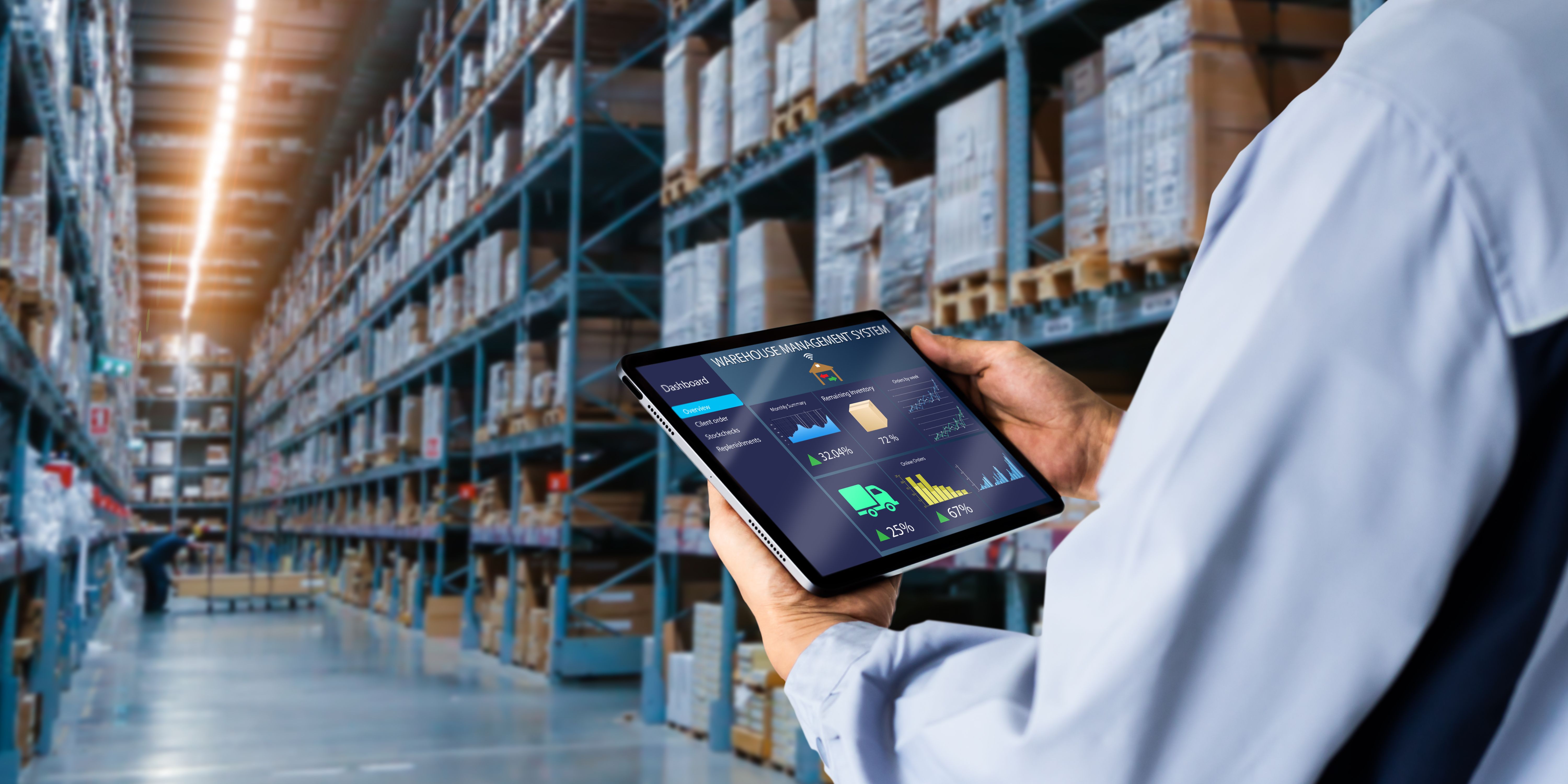
Automated systems are also becoming a critical component of modern warehouse design. Robotics and automated guided vehicles (AGVs) are used to handle repetitive tasks, allowing human workers to focus on more complex responsibilities. This shift not only boosts efficiency but also enhances safety by reducing the risk of accidents.
Sustainable and Eco-Friendly Designs
As environmental concerns grow, sustainable design is a major trend in industrial warehouses. Many facilities are incorporating eco-friendly materials and energy-efficient systems. Solar panels, energy-efficient lighting, and advanced insulation techniques are becoming standard features in new warehouse constructions.

Additionally, the use of recycled and locally sourced materials is gaining popularity. By prioritizing sustainability, companies not only reduce their environmental footprint but also appeal to environmentally conscious customers.
Flexible and Modular Spaces
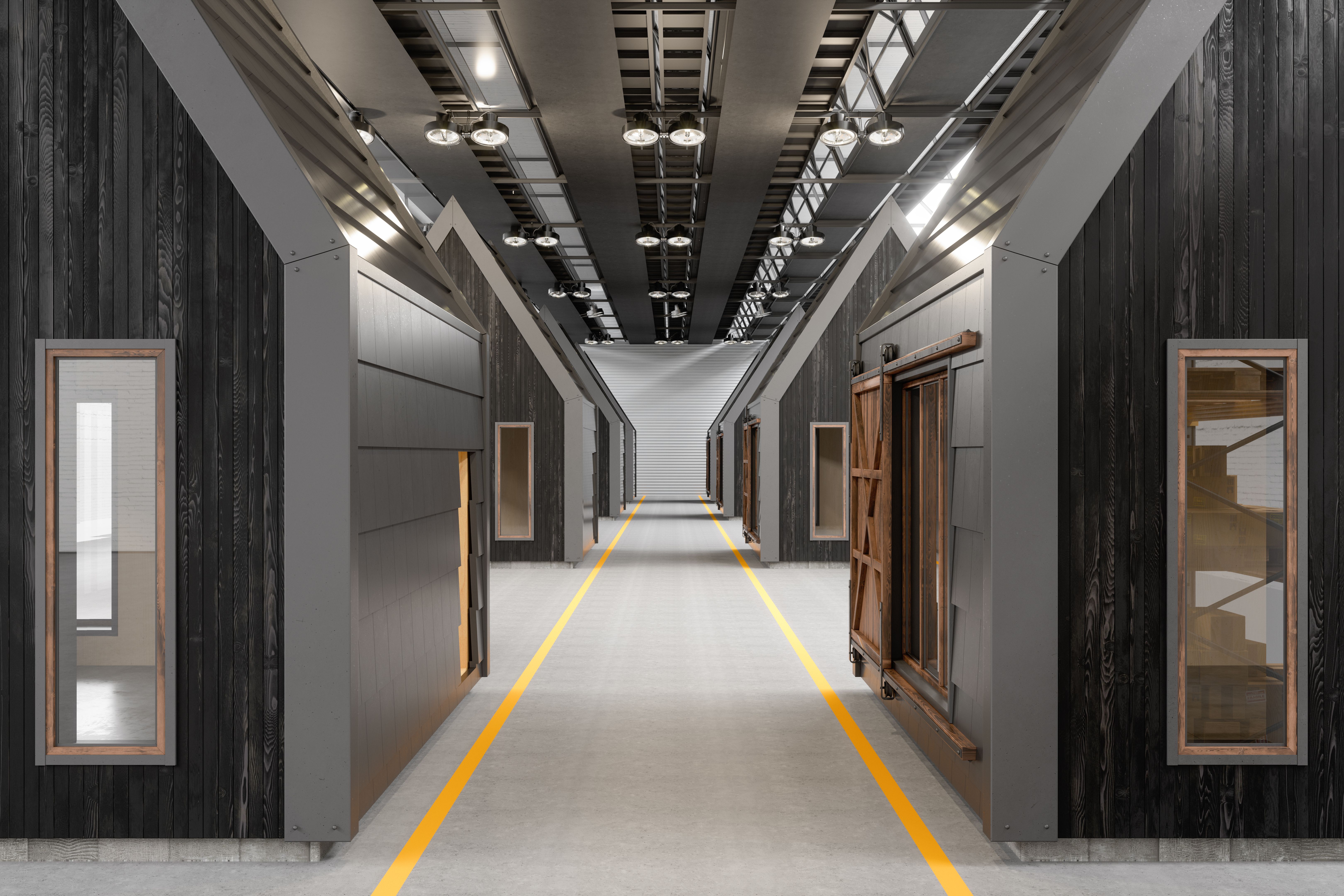
Flexibility is key in today's fast-paced market. Warehouses are now designed with adaptability in mind, featuring modular spaces that can be reconfigured as needed. This allows businesses to quickly respond to changing demands and optimize their operations.
Modular design facilitates scalability, enabling companies to expand or contract their warehouse space without significant downtime or cost. This adaptability is crucial for businesses looking to stay competitive in a rapidly evolving industry.
Enhanced Safety Features
Safety is a top priority in industrial warehouse design. Modern facilities are incorporating advanced safety measures to protect workers and equipment. This includes the use of automated safety systems, improved ventilation, and enhanced fire safety protocols.
Wearable technology is also being employed to monitor worker health and safety. These devices can track vital signs and alert managers to potential health risks, ensuring a safer working environment for all employees.
Data-Driven Decision Making
The use of data analytics is transforming how warehouses operate. By collecting and analyzing data, businesses can make informed decisions that drive efficiency and profitability. Data-driven insights can pinpoint bottlenecks, optimize workflows, and predict future trends.

Advanced software solutions are enabling real-time data access, allowing warehouse managers to make quick and accurate decisions. This trend is set to continue as technology advances and data becomes an even more integral part of warehouse management.