
Expert Tips on Reducing Energy Costs in Industrial Warehouses


Understanding Energy Consumption in Warehouses
Industrial warehouses are notorious for consuming large amounts of energy. Understanding where this energy is used is the first step to reducing costs. Typically, significant energy consumption areas include lighting, heating, cooling, and machinery.
Identifying these energy-draining sectors allows warehouse managers to focus on effective strategies to minimize waste and optimize usage.
Optimizing Lighting Systems
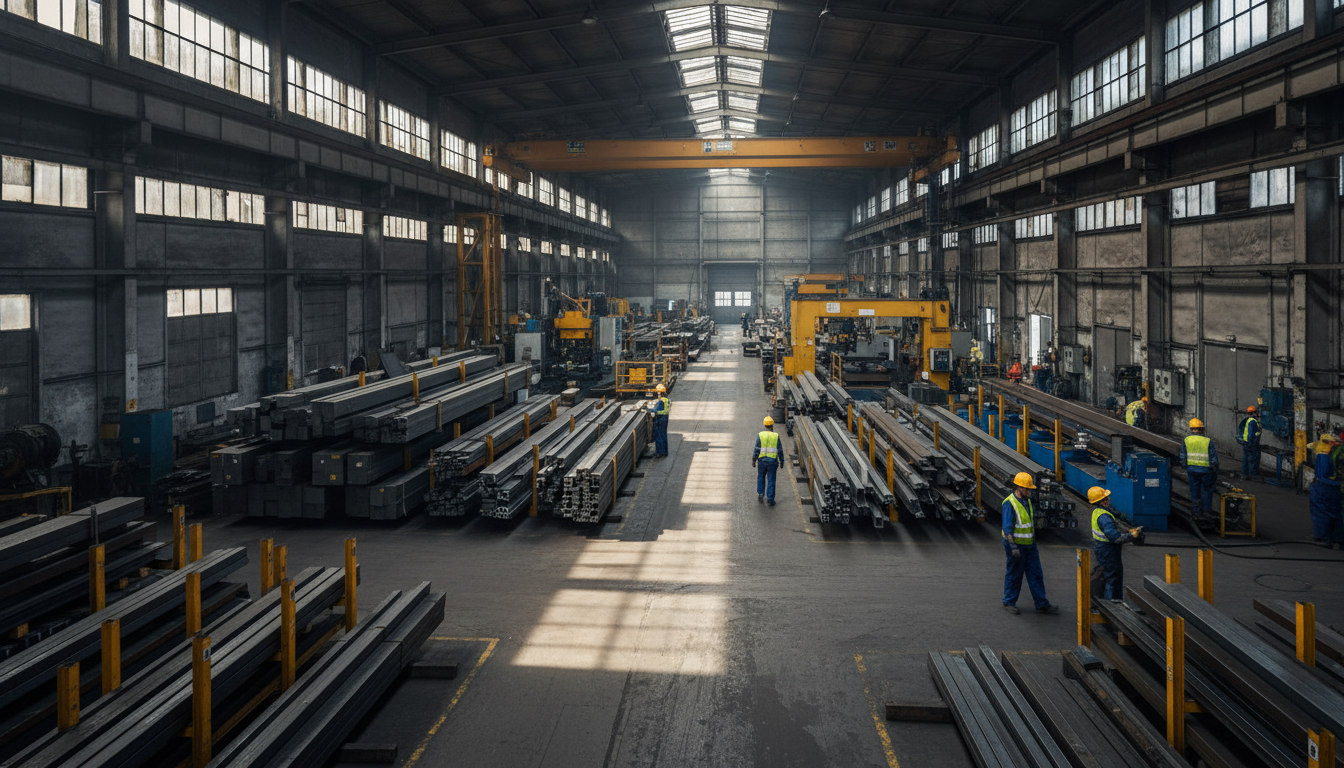
Lighting can account for a substantial portion of a warehouse's energy use. Switching to LED lighting can dramatically cut energy costs. LEDs are not only more efficient but also have a longer lifespan compared to traditional lighting options.
Additionally, consider installing motion sensors and smart lighting systems. These technologies ensure lights are only on when needed, further reducing energy consumption.
Enhancing Insulation and HVAC Efficiency
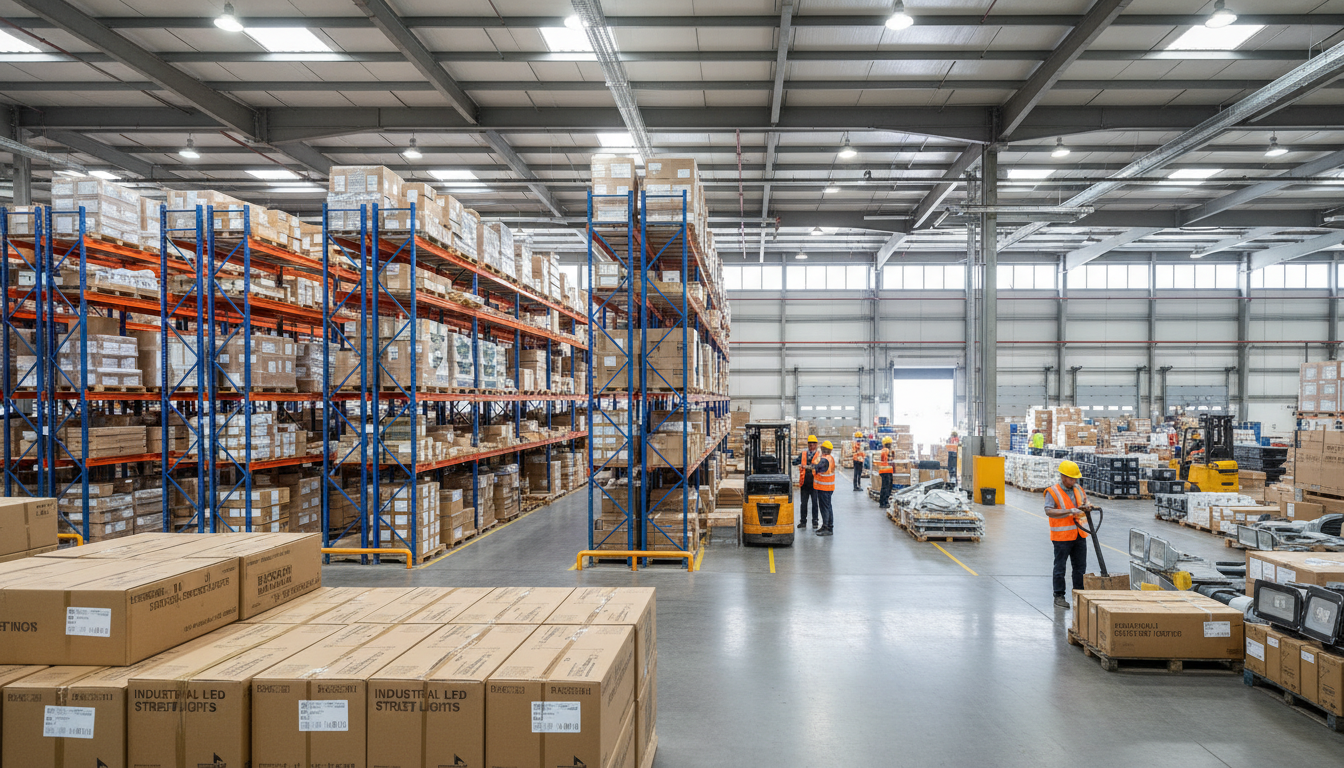
Heating, ventilation, and air conditioning (HVAC) systems are another major energy expense in warehouses. Improving insulation can help maintain temperatures more effectively, reducing the need for constant heating or cooling.
Regular maintenance of HVAC systems, along with the use of energy-efficient models, can lead to significant cost savings. Consider using programmable thermostats to optimize temperature settings based on operational hours.
Implementing Energy Management Systems
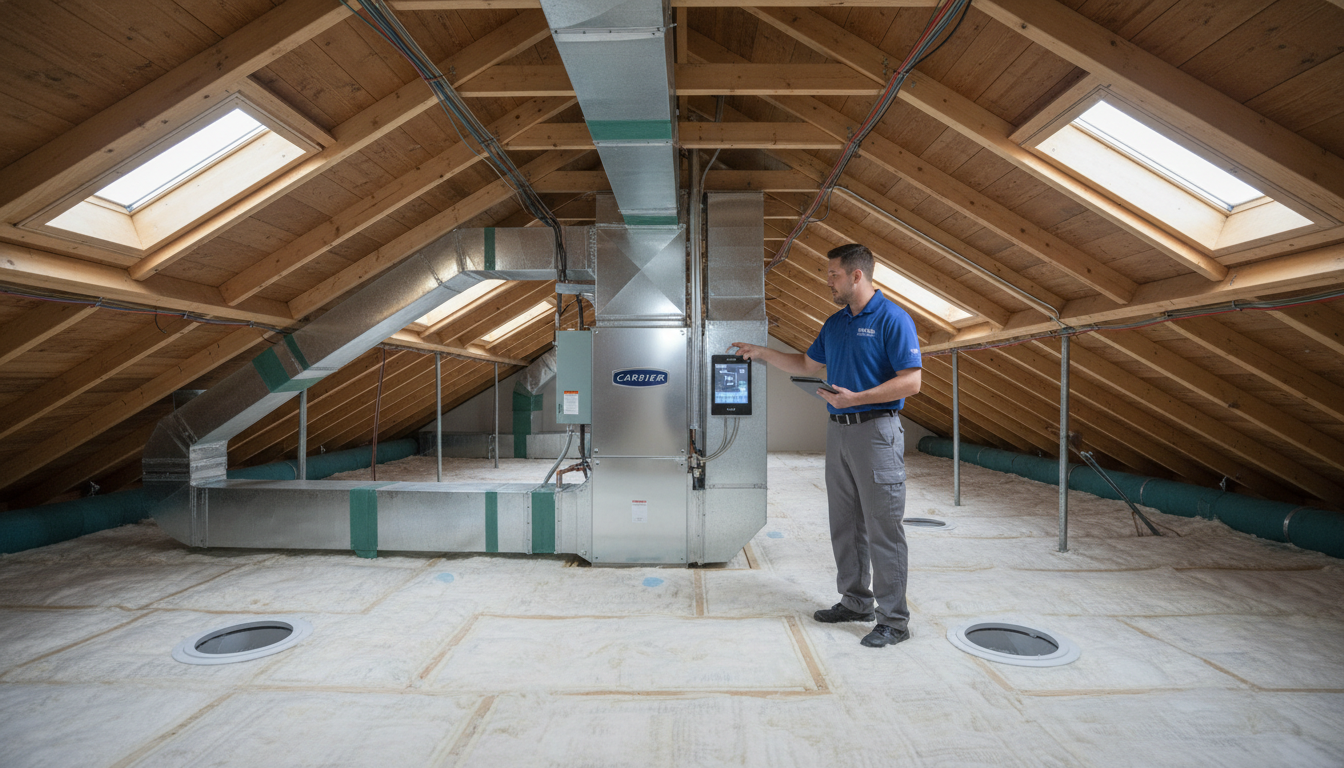
Energy Management Systems (EMS) allow warehouse operators to monitor and control energy usage in real-time. By analyzing data, these systems can provide insights into areas where energy is being wasted and suggest improvements.
Implementing an EMS can lead to substantial reductions in energy costs by enabling more informed decision-making regarding energy use.
Utilizing Renewable Energy Sources
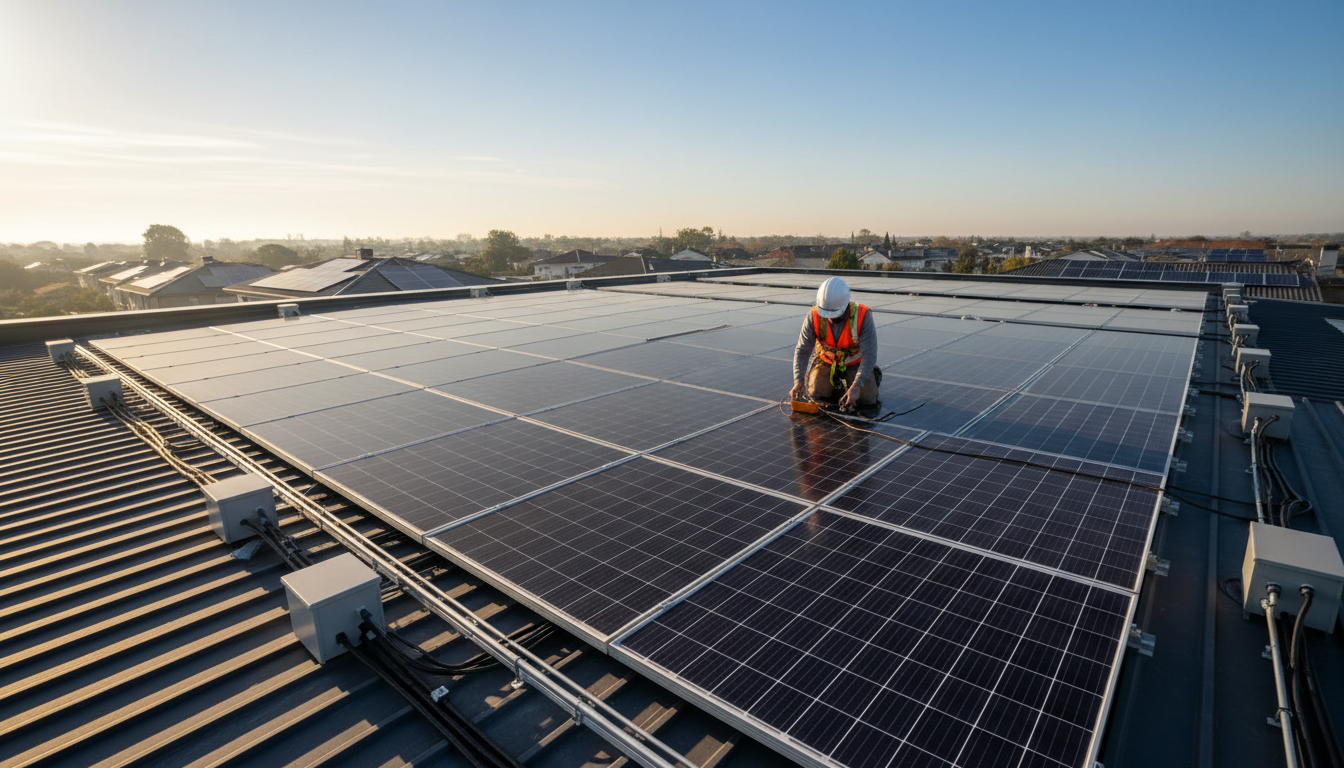
Investing in renewable energy sources like solar panels can be a significant step towards reducing energy costs. While the initial investment may be high, the long-term savings and environmental benefits make it a worthwhile consideration.
Government incentives and rebates can also help offset the initial costs of renewable energy installations, making them more accessible for warehouse operations.
Adopting Energy-Efficient Machinery
Replacing old machinery with energy-efficient models can lead to considerable energy savings. Modern equipment is designed to use less energy without compromising performance.
Regular maintenance of equipment also ensures that machinery operates at peak efficiency, reducing unnecessary energy expenditure.
Conducting Regular Energy Audits
Regular energy audits are essential for identifying inefficiencies in energy use. These audits provide insights into potential areas for improvement and help in setting achievable energy-saving goals.
By continuously monitoring energy consumption, warehouses can adapt strategies to maintain long-term cost reductions and energy efficiency.