
Expert Tips on Navigating Construction Regulations for Warehouses in Australia


Understanding the Basics of Construction Regulations
Navigating the construction regulations for warehouses in Australia can be a daunting task. These regulations are essential to ensure the safety, functionality, and sustainability of warehouse structures. Whether you are building a new warehouse or renovating an existing one, understanding these guidelines is crucial for compliance and operational success.
The regulations vary across different states and territories, covering aspects like structural integrity, fire safety, environmental impact, and accessibility. It is important to familiarize yourself with both national and local requirements to avoid any legal pitfalls.

Engage with Local Authorities Early
One of the most effective strategies is to engage with local authorities at the earliest possible stage. Early engagement helps in identifying specific requirements that may apply to your project, such as zoning laws and environmental considerations. This proactive approach not only streamlines the approval process but also minimizes the risk of costly alterations later.
Consider scheduling meetings with local planning departments and regulatory bodies to discuss your project plans. Their insights can provide clarity and direction, ensuring that your project aligns with local standards.
Key Areas to Focus On
Fire Safety Regulations
Fire safety is a critical component of warehouse construction regulations. Warehouses must be equipped with adequate fire detection and suppression systems to protect both the structure and its contents. Compliance with the Building Code of Australia (BCA) is essential, as it outlines specific requirements for fire-resistant materials and emergency exits.
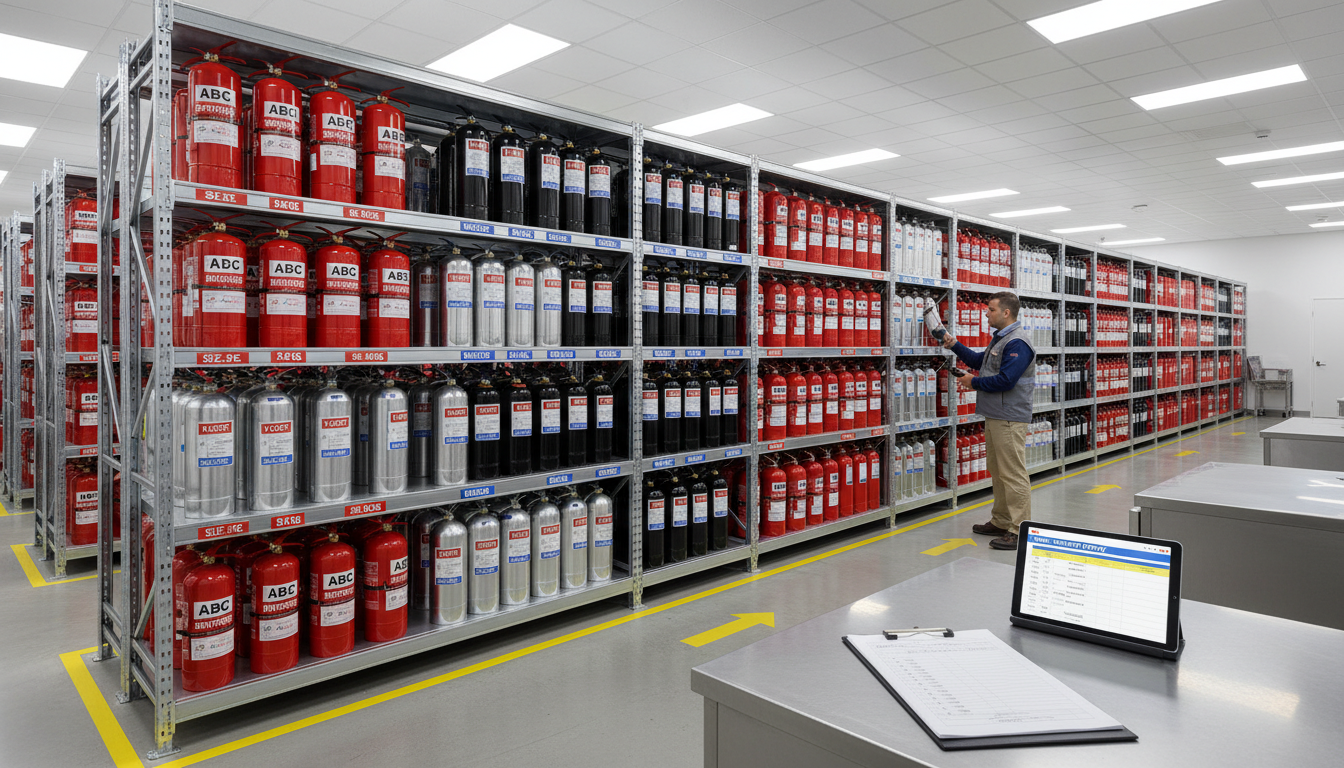
Ensure that your design includes proper ventilation and fire compartmentalization to prevent the spread of fire. Consider consulting with a fire safety engineer to enhance your warehouse’s safety features.
Environmental and Sustainability Considerations
In recent years, there has been an increased emphasis on sustainable construction practices. This involves minimizing the environmental impact through energy-efficient designs and the use of eco-friendly materials. Complying with environmental regulations not only helps in reducing carbon footprints but also enhances the long-term viability of the warehouse.

Consider incorporating solar panels, rainwater harvesting systems, and energy-efficient lighting to meet sustainability goals. These initiatives not only comply with regulations but can also reduce operational costs over time.
Ensuring Compliance with Accessibility Standards
Accessibility is another important aspect of warehouse construction regulations. The Disability Discrimination Act 1992 mandates that warehouses must be accessible to all individuals, including those with disabilities. This includes installing ramps, accessible restrooms, and clear signage throughout the facility.
Ensuring compliance with accessibility standards enhances the usability of the warehouse and demonstrates a commitment to inclusivity. Collaborate with accessibility consultants to incorporate best practices into your design.
Regularly Update Your Knowledge
Construction regulations are constantly evolving, with updates reflecting new safety standards and technological advancements. It is important to stay informed about these changes to maintain compliance and ensure that your warehouse remains up-to-date with current laws.
- Subscribe to industry newsletters and publications.
- Attend relevant workshops and seminars.
- Engage with professional networks and forums.
By keeping abreast of regulatory changes, you can adapt your construction practices accordingly and maintain a compliant, safe, and efficient warehouse facility.