
Expert Tips for Optimizing Warehouse Space in Australia


Understanding Your Warehouse Layout
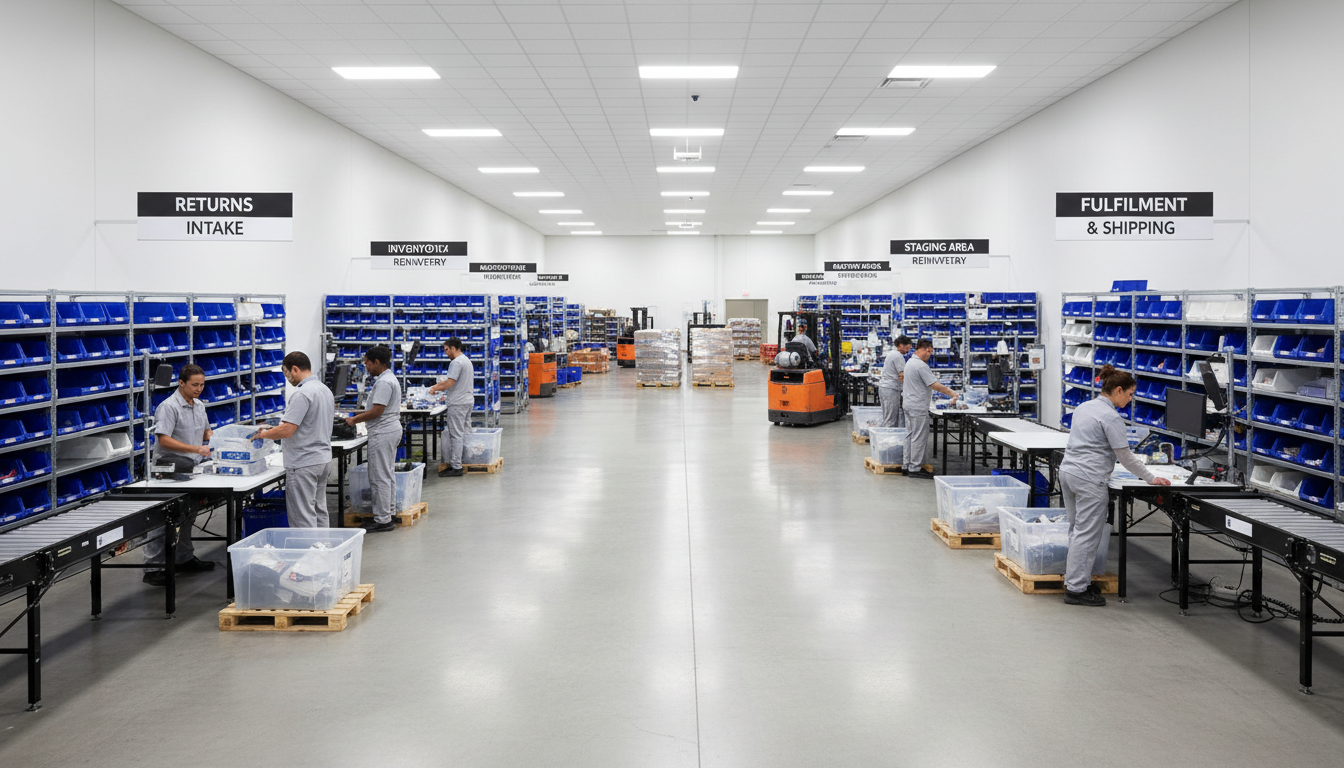
Optimizing warehouse space begins with a clear understanding of your current layout. Analyze the flow of goods from entry to exit and identify any bottlenecks that may be causing inefficiencies. Consider implementing a systematic approach to categorizing and storing products. This can significantly reduce the time spent searching for items, ultimately boosting productivity.
One popular method is the ABC analysis, which categorizes inventory based on importance and frequency of use. This approach helps in prioritizing space for high-demand items.
Implementing Vertical Storage Solutions
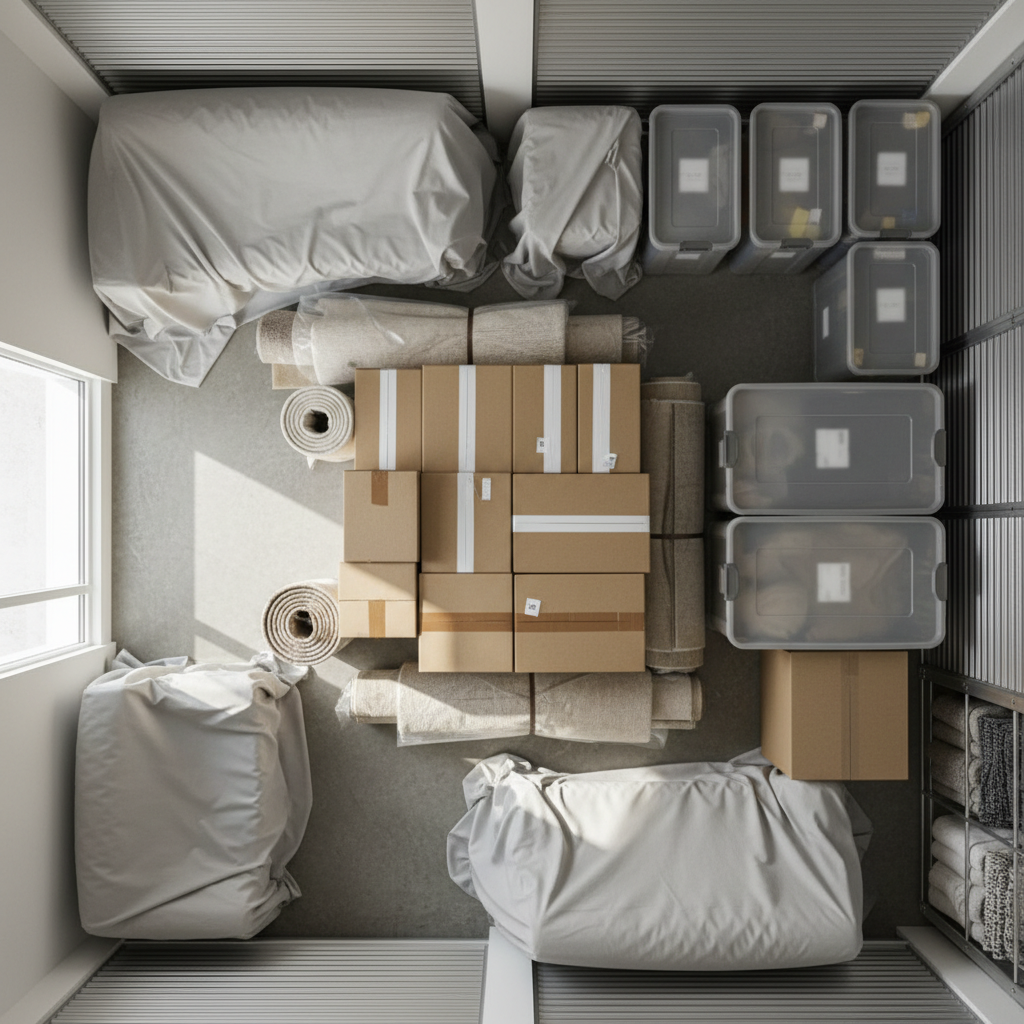
When floor space is limited, look upwards. Vertical storage solutions like shelving and racking systems can dramatically increase storage capacity without expanding the physical footprint. Consider installing adjustable racks to accommodate varying product sizes.
It's crucial to ensure that these systems comply with local safety regulations in Australia. Regular inspections and maintenance are necessary to prevent accidents and ensure the longevity of the storage structures.
Utilizing Technology for Inventory Management
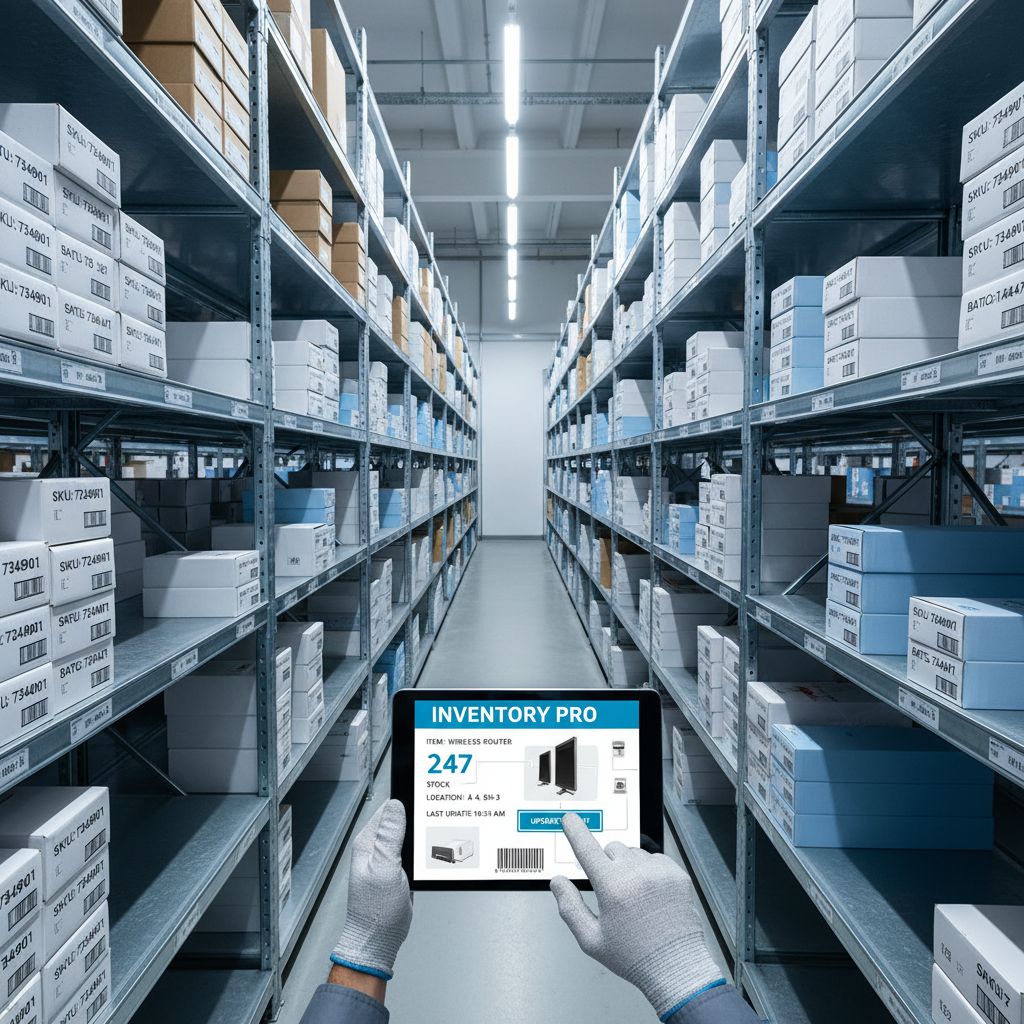
Incorporating technology into your inventory management can lead to more efficient space usage. Warehouse management systems (WMS) provide real-time data on inventory levels, helping you make informed decisions about stock placement and replenishment.
Automation tools, such as barcode scanning and RFID tags, further streamline the inventory process. These technologies reduce human error and improve the accuracy of stock records, allowing for better space optimization.
Optimizing Picking Paths
Efficient picking paths are essential for minimizing the time spent retrieving items. By analyzing order patterns, you can design optimal routes that reduce travel time and increase productivity. Cluster picking, where multiple orders are picked simultaneously, can also enhance efficiency.
Regularly reviewing and updating picking paths is important to adapt to changes in order volume and product mix. This ensures that your warehouse remains agile and responsive to business needs.
Embracing Sustainable Practices
Incorporating sustainable practices can also contribute to better space management. Practices such as recycling packaging materials and using energy-efficient lighting can free up space and reduce overhead costs. Additionally, optimizing transport routes within the warehouse can lower fuel consumption and emissions.
By focusing on sustainability, warehouses not only improve space utilization but also contribute positively to the environment.
Staff Training and Safety
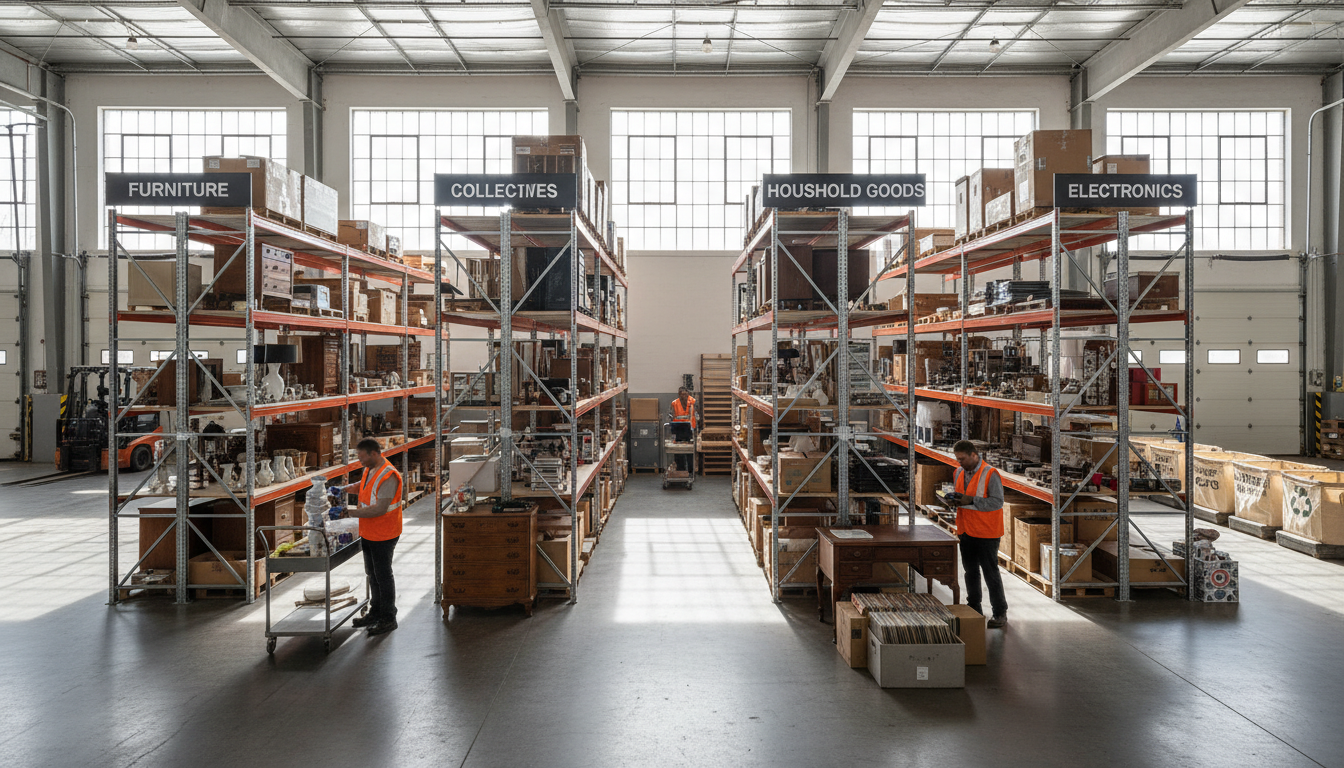
Well-trained staff are crucial to maintaining an organized and efficient warehouse. Regular training ensures that employees are familiar with best practices in space management and safety protocols. This not only enhances productivity but also minimizes the risk of accidents.
Investing in staff development can lead to a more motivated workforce, capable of identifying and implementing space-saving strategies effectively.
Conclusion
Optimizing warehouse space in Australia requires a combination of strategic planning, technological integration, and a commitment to ongoing improvement. By focusing on layout, vertical storage, technology, efficient picking, sustainability, and staff training, warehouses can maximize their operational efficiency and remain competitive in the market.