
Expert Tips for Efficient Industrial Warehouse Design


Designing an efficient industrial warehouse is a critical task that can significantly impact a business's operations. From layout to technology integration, every aspect must be carefully considered to optimize space, improve workflow, and reduce costs. Below are some expert tips to guide you in creating an effective warehouse design.
Understand Your Needs
Before diving into design specifics, it is essential to understand the unique requirements of your business. Consider factors such as storage needs, inventory turnover rates, and the types of products you handle. Tailoring the design to these elements ensures that the warehouse supports your operational goals.
Conduct a thorough analysis of your current operations. Identify bottlenecks and areas for improvement. This information is invaluable in creating a space that enhances productivity and efficiency.
Optimize Layout for Efficiency
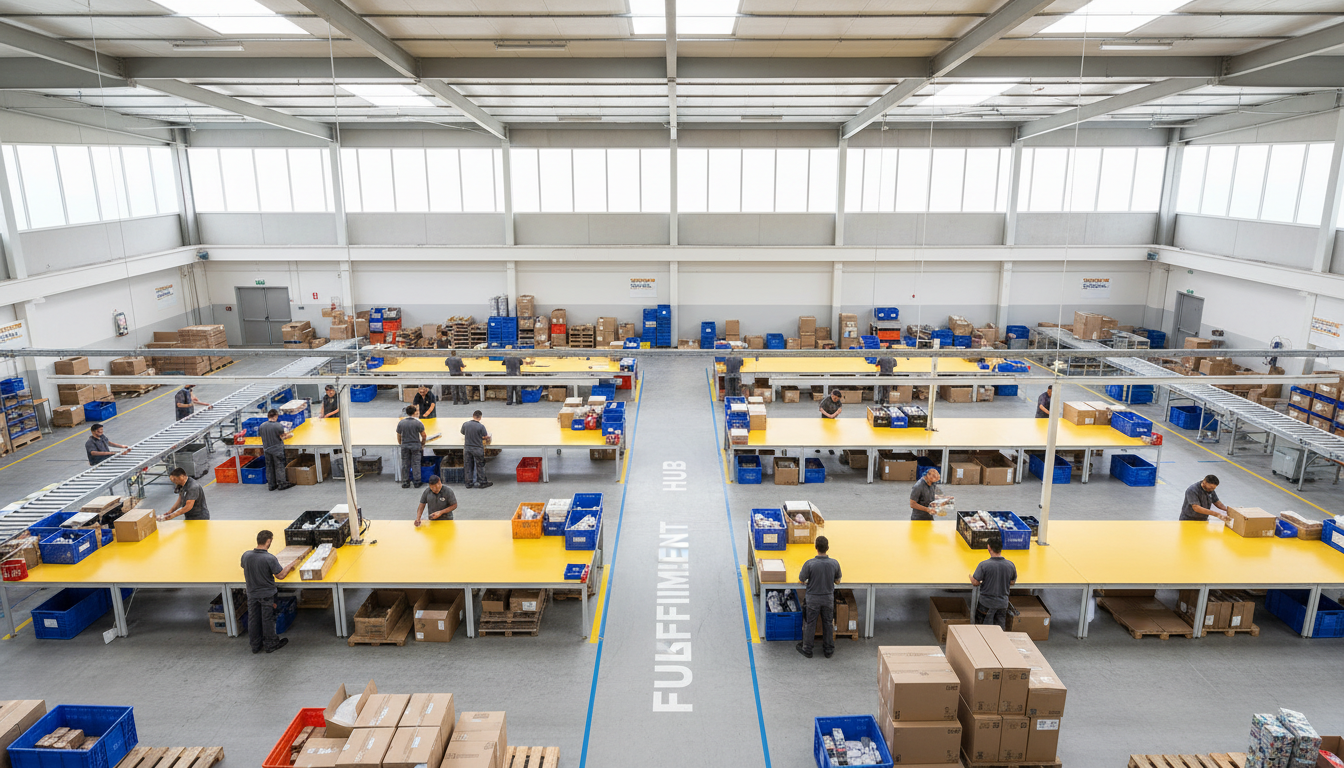
The layout of your warehouse plays a crucial role in its efficiency. A well-planned layout minimizes travel time for workers, reduces handling costs, and improves overall workflow. Use a logical flow that aligns with your processes, from receiving to shipping.
Consider Various Layout Options
There are several layout designs to choose from, such as U-shaped, I-shaped, or L-shaped. Each has its own advantages and can be tailored to fit the specific needs of your operation. U-shaped layouts, for example, are ideal for smaller spaces, while I-shaped layouts suit larger, high-traffic areas.
Incorporate Technology
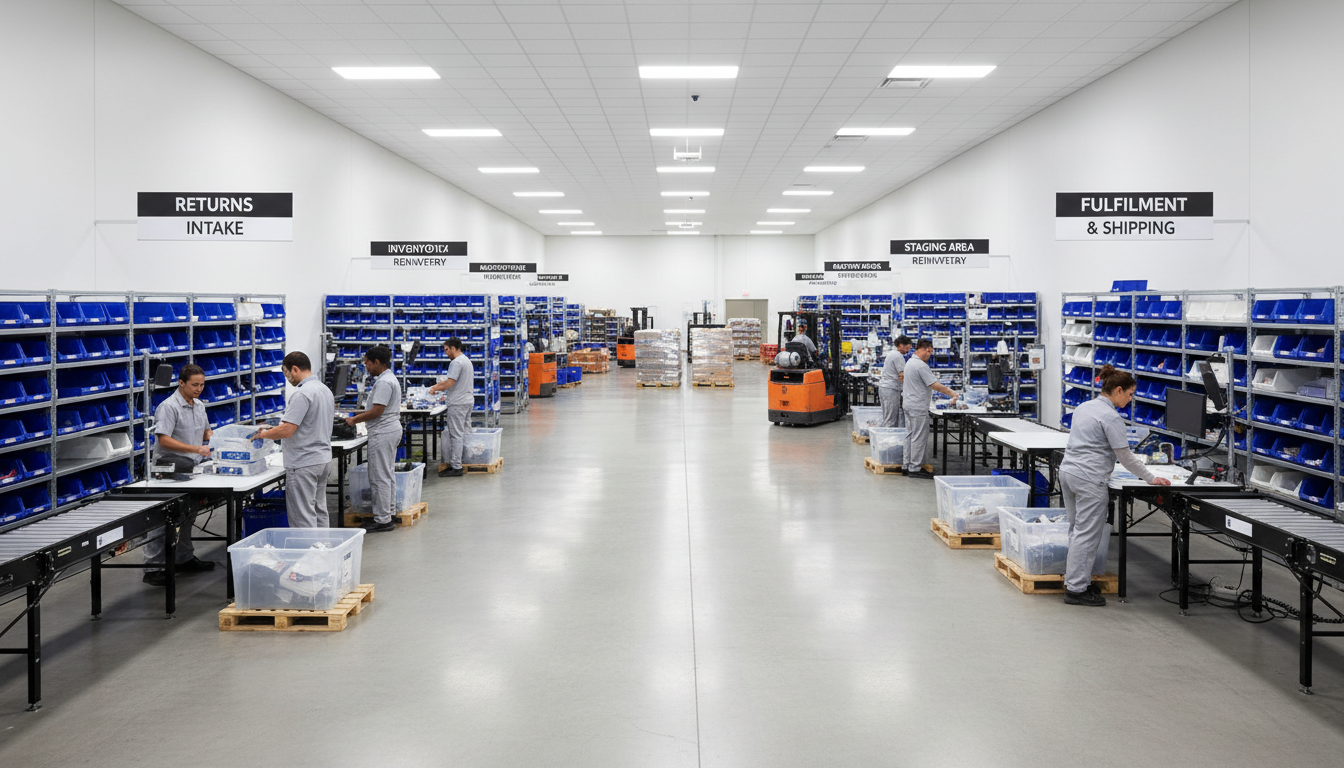
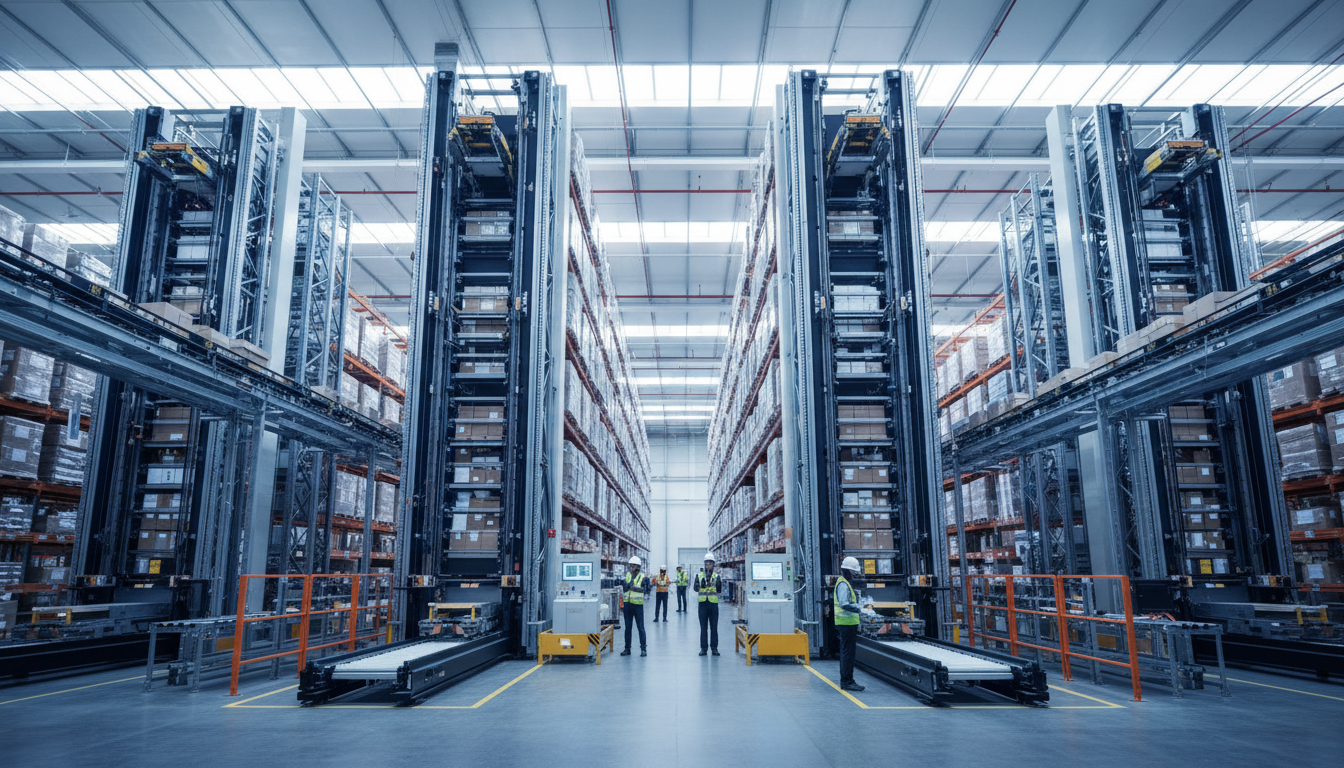
Technology is a vital component of modern warehouse design. Implementing warehouse management systems (WMS) can streamline operations, improve accuracy, and provide real-time data. Automated storage and retrieval systems (AS/RS) can further enhance efficiency by reducing the need for manual handling.
Embrace Automation
Consider incorporating automated solutions such as conveyor belts, robotics, and automated guided vehicles (AGVs). These technologies can significantly reduce labor costs and increase throughput, enabling you to handle more orders with fewer resources.
Focus on Safety and Compliance
An efficient warehouse design must also prioritize safety and compliance. Ensure that your design adheres to all relevant regulations and standards. Proper signage, safety barriers, and adequate lighting are essential components of a safe working environment.
Regularly review safety protocols and update them as necessary. Training employees on safety procedures and emergency response plans can further enhance safety and reduce the risk of accidents.
Plan for Future Growth
Finally, when designing your warehouse, consider your future needs. Flexible designs that allow for expansion and adaptation will save time and money in the long run. Consider scalable solutions that can grow with your business, ensuring that your warehouse remains efficient as your operations evolve.
By following these expert tips, you can create an industrial warehouse design that not only meets your current needs but also supports future growth and success.