
Expert Insights: Trends in Australian Warehouse Construction


Introduction to Warehouse Construction Trends
As the backbone of Australia's supply chain, warehouses are evolving rapidly to meet the demands of modern commerce. From embracing cutting-edge technologies to adopting sustainable practices, the construction of warehouses in Australia is undergoing a significant transformation. This blog post explores the latest trends shaping this dynamic industry.
In recent years, the demand for efficient and strategically located warehouses has surged. This growth is driven by the rise of e-commerce, requiring faster delivery times and improved logistics networks. As a result, warehouse construction is adapting to meet these new requirements.
Technological Advancements
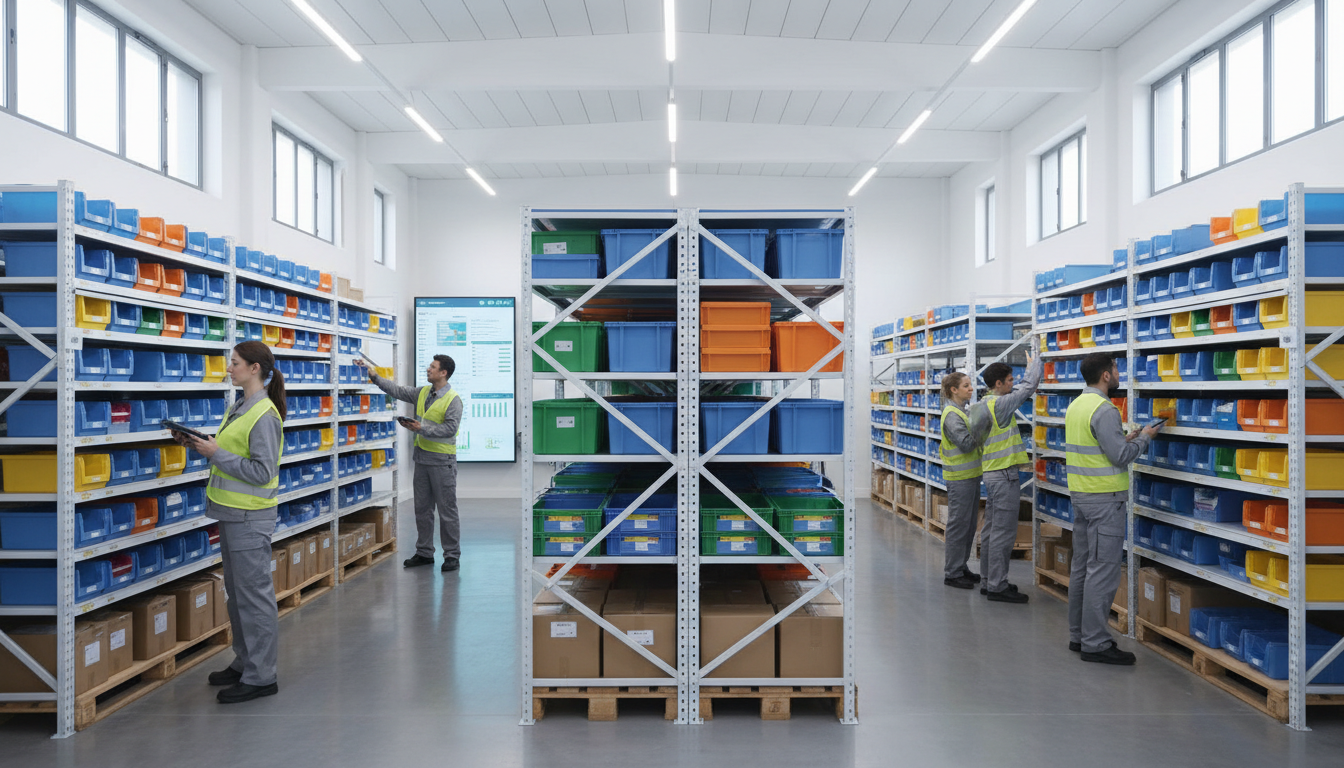
The integration of technology is revolutionizing warehouse construction in Australia. Automated systems, such as robotics and AI-driven processes, are becoming standard features in new warehouses. These technologies enhance operational efficiency and reduce labor costs while improving accuracy and throughput.
Moreover, smart building technologies are being implemented to optimize energy use and reduce emissions. Sensor networks, IoT devices, and data analytics are utilized to monitor and control various aspects of warehouse operations, leading to more sustainable and cost-effective solutions.
Automation and Robotics
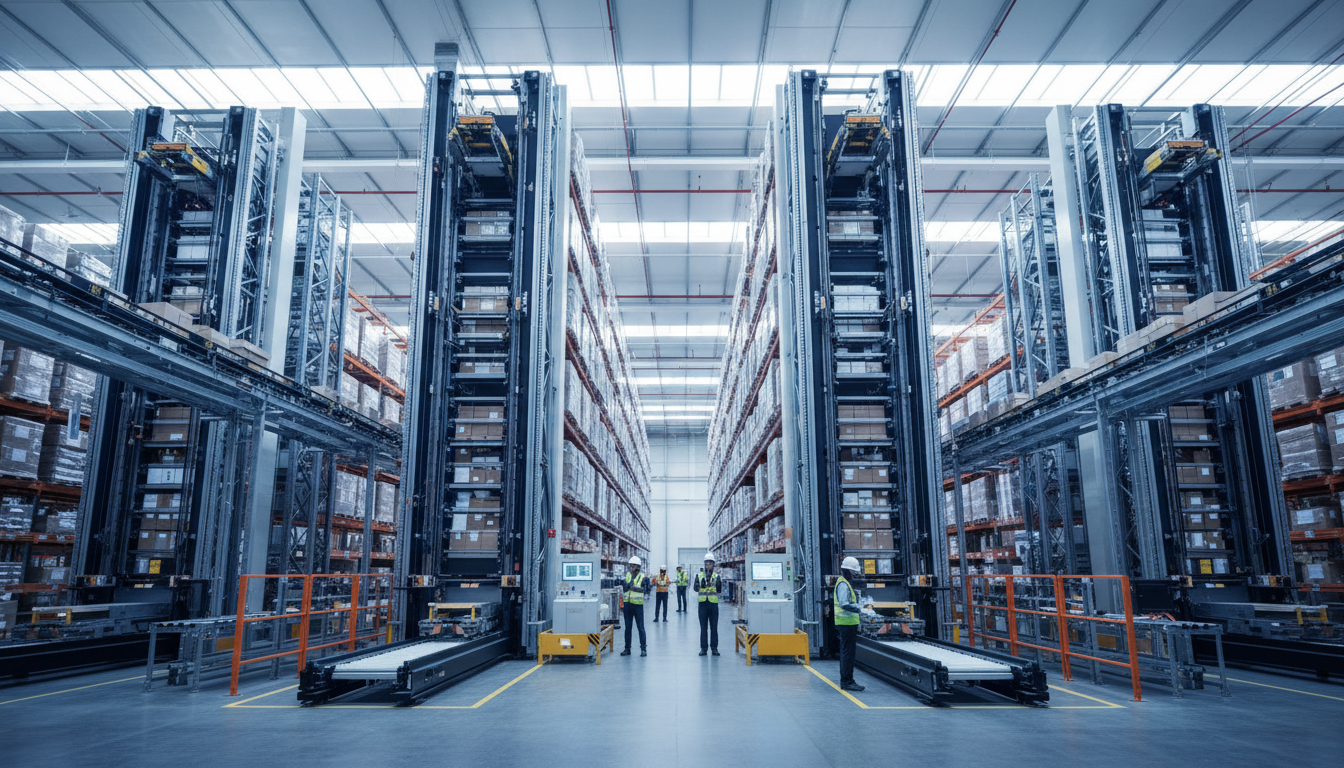
Automation is a key trend in the industry. Warehouses are increasingly using automated guided vehicles (AGVs) and robotic picking systems to streamline operations. These technologies not only increase productivity but also enhance safety by minimizing human intervention in hazardous tasks.
Sustainability in Construction
Sustainability is at the forefront of modern warehouse construction. Developers are focusing on using eco-friendly materials and energy-efficient designs to minimize environmental impact. Green building certifications, such as Green Star, are becoming a priority for new projects.
Solar panels, rainwater harvesting systems, and energy-efficient HVAC systems are commonly integrated into warehouse designs. These elements not only contribute to a reduced carbon footprint but also result in long-term cost savings.
Energy Efficiency
Energy efficiency is a critical consideration for new warehouses. LED lighting, natural ventilation, and high-performance insulation are widely used to reduce energy consumption. By implementing these measures, warehouses can significantly lower their operational costs and environmental impact.
Design and Location Considerations
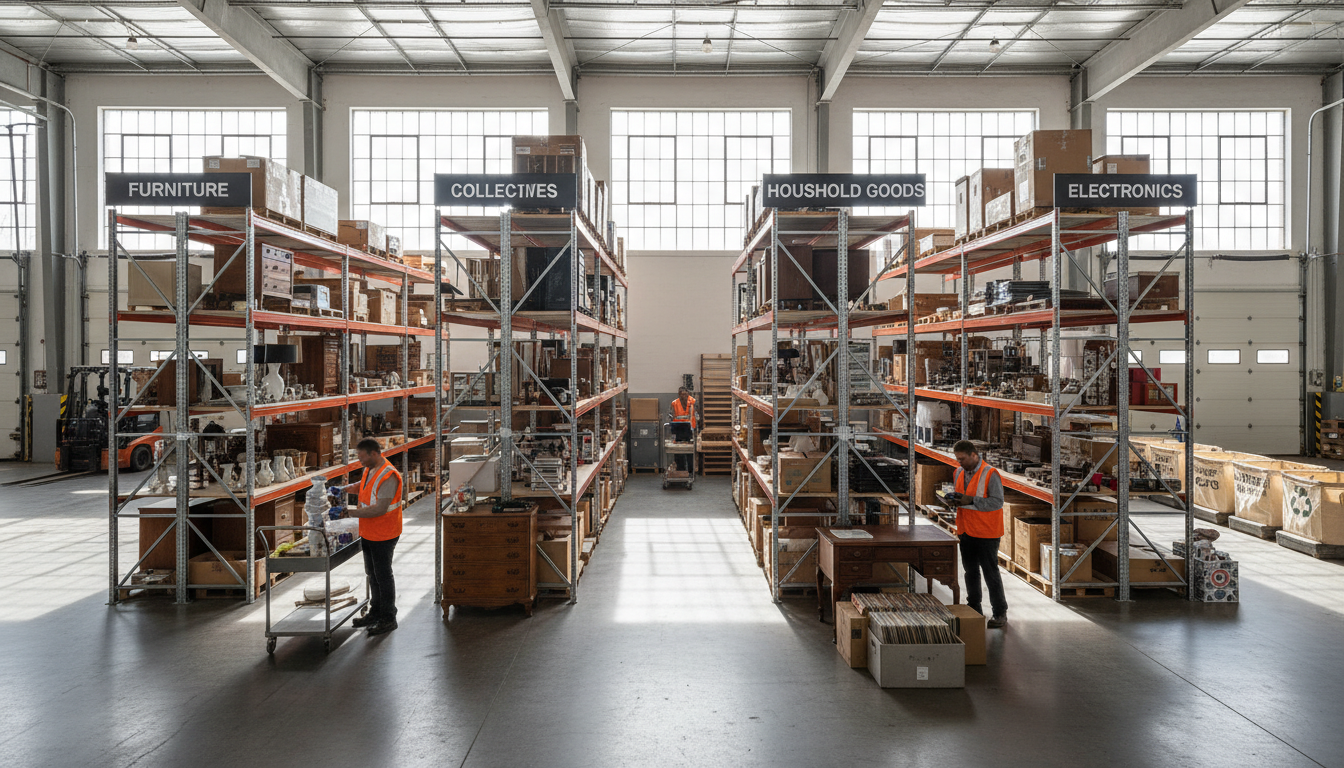
The design and location of warehouses are crucial factors that influence their functionality and efficiency. Modern warehouses are being constructed with flexible layouts to accommodate various operations and future expansions. High ceilings, wide aisles, and modular spaces are common features.
Strategic location is another essential aspect. Proximity to major transport routes, ports, and population centers ensures quick and efficient distribution. The rise of urban warehouses, closer to city centers, is a growing trend to meet the demand for same-day deliveries.
Urban Warehousing
Urban warehousing is gaining popularity as businesses seek to reduce delivery times and transportation costs. These warehouses are designed to fit compact urban environments while maintaining high efficiency and accessibility. This trend reflects the changing dynamics of consumer preferences and the need for rapid fulfillment.
Future Outlook
The future of warehouse construction in Australia looks promising, with continued innovation and adaptation to emerging technologies and environmental considerations. As consumer demands evolve, warehouses will need to remain flexible and responsive to maintain their competitive edge.
In summary, the trends in Australian warehouse construction are driven by a combination of technological advancements, sustainability priorities, and strategic design considerations. These elements are coming together to shape the future of logistics and supply chain management in the country.