
DIY Tips for Efficient Warehouse Layout Design


Understanding Your Warehouse Needs
Designing an efficient warehouse layout is crucial for productivity and cost-effectiveness. Before diving into the layout design, it's important to fully understand your warehouse needs. Consider the types of products you store, the volume of inventory, and the flow of operations. This understanding will guide your decisions and ensure your layout aligns with your business goals.
Start by analyzing your current operations. Identify bottlenecks, areas of waste, and any challenges your team faces. Engage with your staff to gather insights and suggestions. Their firsthand experience can provide valuable input for creating a more efficient layout.
Maximizing Space Utilization
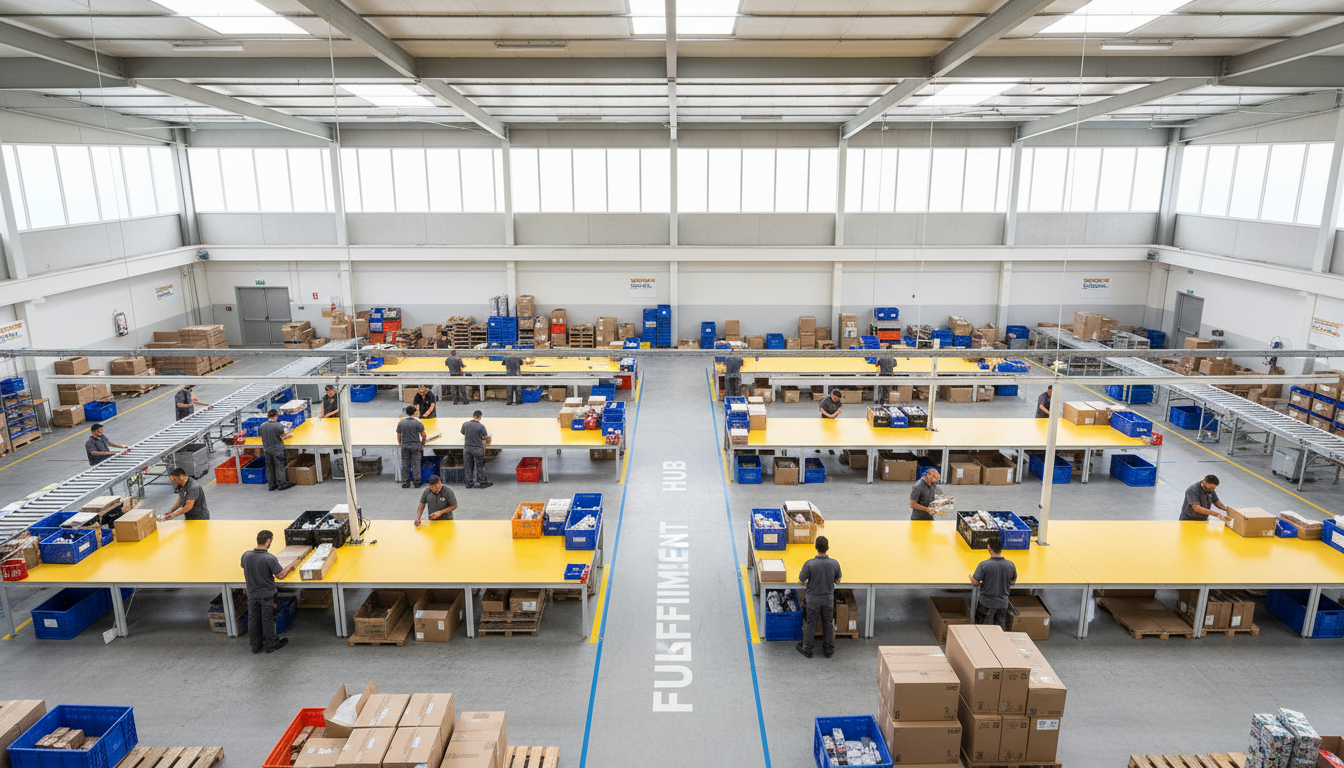
Space utilization is a critical factor in warehouse layout design. Aim to use every square foot effectively. Consider vertical storage solutions, such as high shelving or mezzanines, to make the most of your available space. This can help accommodate more inventory without expanding your warehouse footprint.
Implement a strategic racking system that suits your inventory type. For example, pallet racking is ideal for bulk storage, while shelving units work well for smaller items. Tailor your storage solutions to your specific needs to optimize space and streamline operations.
Organizing Inventory
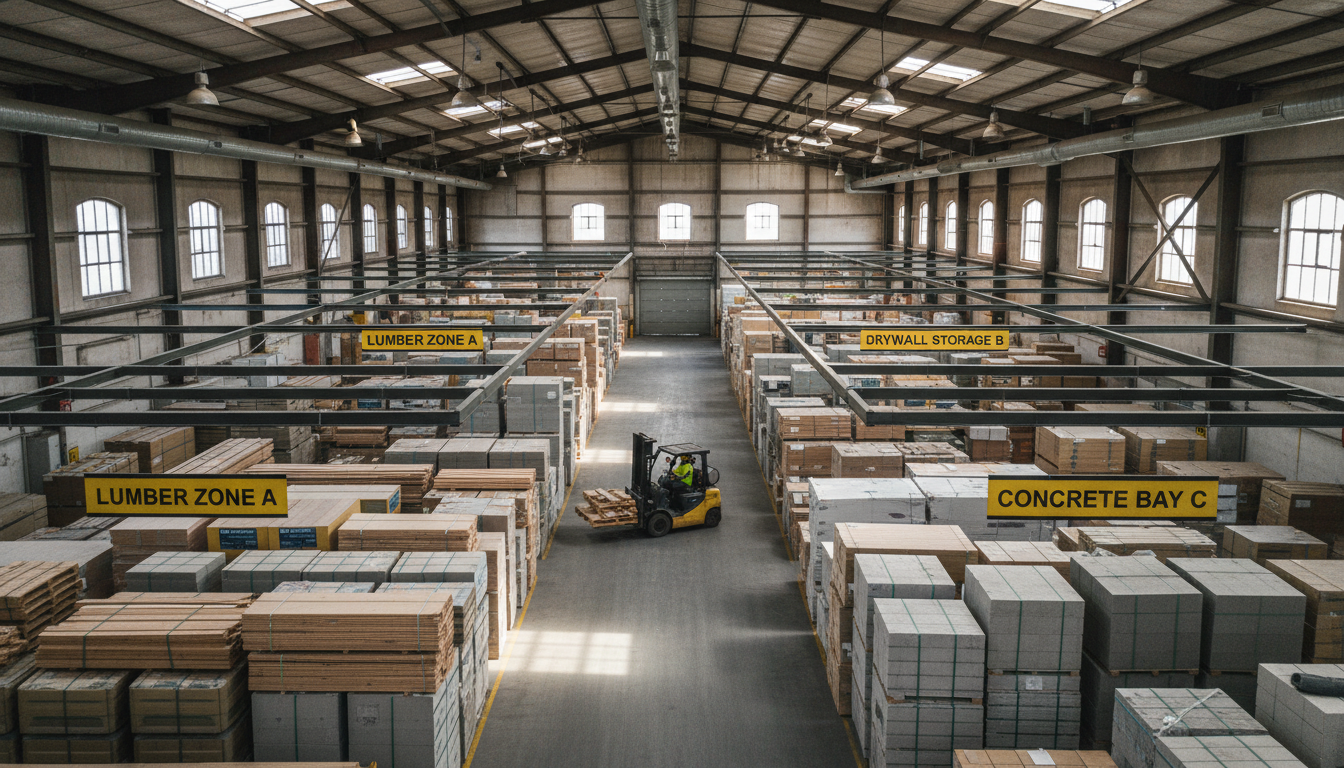
Effective inventory organization is key to a smooth-running warehouse. Group similar items together, and keep fast-moving products easily accessible. Using a systematic labeling and categorization system can further enhance efficiency. This reduces the time spent searching for items and minimizes errors in picking and packing.
Streamlining Workflow
A well-thought-out workflow is essential for operational efficiency. Design your layout to facilitate a seamless flow of goods, from receiving to shipping. This involves strategically placing key areas such as loading docks, storage zones, and packing stations.
Think about the movement of people and equipment in your warehouse. Ensure there are clear pathways and sufficient space for forklifts and other machinery. This not only boosts efficiency but also enhances safety for your staff.
Implementing Technology
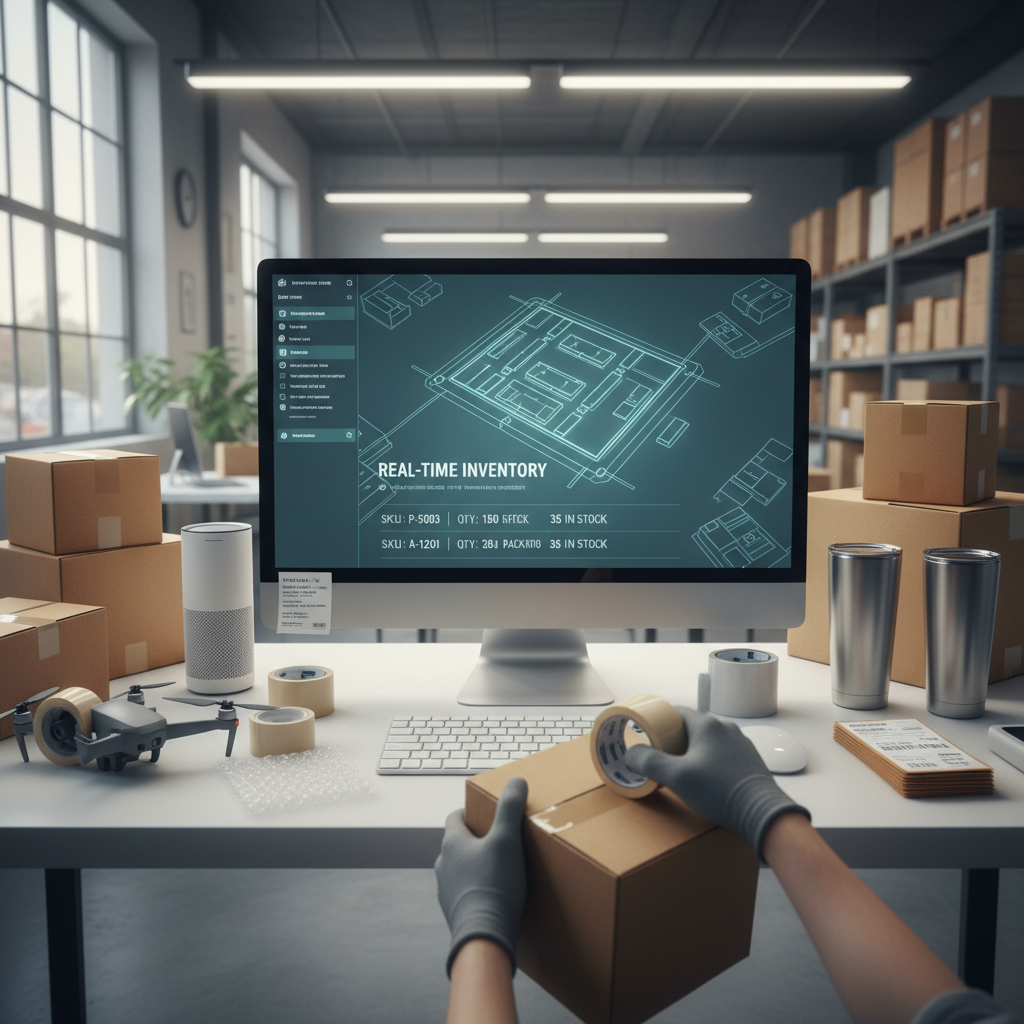
Leverage technology to enhance your warehouse layout. Implement warehouse management systems (WMS) to track inventory levels and streamline processes. Automation tools, such as conveyor belts and automated guided vehicles (AGVs), can further increase efficiency by reducing manual labor.
Planning for Future Growth
While it's essential to focus on current needs, don't overlook the importance of planning for future growth. Design a flexible layout that can adapt to changes in inventory volume or product type. This might involve creating modular storage solutions or allocating space for potential expansion.
Regularly review your warehouse layout and operations to identify areas for improvement. Continuous optimization ensures your warehouse remains efficient and capable of supporting your business as it evolves.
By following these DIY tips, you can design a warehouse layout that not only meets your current needs but also positions your business for long-term success. An efficient warehouse is a cornerstone of effective supply chain management, driving productivity and profitability.