
Comprehensive Guide to Industrial Warehouse Construction in Australia


Understanding the Basics of Industrial Warehouse Construction
Constructing an industrial warehouse in Australia requires careful planning and a deep understanding of various regulations and standards. These warehouses are essential for logistics, manufacturing, and storage, providing the backbone for many industries. Before starting construction, it's crucial to determine the specific needs of your business to tailor the design accordingly.
Site Selection and Preparation
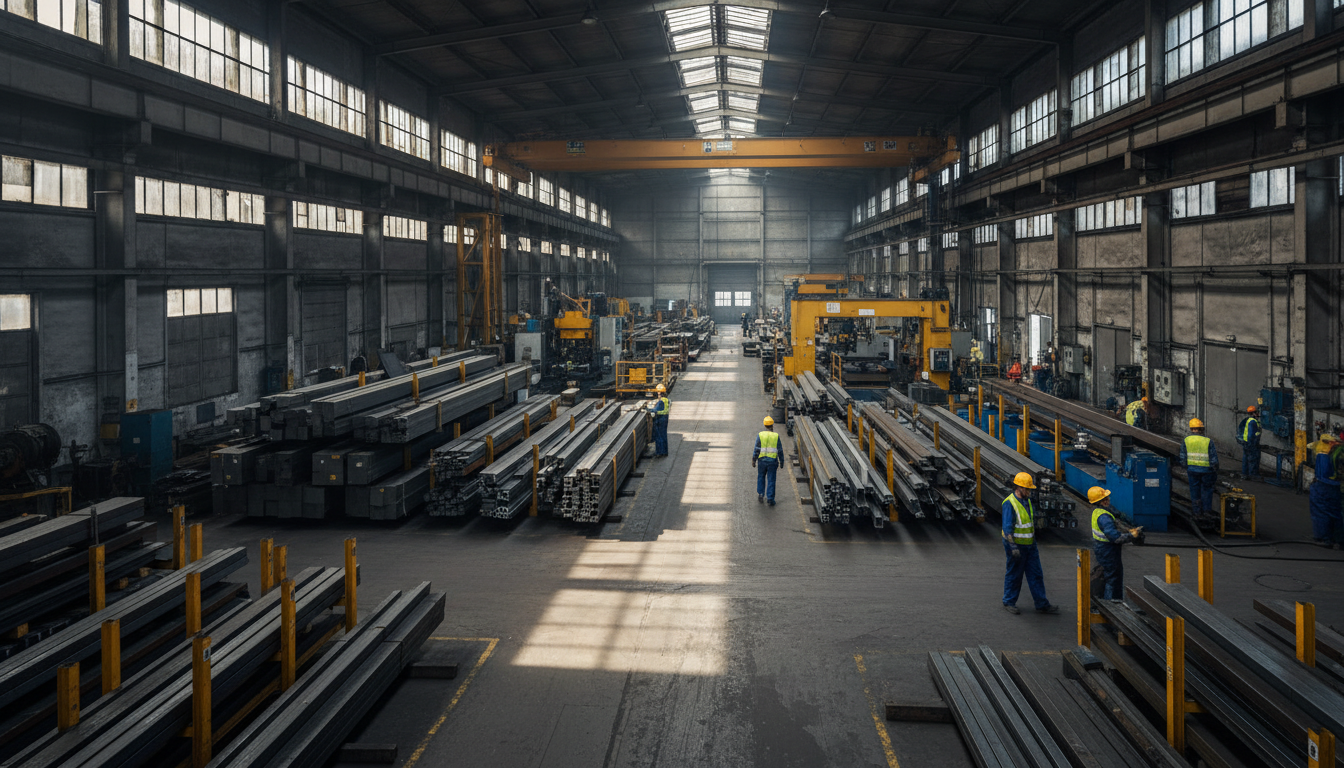
The location of a warehouse significantly impacts its operational efficiency. Consider factors such as proximity to transportation hubs, accessibility for large vehicles, and local zoning laws. Once a site is selected, thorough preparation is needed. This includes land clearing, grading, and ensuring proper drainage systems are in place to prevent future structural issues.
Design and Layout Considerations
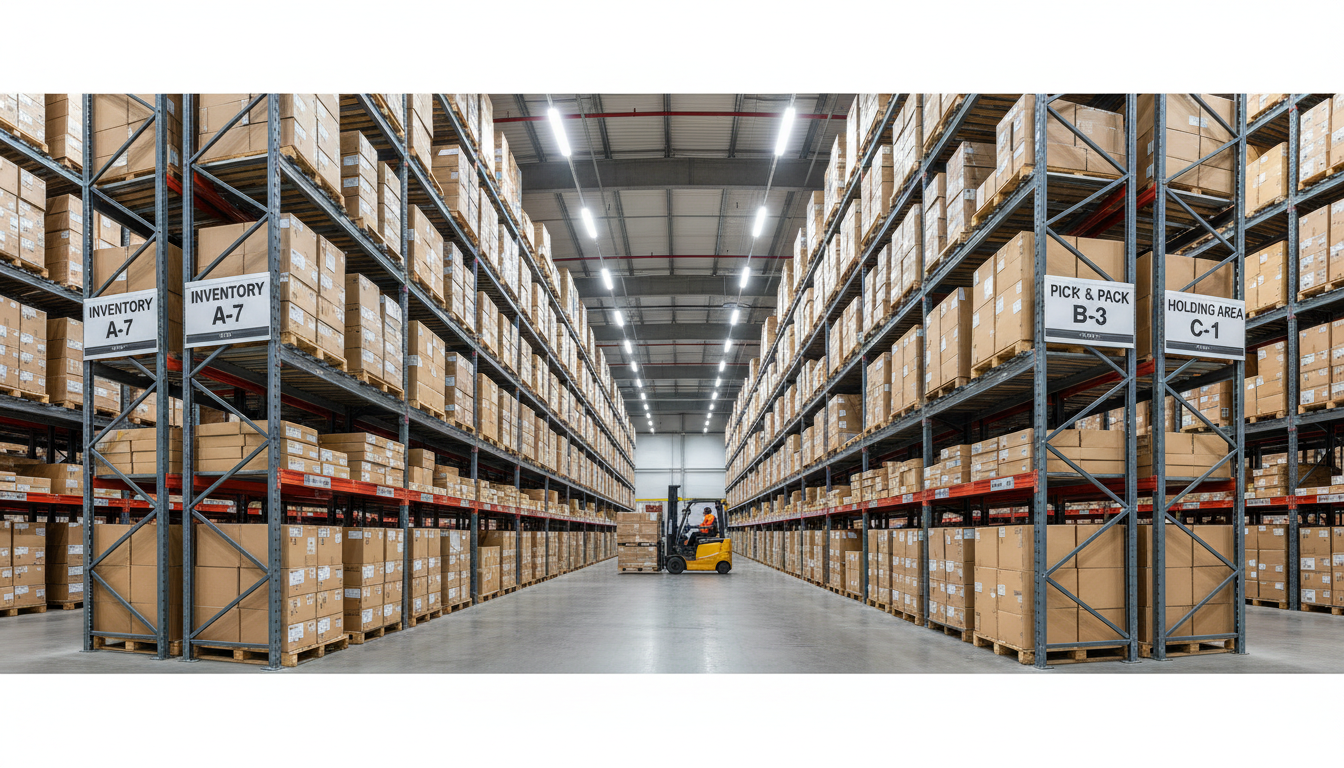
A well-thought-out design is vital for optimal workflow and storage capacity. Focus on aspects like ceiling height, floor load capacity, and column spacing. Incorporating energy-efficient solutions such as LED lighting and solar panels can also reduce long-term operational costs. Engage with architects and industrial engineers to create a layout that maximizes efficiency and safety.
Compliance with Australian Standards
Compliance with local building codes and national standards is mandatory. In Australia, warehouses must adhere to the Building Code of Australia (BCA) and specific safety regulations. It's essential to conduct regular audits and inspections to ensure ongoing compliance. Failing to meet these standards can lead to costly fines and operational delays.
Eco-Friendly and Sustainable Practices
Incorporating sustainable practices in warehouse construction is increasingly important. Consider using recycled materials and implementing rainwater harvesting systems. Sustainable design not only benefits the environment but can also enhance your company's reputation and reduce operating costs over time.
The Role of Technology in Modern Warehousing
Technology plays a crucial role in modern warehouse operations. Implementing automated systems like RFID tracking and automated storage and retrieval systems (AS/RS) can streamline processes and improve accuracy. Moreover, advanced security systems, including surveillance cameras and access control systems, are vital for ensuring the safety of goods and personnel.
Project Management and Execution
Effective project management is key to the successful completion of a warehouse construction project. Develop a comprehensive plan that includes timelines, budget estimates, and resource allocation. Regularly monitor progress and make adjustments as necessary to stay on track and within budget.
Conclusion: Building for the Future
Constructing an industrial warehouse in Australia involves navigating a complex landscape of regulations, design considerations, and technological advancements. By prioritizing site selection, sustainable practices, and compliance, businesses can create warehouses that are not only functional but also efficient and future-ready. A well-constructed warehouse is an investment in the future, supporting business growth and adaptation to changing market demands.
