
Comprehensive Guide to Industrial Warehouse Construction in Australia


Understanding the Basics of Industrial Warehouse Construction
Industrial warehouse construction in Australia is a complex process that involves multiple stages, from planning and design to completion. It's essential to understand the specific requirements and regulations that apply to warehouse construction to ensure a successful project. This guide will walk you through the key aspects of building an industrial warehouse, focusing on the Australian context.
Planning and Design
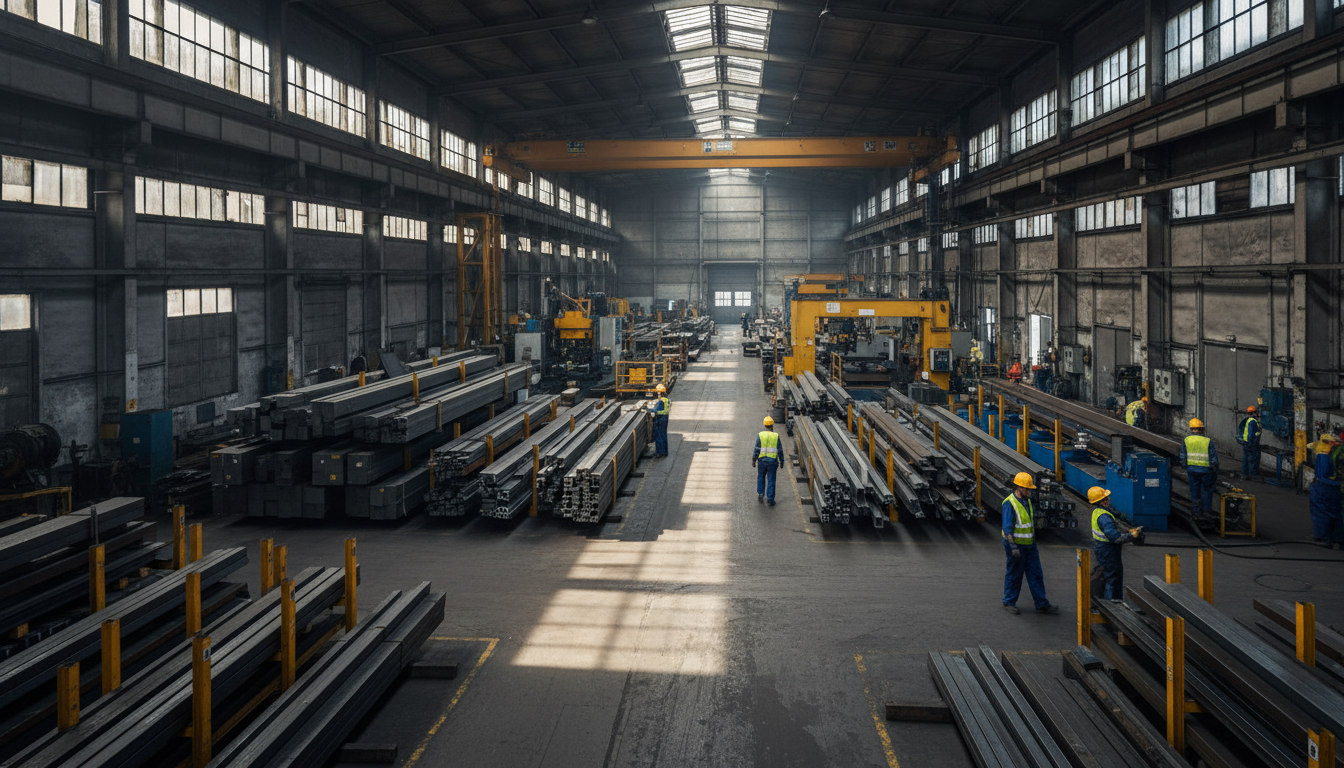
The planning and design phase is crucial in determining the warehouse's operational efficiency and scalability. Considerations include the site location, size, and layout, as well as zoning laws and environmental regulations. Engaging with experienced architects and engineers is vital to create a design that meets both functional needs and compliance standards.
Modern warehouses are increasingly incorporating sustainability into their designs. Features such as energy-efficient lighting, solar panels, and rainwater harvesting systems can significantly reduce operational costs and environmental impact.
Materials and Construction Techniques
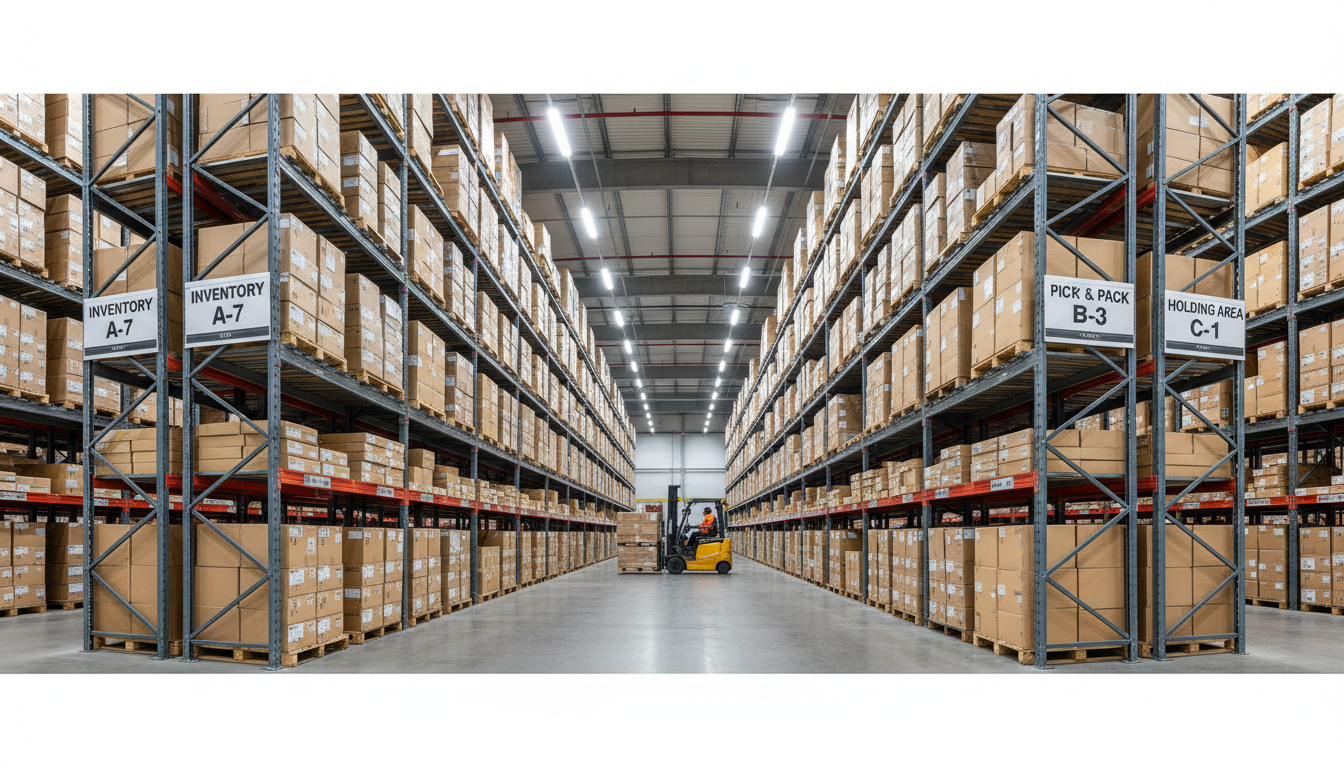
Choosing the right materials and construction techniques is essential for durability and cost-effectiveness. Steel is a popular choice due to its strength and flexibility, while concrete offers excellent insulation and fire resistance. The selection will depend on budget, climate, and specific warehouse requirements.
Advanced construction techniques, such as modular building, can also provide benefits by reducing construction time and minimizing site disruption. These methods are becoming more prevalent in Australia as they offer a balance of speed and quality.
Regulatory Compliance
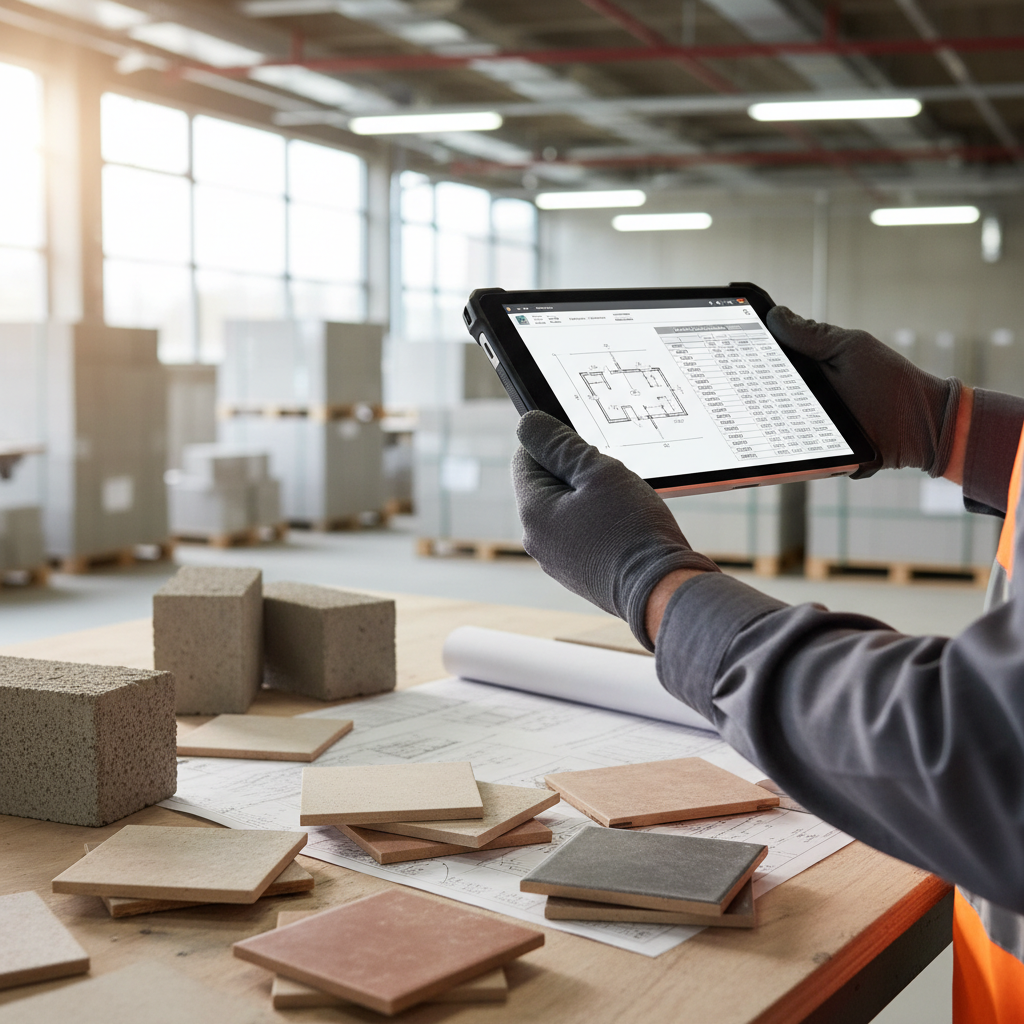
Compliance with Australian building codes and regulations is non-negotiable. This includes adherence to the Building Code of Australia (BCA) and occupational health and safety standards. Regular inspections and certifications are required throughout the construction process to ensure compliance.
Fire safety is another critical consideration. Warehouses must have adequate fire protection systems, including sprinklers and fire-resistant materials, to protect both the structure and its contents.
Cost Considerations
The cost of constructing an industrial warehouse can vary significantly based on factors such as location, size, materials, and complexity. It's essential to establish a detailed budget that considers all aspects of the project, including unforeseen expenses.
- Site preparation and groundwork
- Material and labor costs
- Permits and inspections
- Contingency funds

Future-Proofing Your Warehouse
As technology evolves, so do the needs of industrial warehouses. Future-proofing your warehouse ensures it can adapt to changing demands. Consider incorporating smart technology, such as automated inventory systems and IoT devices, to enhance efficiency and scalability.
Additionally, planning for potential expansions or modifications can save time and money in the long run. Flexible design and infrastructure allow your warehouse to grow alongside your business.

Conclusion
Building an industrial warehouse in Australia is a significant investment that requires careful planning and execution. By understanding the key aspects of design, materials, compliance, and cost, you can create a warehouse that meets your business needs and stands the test of time. Whether you're expanding your operations or starting anew, this comprehensive guide is your first step towards a successful warehouse project.