
Comprehensive Guide to Industrial Warehouse Construction


Industrial warehouse construction is a crucial component of supply chain management. As businesses grow, the need for well-designed, efficient warehouses becomes increasingly important. Whether you’re expanding your current operations or starting from scratch, understanding the construction process is key to success.
The journey begins with thorough planning and site selection. Choosing the right location is vital for operational efficiency. Consider accessibility to transportation networks, proximity to suppliers, and future expansion possibilities. A well-chosen site can significantly reduce logistics costs and improve service delivery.

Design and Layout
The design and layout of an industrial warehouse play a significant role in its functionality. Key considerations include the type of goods stored, storage systems, and workflow efficiency. A well-thought-out design can increase storage capacity and facilitate smooth operations.
Storage Solutions
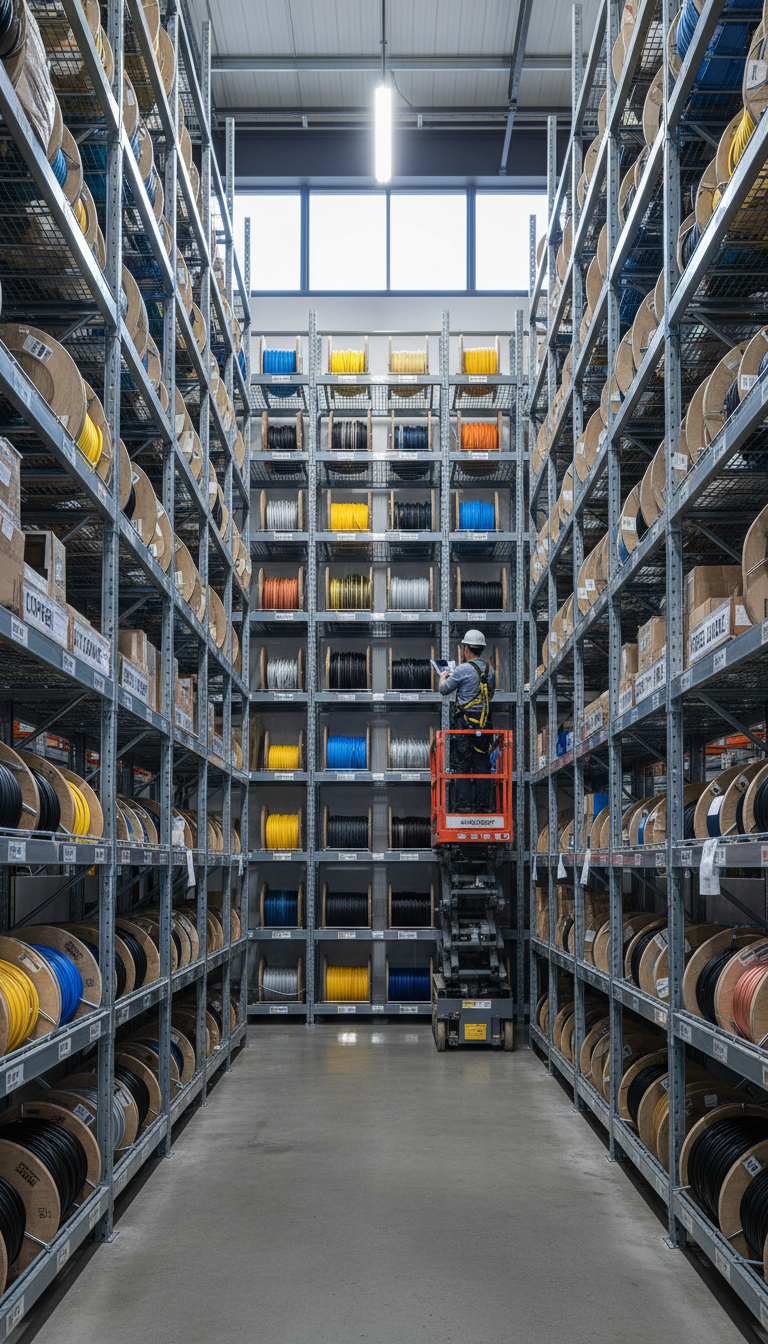
Choosing the right storage solutions is essential. Options range from pallet racking systems to automated storage and retrieval systems (ASRS). The choice depends on the nature of the goods, turnover rate, and handling equipment. Implementing the right system can optimize space and improve inventory management.
Construction Materials and Techniques
The choice of materials and construction techniques impacts the durability and cost of the warehouse. Steel and concrete are popular choices due to their strength and longevity. Prefabricated structures are also gaining popularity for their speed of assembly and cost-effectiveness.
Sustainability Considerations
Incorporating sustainability into construction is becoming increasingly important. Use of eco-friendly materials, energy-efficient lighting, and renewable energy sources can reduce operational costs and environmental impact. Sustainable design not only benefits the planet but can also enhance a company’s reputation.
Regulatory Compliance
Compliance with local building codes and regulations is non-negotiable. These regulations ensure the safety and structural integrity of the warehouse. It’s essential to work with experienced contractors familiar with local laws to avoid costly delays and fines.
Health and Safety
Safety is paramount in warehouse construction. Implementing proper safety measures during construction and ensuring the facility complies with safety standards can prevent accidents and protect workers. This includes proper ventilation, fire safety systems, and emergency exits.
In conclusion, constructing an industrial warehouse is a complex process that requires careful planning and execution. By focusing on strategic site selection, efficient design, sustainable practices, and regulatory compliance, businesses can build warehouses that support their growth and operational needs.