Comprehensive Guide to Industrial Warehouse Construction


Understanding the Basics of Industrial Warehouse Construction
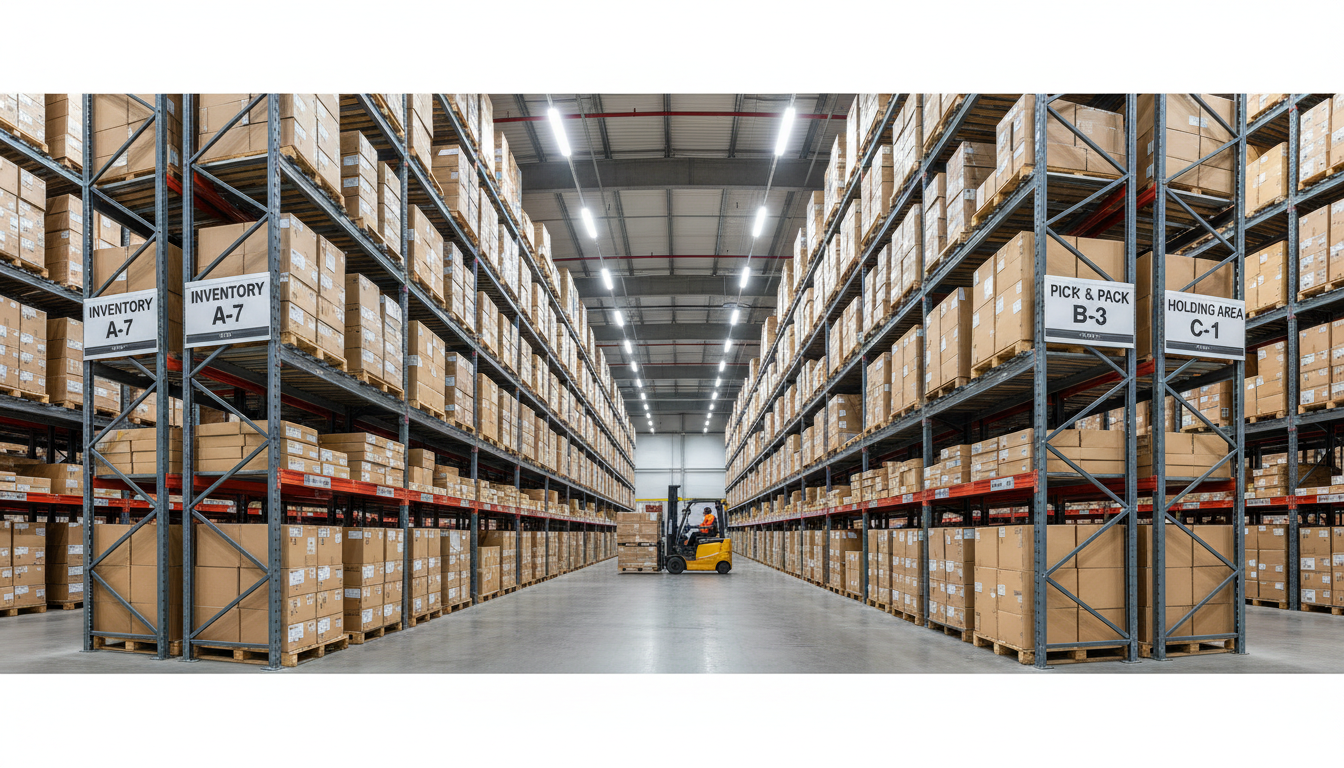
Industrial warehouse construction is a multifaceted process that requires careful planning and execution. These structures are vital for businesses that need to store goods, equipment, and materials. The construction process involves several key stages, from site selection to final inspection.
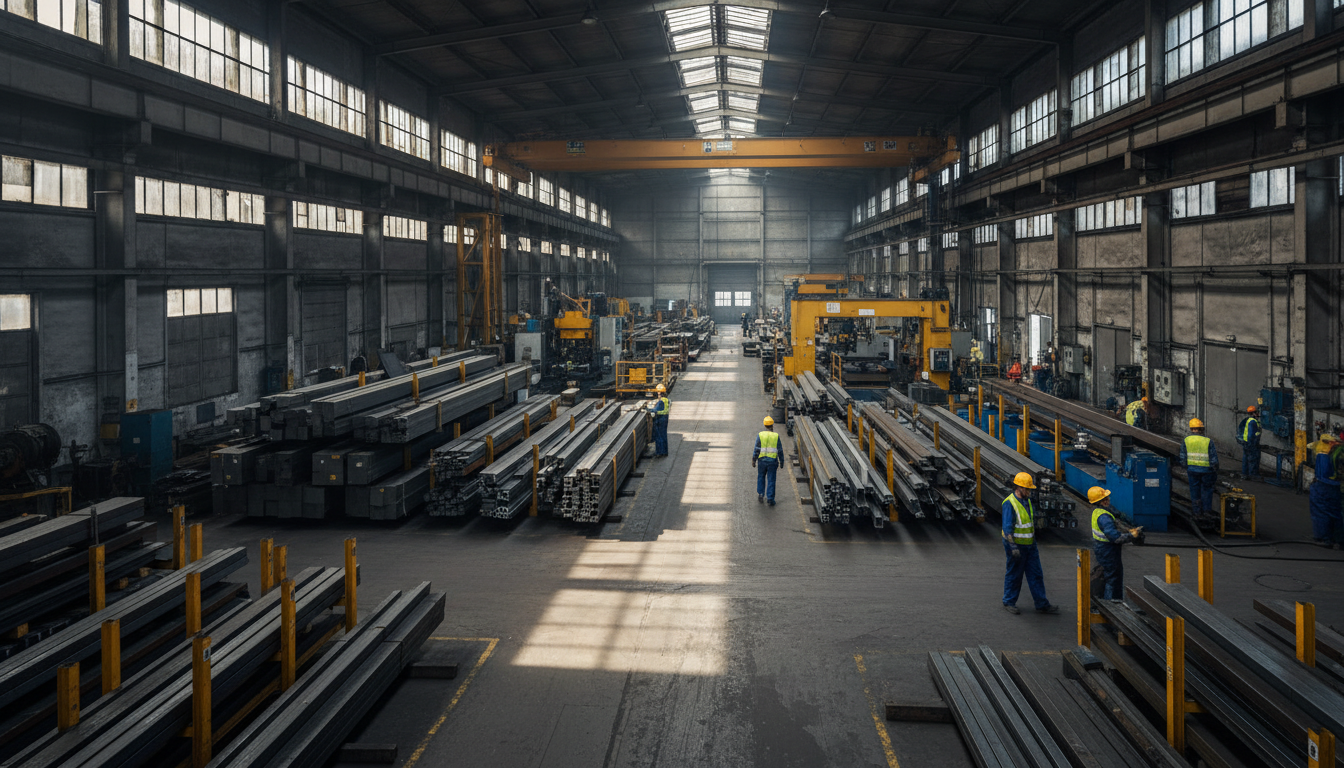
It's crucial to understand the specific requirements of the intended use. Whether it's for storing perishable goods or heavy machinery, the warehouse's design must align with operational needs. Additionally, regulatory compliance with local zoning laws and building codes is essential.
Site Selection and Planning
The first step in constructing an industrial warehouse is selecting an appropriate site. Factors such as proximity to transportation hubs, accessibility, and available utilities play a significant role in this decision. It's also important to conduct a thorough site assessment to identify any environmental concerns.
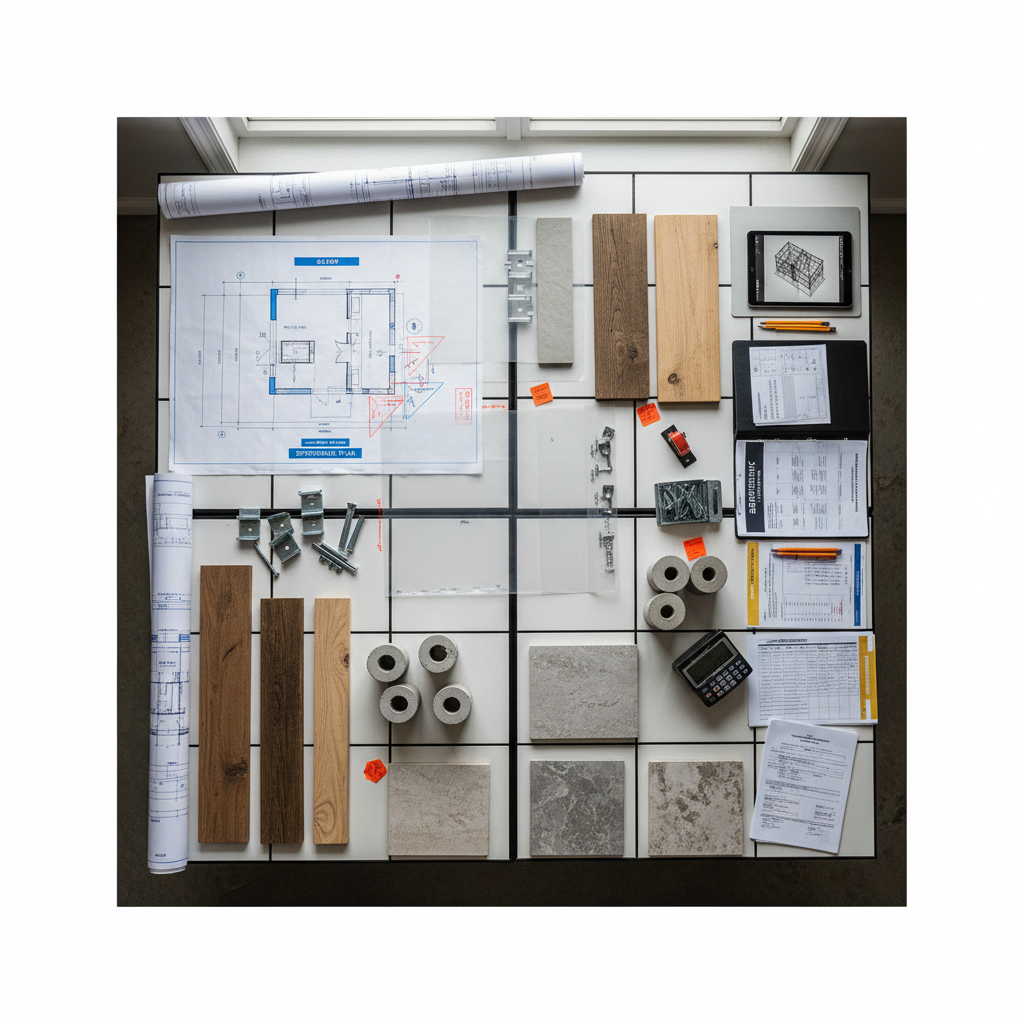
During the planning phase, collaboration with architects and engineers is necessary to ensure that the design meets both functional and aesthetic requirements. This stage involves creating detailed blueprints and obtaining necessary permits from local authorities.
Design and Structural Considerations
A well-designed warehouse maximizes space efficiency while ensuring safety and durability. Key design elements include floor load capacity, ceiling height, and the incorporation of loading docks. Modern warehouses often integrate advanced technologies like automated storage and retrieval systems (AS/RS).
Structural considerations are also paramount. The choice of materials, such as steel or reinforced concrete, impacts both the cost and longevity of the building. Attention must be paid to insulation, ventilation, and lighting to create an energy-efficient environment.
Construction Phase
Once the design is finalized, the construction phase begins. This involves site preparation, foundation laying, and the erection of the main structure. It's a stage that requires precision and adherence to the planned schedule to avoid delays and cost overruns.
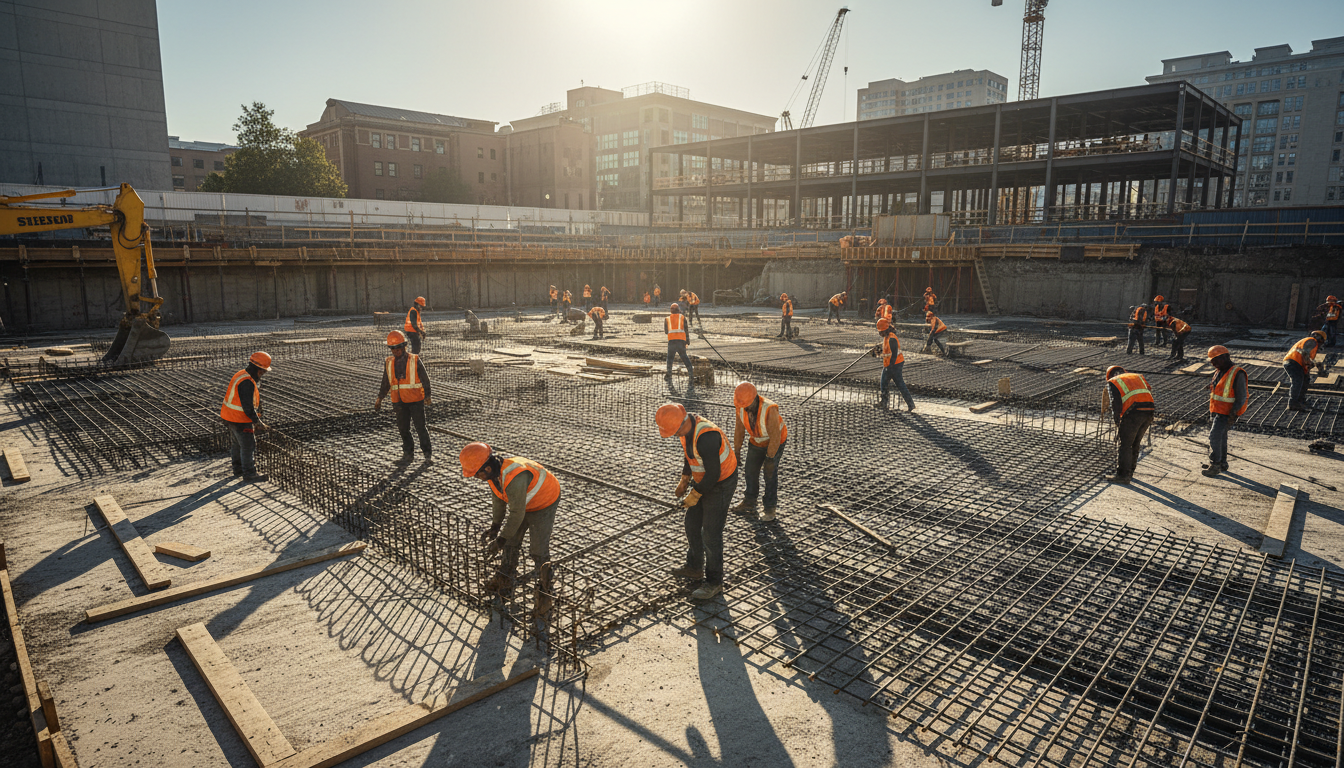
Regular inspections during construction ensure that the work adheres to the design specifications and quality standards. Safety is a top priority, and contractors must comply with occupational health and safety regulations.
Final Touches and Inspection
After the main construction work is completed, the focus shifts to the interior setup. This includes installing necessary equipment, shelving, and office spaces if required. It's crucial to conduct a thorough final inspection to ensure everything is in place and functioning correctly.
Once completed, the warehouse should be ready for operational use. This involves setting up logistical systems and staff training to ensure a smooth transition into daily operations. A well-constructed warehouse can significantly enhance a company's efficiency and productivity.