
Comprehensive Guide to Designing Industrial Warehouses in Australia


Understanding the Essentials of Industrial Warehouse Design
Designing an industrial warehouse in Australia involves a comprehensive approach that combines functionality, compliance, and efficiency. Given the unique needs of different industries, a well-planned warehouse can significantly impact productivity and operational success. Understanding the essential elements is the first step toward creating a space that meets both current and future demands.
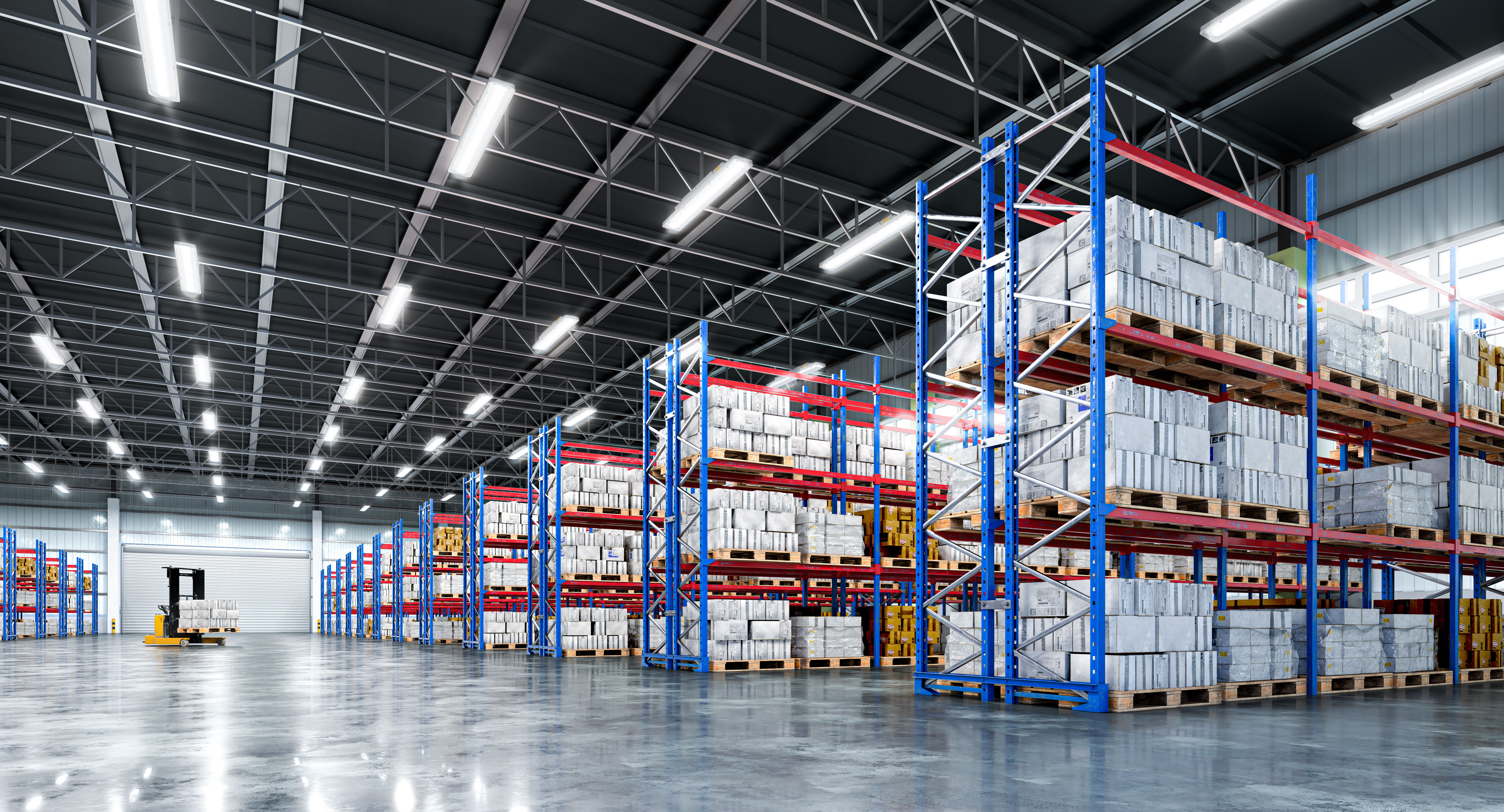
First and foremost, it is crucial to consider the location. Proximity to transportation hubs, accessibility to major roads, and the availability of utilities are key factors. A strategically located warehouse can reduce transportation costs and enhance supply chain efficiency.
Space Planning and Layout
Effective space planning is vital when designing a warehouse. Consider the types of goods stored, their turnover rates, and the equipment required for handling. A well-organized layout optimizes the use of space and ensures smooth workflow. Implementing flexible racking systems and efficient aisle configurations can accommodate future growth and changes in inventory.

Additionally, integrating technology such as warehouse management systems (WMS) can streamline operations. These systems provide real-time data, which aids in inventory management and reduces human error.
Compliance with Australian Standards
Compliance with local regulations and standards is another critical aspect. In Australia, warehouses must adhere to specific safety and environmental guidelines. This includes fire safety measures, adequate ventilation, and sustainable building practices. Ensuring compliance not only safeguards employees but also minimizes legal risks.

Employing energy-efficient designs, such as LED lighting and solar panels, can also contribute to sustainability goals while reducing operational costs.
Incorporating Technology and Automation
Modern warehouses are increasingly reliant on technology and automation. Implementing automated storage and retrieval systems (AS/RS) can enhance efficiency, accuracy, and speed. These technologies also reduce manual labor requirements, allowing for better allocation of human resources.
Consider integrating Internet of Things (IoT) devices for real-time tracking and monitoring. These devices provide valuable insights into operational efficiency and equipment maintenance needs.
Future-Proofing Your Warehouse Design
Lastly, future-proofing your warehouse design is essential to accommodate evolving business requirements. This involves designing flexible spaces that can be adjusted for different uses. Incorporating modular design elements and scalable infrastructure ensures that the warehouse can adapt to technological advancements and market changes.
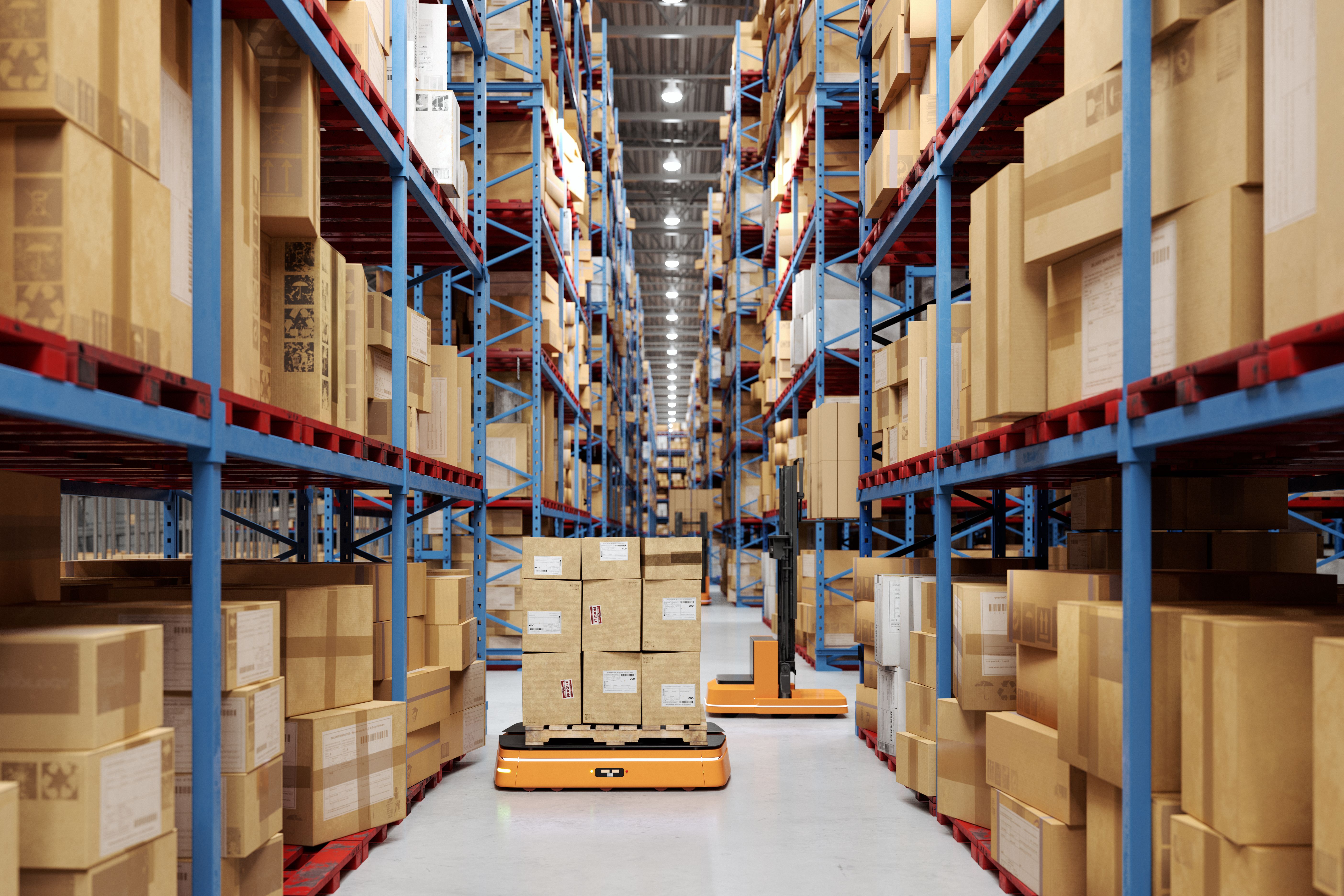
In conclusion, designing an industrial warehouse in Australia requires a strategic approach that balances functionality, compliance, and innovation. By considering these factors, businesses can create spaces that not only meet their current needs but also prepare them for future challenges.