
Comprehensive Guide to Building Industrial Warehouses: Key Considerations


Building an industrial warehouse requires thorough planning and execution to ensure that it meets the needs of the business while also being efficient and cost-effective. This guide explores the key considerations involved in constructing a warehouse that stands the test of time and supports operational success.
Understanding the Purpose and Requirements
Before breaking ground on a new warehouse, it’s crucial to understand its primary purpose. Will it serve as a storage facility, a distribution center, or a manufacturing hub? The answer will dictate many aspects of the design and build process. Additionally, you need to consider the types of goods stored, the flow of operations, and the expected volume of inventory.
Conducting a needs assessment is an excellent way to determine the specific requirements. This includes assessing the space needed, the type of shelving and storage systems required, and the technology that will be integrated.
Site Selection and Design
The location of your warehouse plays a vital role in its success. Factors such as proximity to major transportation routes, accessibility for employees, and local zoning regulations must be considered. A well-chosen location can significantly reduce transportation costs and improve supply chain efficiency.

Once a site is selected, the design phase begins. Key elements include the layout, which should facilitate efficient workflow and safety. Ensure there’s enough space for equipment and employees to move freely, and consider future expansion possibilities.
Structural and Environmental Considerations
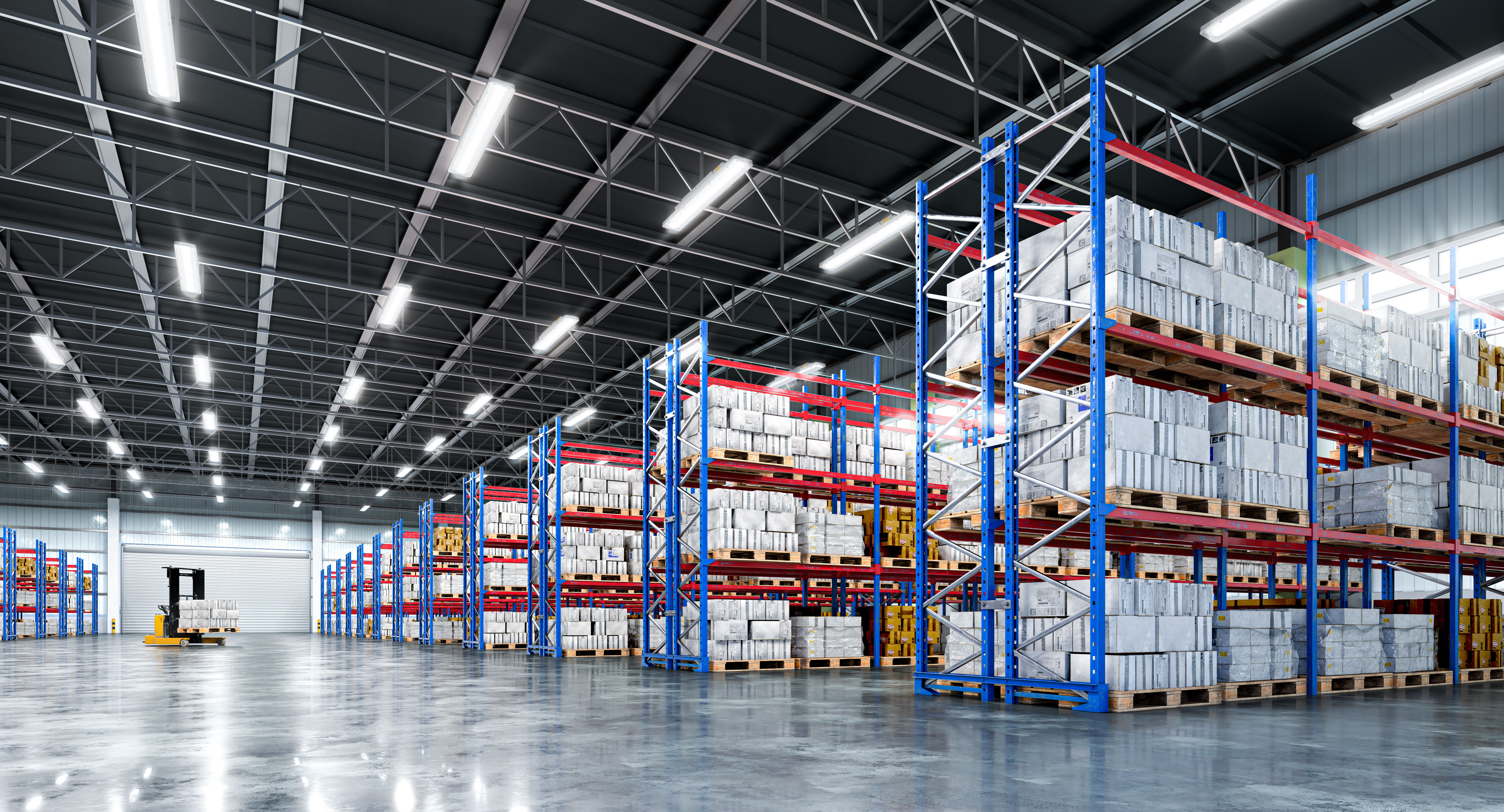
Industrial warehouses must be designed to withstand various environmental conditions and the wear and tear of daily operations. This means choosing durable materials that can handle heavy loads and potential hazards. Steel frames and concrete floors are popular choices due to their strength and longevity.
Environmental considerations are also essential. Implementing energy-efficient systems such as LED lighting and solar panels can reduce operational costs and support sustainability goals. Adequate insulation and ventilation ensure the warehouse remains comfortable for workers and protects stored goods.

Technology and Automation
Incorporating technology and automation can streamline operations and improve efficiency. Automated storage and retrieval systems (ASRS), warehouse management systems (WMS), and conveyor systems are some examples that can enhance productivity. Consider whether these technologies will improve your operations and plan their integration early in the design process.
Regulatory Compliance and Safety
Adhering to regulatory requirements is non-negotiable when building a warehouse. This includes meeting building codes, fire safety standards, and occupational health and safety regulations. Engaging with local authorities and ensuring compliance from the start can prevent costly adjustments later.
Safety should be a top priority, with measures in place to protect employees and equipment. This includes installing fire suppression systems, clear signage, and designated emergency exits.

Budgeting and Project Management
Effective budgeting is critical to the successful completion of a warehouse project. Create a detailed budget that accounts for all expenses, including construction, technology, and unforeseen costs. Regularly reviewing and adjusting the budget as needed will help keep the project on track.
Project management is another key component. Hiring experienced professionals to oversee the construction process ensures that timelines are met, quality standards are upheld, and any issues are swiftly addressed. Effective communication between stakeholders is vital to the project's success.
By considering these key aspects, businesses can build industrial warehouses that not only meet their current needs but also offer flexibility for future growth. A well-planned and expertly executed warehouse can become a cornerstone of a successful supply chain, driving efficiency and productivity.