
Comprehensive Guide to Building Efficient Industrial Warehouses


Understanding the Basics of Industrial Warehouses
Building an efficient industrial warehouse is crucial for businesses aiming to enhance their supply chain operations. These structures are more than just storage spaces; they are vital components that can significantly impact a company's logistical efficiency and operational costs.
To start, it's essential to understand the basic requirements of an industrial warehouse. This includes determining the size, location, and specific needs based on the type of goods being stored. For example, perishable items like food require different conditions compared to electronics.
Site Selection and Design
Site selection is a critical factor in warehouse efficiency. The chosen location should ideally be close to major transportation hubs such as highways, railways, or ports. This proximity reduces transportation costs and delivery times, thereby increasing overall efficiency.
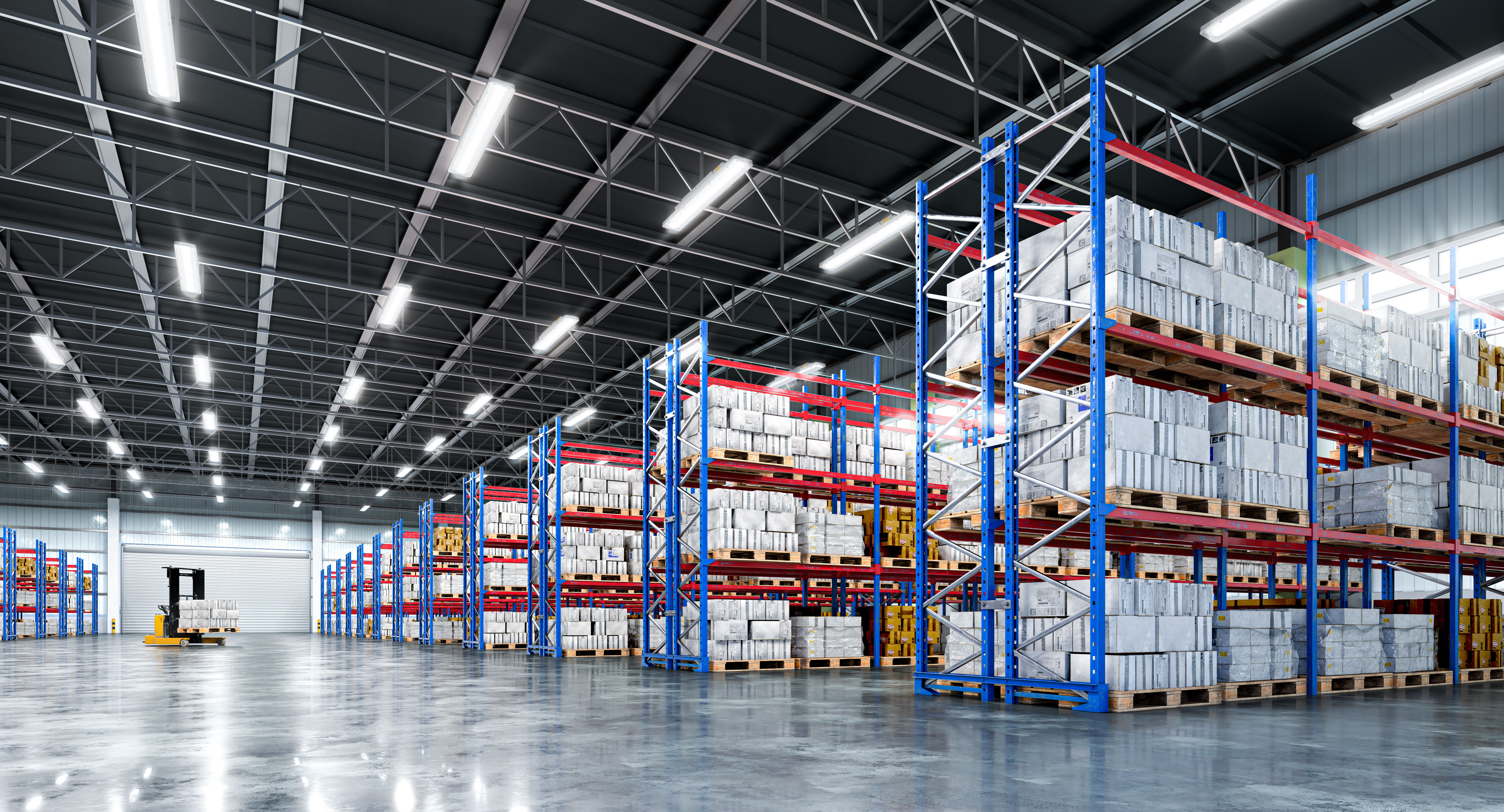
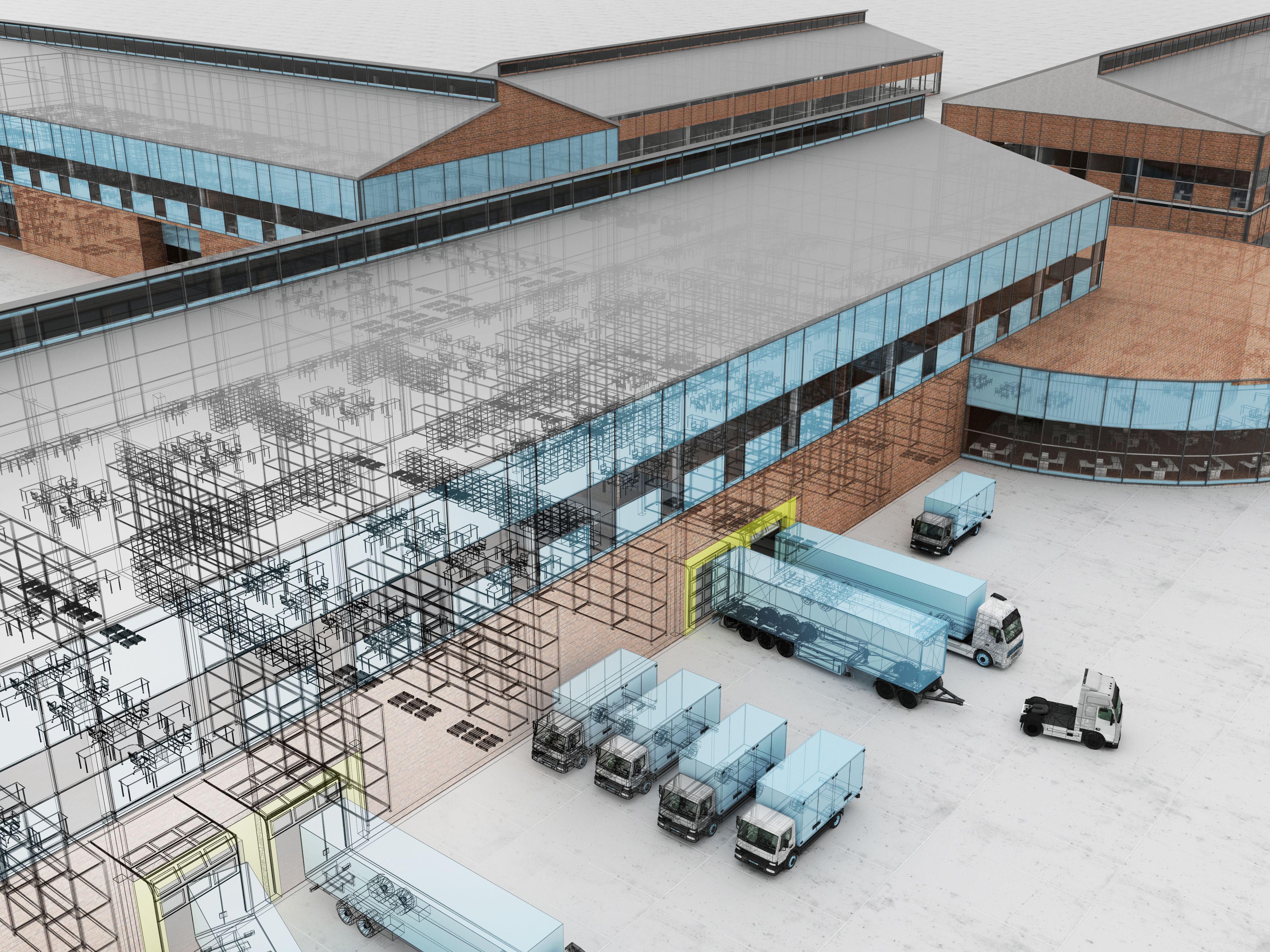
Once a site is selected, the design phase begins. A well-designed warehouse maximizes space utilization and incorporates elements such as docking bays, storage racks, and automated systems. It's important to tailor the design to the specific needs of the business, ensuring optimal workflow and safety.
Incorporating Technology
Technology plays a pivotal role in modern warehouse operations. Implementing advanced inventory management systems can streamline processes and reduce human error. Automated guided vehicles (AGVs) and robotic systems can enhance productivity and safety by handling repetitive tasks efficiently.
Furthermore, incorporating data analytics can provide insights into inventory levels, turnover rates, and other critical metrics. These insights enable businesses to make informed decisions that improve their overall operations and reduce costs.

Optimizing Space and Layout
Effective space utilization is key to a successful warehouse. This involves strategic planning of the layout to accommodate different types of storage such as pallet racks, shelving, and bulk storage. The layout should facilitate easy movement and access to all areas of the warehouse.
Implementing a flexible layout allows for adjustments as business needs change. Consideration should also be given to the flow of goods from receiving to storage and then to shipping, ensuring that each step is as efficient as possible.
Sustainability and Energy Efficiency
With increasing awareness of environmental impact, building sustainable warehouses has become a priority. Incorporating energy-efficient systems such as LED lighting, solar panels, and efficient HVAC systems can significantly reduce energy consumption and operational costs.
Additionally, using sustainable building materials and implementing waste reduction strategies contribute to a greener warehouse. These initiatives not only help the environment but can also enhance the company's reputation and appeal to eco-conscious consumers.

Safety and Compliance
Safety is paramount in any industrial warehouse setting. Ensuring compliance with local regulations and industry standards is essential to protect workers and minimize the risk of accidents. This includes proper training for staff, regular safety audits, and the implementation of safety protocols.
Additionally, investing in security systems such as surveillance cameras and access controls can protect valuable inventory and maintain a safe working environment.
Conclusion
Building an efficient industrial warehouse involves thoughtful planning and execution across various facets. From site selection and design to technology integration and sustainability, every aspect contributes to the overall success of the warehouse operations. By focusing on these elements, businesses can create a warehouse that not only meets their current needs but also adapts to future challenges and opportunities.