
Comparing Industrial Warehouse Construction Techniques


Introduction to Industrial Warehouse Construction
Industrial warehouses are crucial facilities that support logistics and supply chains. The construction techniques used for these structures significantly impact their functionality, cost, and durability. In this post, we will explore various construction methods employed in building industrial warehouses.
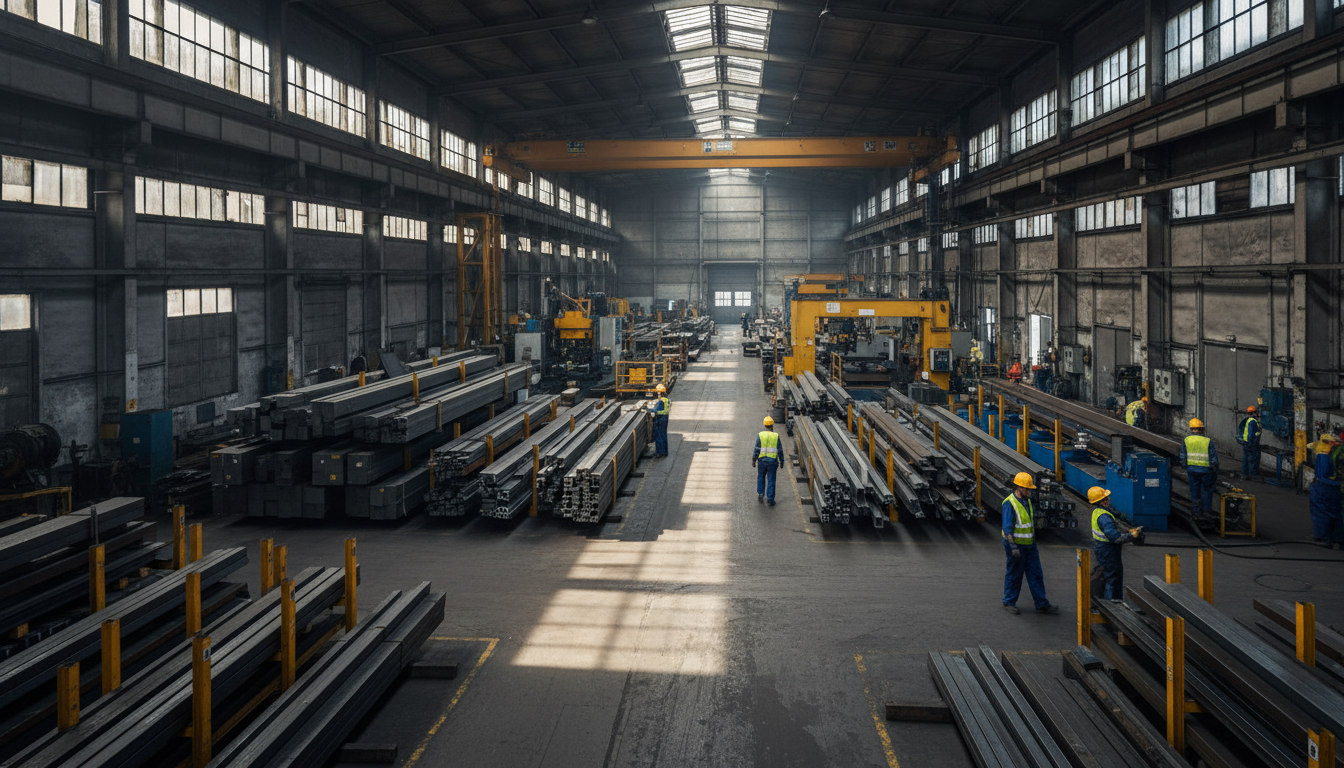
Traditional Steel Frame Construction
One of the most common techniques is traditional steel frame construction. This method involves the use of steel beams and columns to create a robust framework. The key benefits include strength and durability, making it ideal for large warehouses that require maximum load-bearing capacity.
Steel frame construction is also known for its flexibility, allowing for easy modifications and expansions. However, it can be more expensive than other methods due to the cost of materials and skilled labor required for assembly.
Pre-Engineered Buildings (PEB)
Pre-engineered buildings are gaining popularity due to their cost-effectiveness and speed of construction. In this method, components are fabricated off-site and then assembled on-site, reducing construction time significantly.
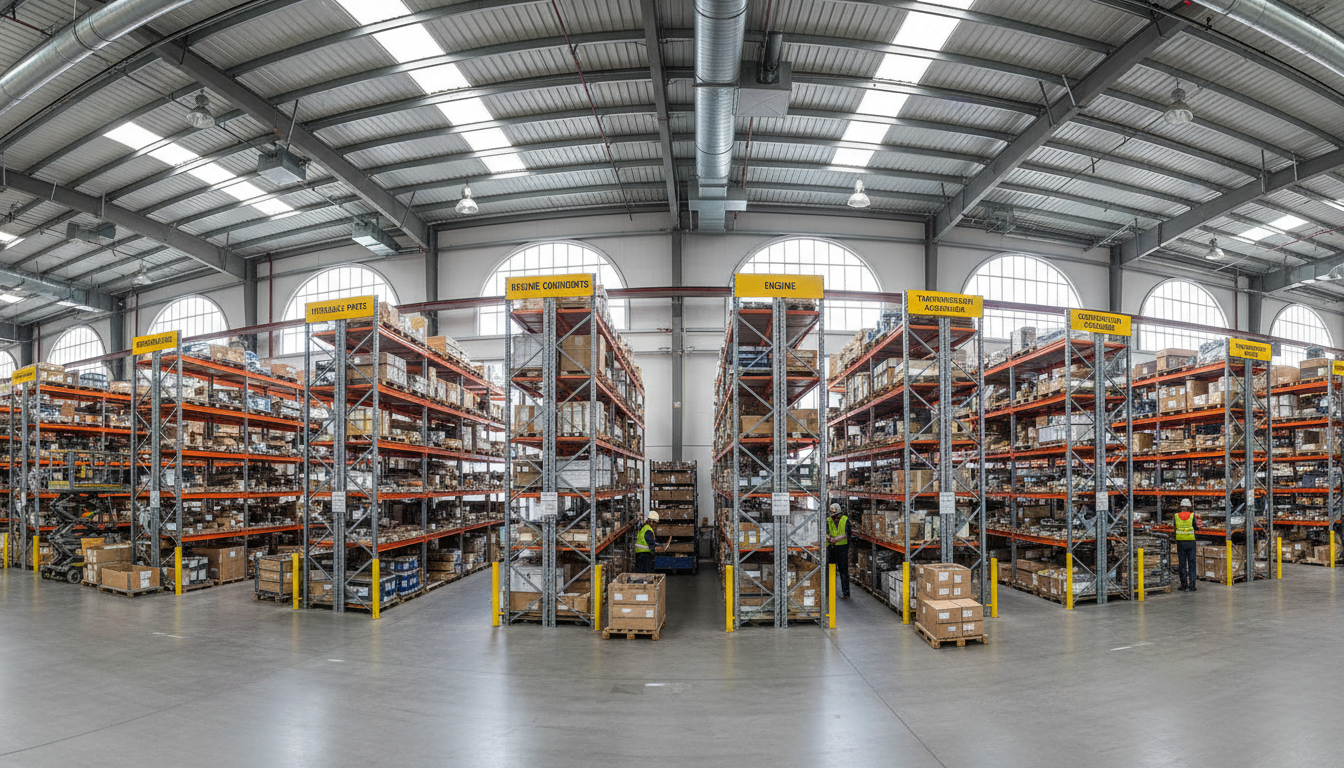
PEBs offer a high degree of customization and can be tailored to meet specific needs. They are also energy-efficient, as the design minimizes waste and optimizes material use. However, they may not be suitable for projects requiring complex architectural features.
Concrete Tilt-Up Construction
Concrete tilt-up construction involves casting concrete panels on-site and then tilting them into position to form the walls of the warehouse. This method is known for its cost efficiency and speed of erection.
It is particularly effective for large, single-story warehouses. However, it requires significant space for panel casting, which might not be feasible in densely populated areas.

Modular Construction
Modular construction is an innovative approach where sections of the warehouse are prefabricated in a factory and then transported to the site for assembly. This method is highly efficient, reducing on-site labor and minimizing environmental impact.
It provides flexibility in design and can be quickly adapted to changing needs. However, transportation of large modules can be challenging and may incur additional costs.
Choosing the Right Technique
When selecting a construction technique for an industrial warehouse, it's essential to consider factors such as budget, timeline, site conditions, and future expansion plans. Consulting with experienced professionals can provide valuable insights and help in making an informed decision.
Conclusion
The choice of construction technique can significantly influence the success of an industrial warehouse project. By understanding the benefits and limitations of each method, stakeholders can ensure that their warehouse is built to meet their specific needs efficiently and economically.