
Common Mistakes in Warehouse Construction and How to Avoid Them


Understanding the Importance of Proper Planning
Warehouse construction is a complex process that requires meticulous planning and execution. One of the most common mistakes is the lack of a comprehensive plan. Without a clear blueprint, it's easy to overlook crucial elements that can affect the warehouse's functionality and efficiency. Proper planning should include assessing the site's location, understanding logistical needs, and considering future growth.

Another key aspect of planning is budgeting. Underestimating costs can lead to financial strain and incomplete projects. It's essential to factor in all potential expenses, including materials, labor, and unexpected contingencies. A detailed budget helps in managing resources effectively and ensures the project is completed on time.
Choosing the Right Materials
Selecting inappropriate or substandard materials is another common pitfall in warehouse construction. The choice of materials impacts the durability and safety of the building. It's crucial to choose materials that are suitable for the warehouse's intended use and environmental conditions. For example, if the warehouse will store temperature-sensitive goods, consider materials that offer good insulation.
Additionally, investing in quality materials can save money in the long run by reducing maintenance costs and extending the warehouse's lifespan. Always consult with experts to ensure that the materials meet industry standards and regulations.
Designing for Efficiency and Safety
Efficiency and safety should be at the forefront of any warehouse design. A common mistake is neglecting the workflow and operational requirements of the warehouse. The layout should facilitate easy movement of goods and personnel, minimizing bottlenecks and increasing productivity. Implementing advanced technologies like automated systems can further enhance efficiency.
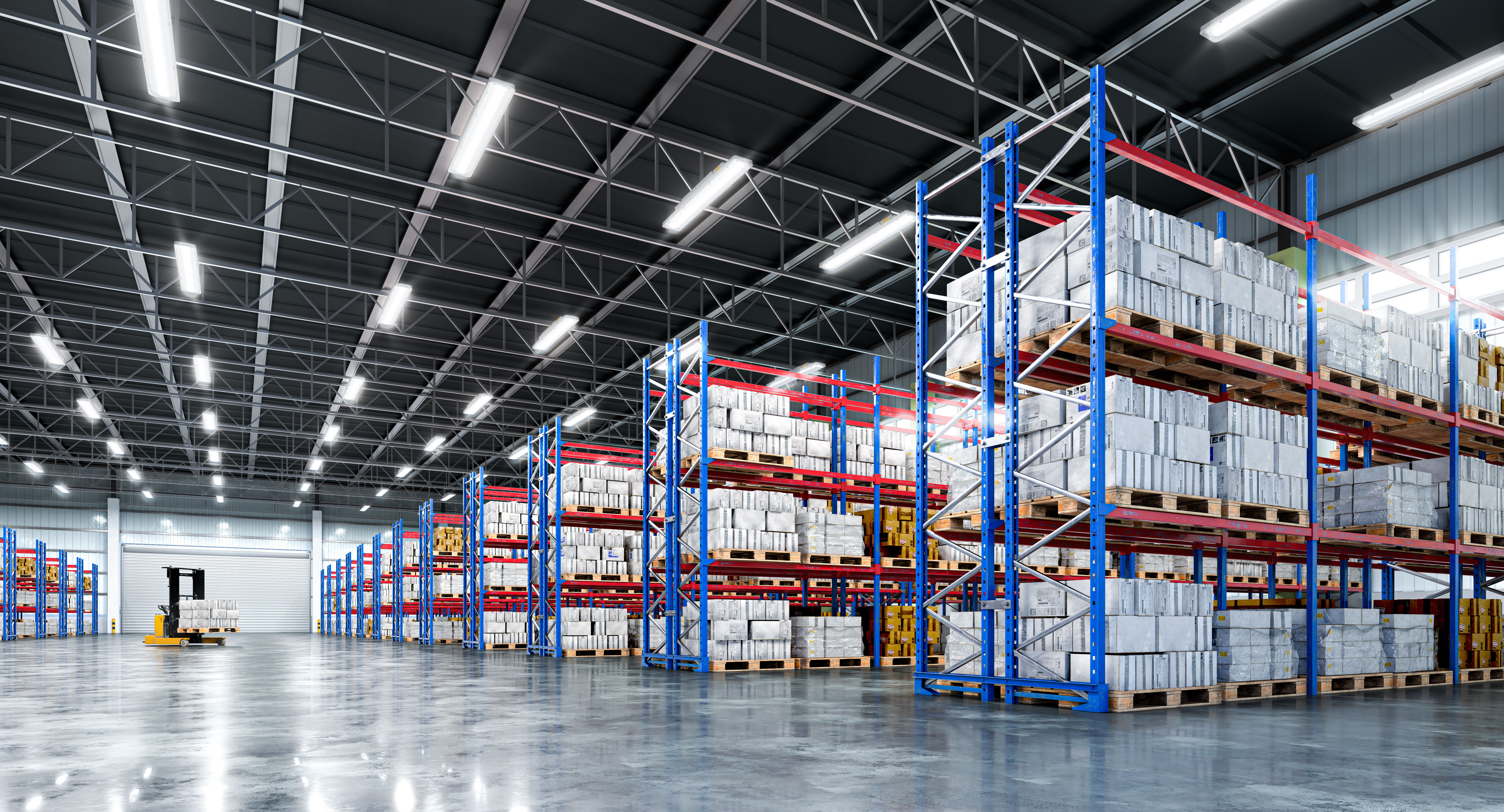
Safety is equally important. Ensure that the design includes adequate lighting, ventilation, and emergency exits. Compliance with safety regulations not only protects workers but also prevents costly legal issues. Regular safety audits can help identify potential hazards and maintain a safe working environment.
Ignoring Environmental Impact
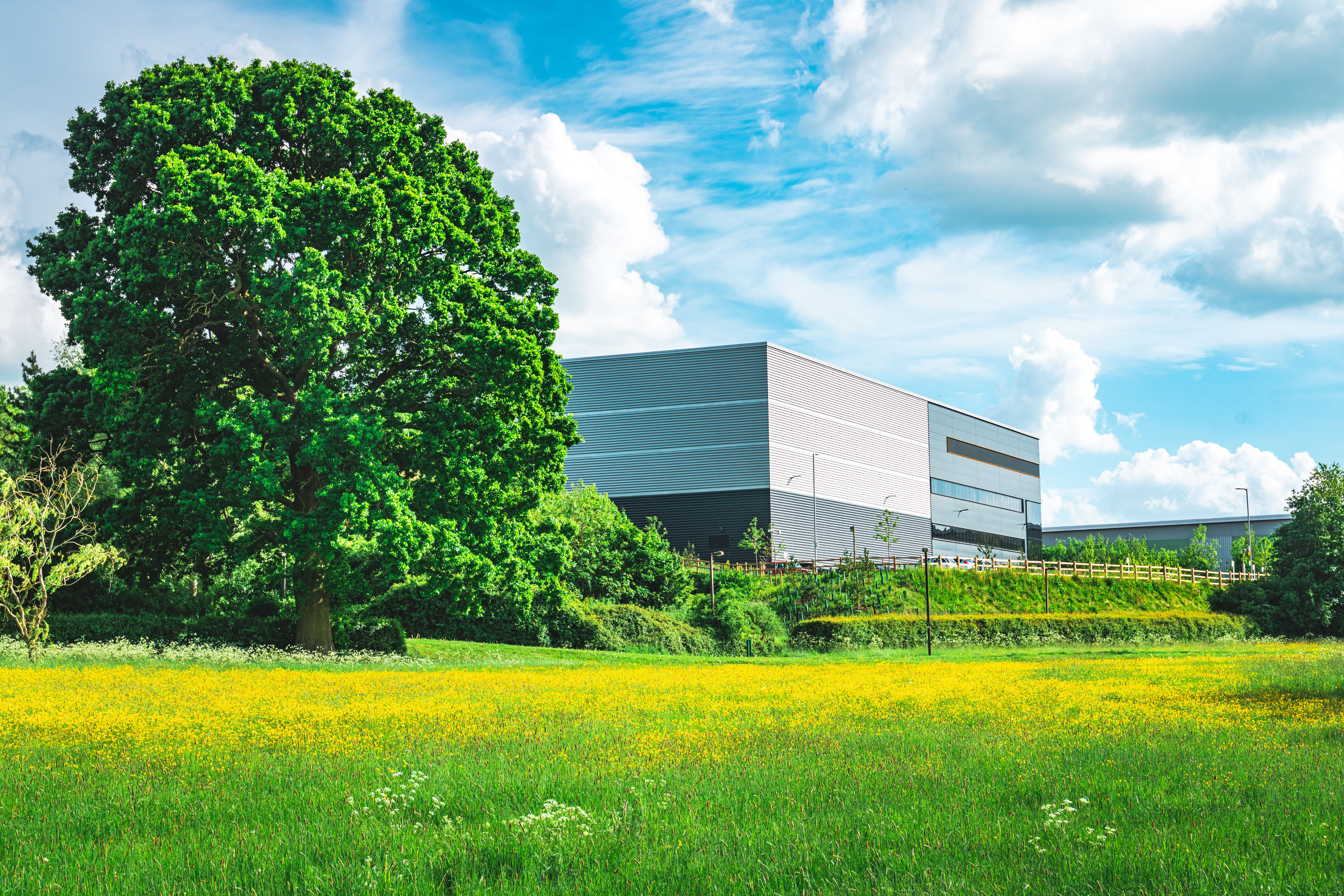
In today's world, ignoring the environmental impact of warehouse construction is a significant oversight. Sustainable construction practices not only benefit the environment but can also lead to cost savings. Consider incorporating energy-efficient systems, such as solar panels or LED lighting, to reduce the warehouse's carbon footprint.
Recycling construction waste and using eco-friendly materials are other ways to minimize environmental impact. Implementing green building practices can also enhance the company's reputation and attract environmentally conscious clients.
Ensuring Compliance with Regulations
Failure to comply with local building codes and regulations can result in severe penalties and project delays. It's essential to stay informed about the legal requirements relevant to warehouse construction. This includes zoning laws, safety standards, and accessibility requirements.
Working with experienced contractors and consultants can help navigate these regulations and ensure that the warehouse meets all necessary standards. Regular inspections and certifications are also vital to maintaining compliance throughout the construction process.
Conclusion
Avoiding common mistakes in warehouse construction requires careful planning, choosing the right materials, designing for efficiency and safety, considering environmental impact, and ensuring regulatory compliance. By addressing these areas, businesses can create a functional, safe, and sustainable warehouse that supports their operational needs and long-term goals.