
Case Study: Successful Industrial Warehouse Projects in Australia


Introduction to Industrial Warehouse Projects in Australia
Australia's industrial sector is booming, with warehouse projects playing a crucial role in supporting this growth. These projects are essential for logistics, storage, and distribution, contributing to the country's economic development. In this case study, we explore some successful industrial warehouse projects across Australia.
These projects showcase innovative designs, state-of-the-art facilities, and sustainable practices that are setting new standards in the industry. From urban logistics hubs to vast distribution centers, each project highlights unique aspects that cater to the diverse needs of businesses.
Design and Innovation
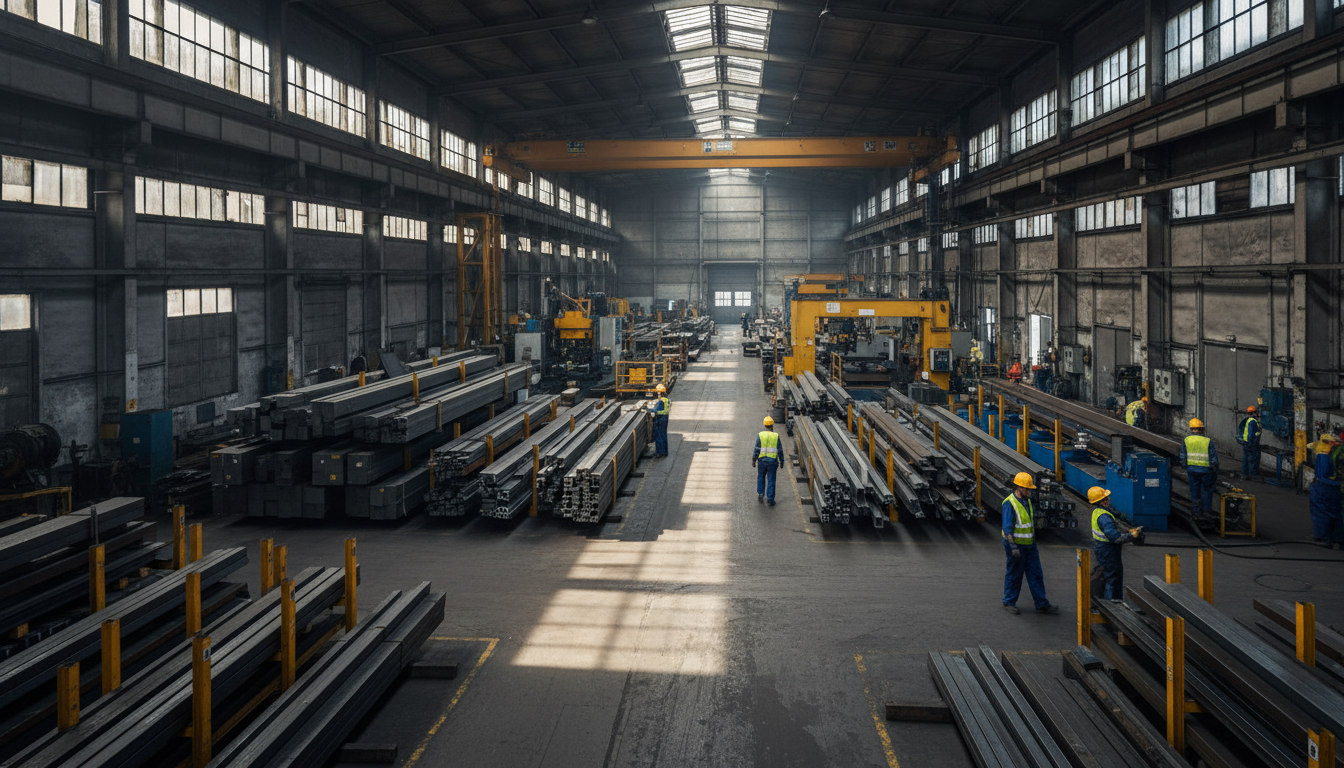
Modern warehouse projects in Australia emphasize cutting-edge design and innovation. A key example is the Melbourne Distribution Centre, which integrates *smart technology* for efficient storage and retrieval processes. The use of automated systems and robotics has significantly increased productivity and reduced operational costs.
Another noteworthy project is the Sydney Logistics Hub, which focuses on optimizing space utilization through vertical stacking and modular design. These innovations not only maximize storage capacity but also enhance safety and accessibility for workers.
Sustainability Initiatives
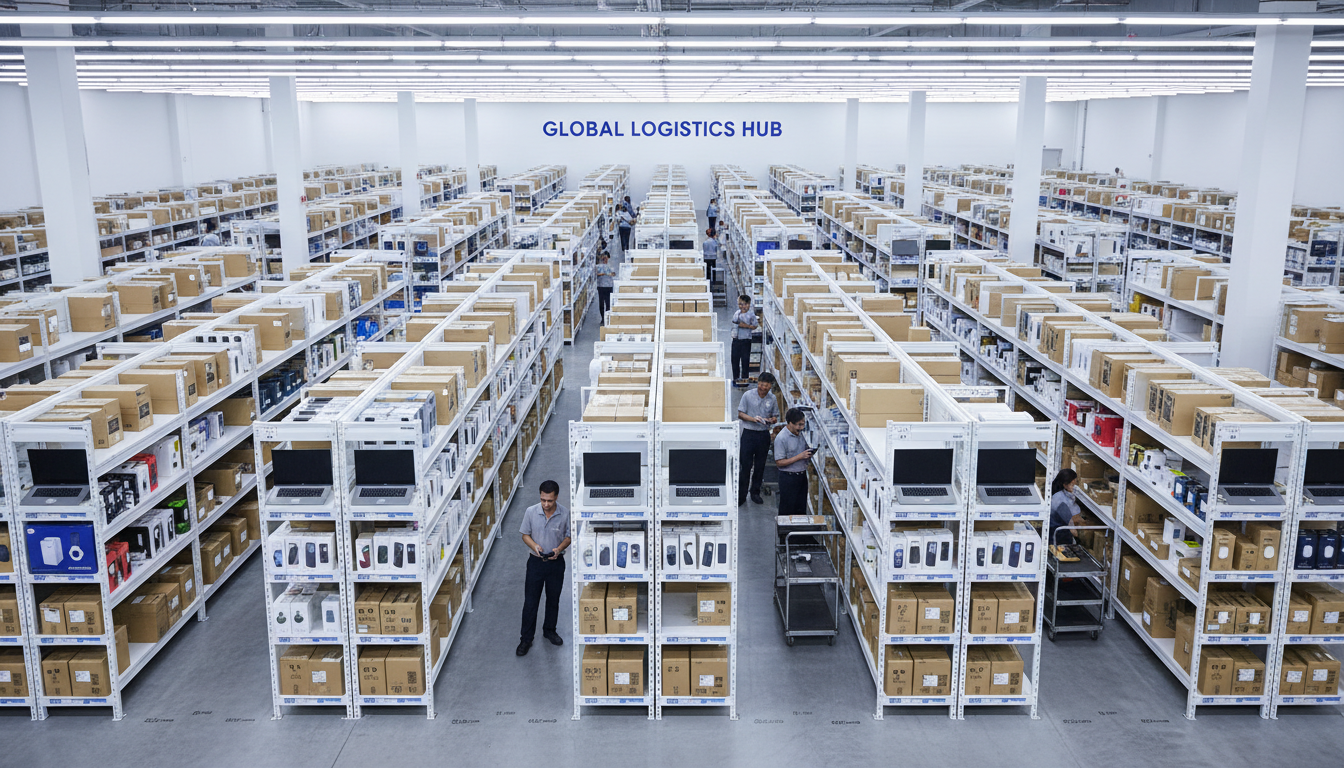
Sustainability is at the forefront of industrial warehouse development in Australia. Many projects are incorporating green building practices to reduce environmental impact. The Brisbane Eco-Warehouse is a prime example, featuring solar panels, rainwater harvesting systems, and energy-efficient lighting.
Additionally, the Perth Green Logistics Centre has been recognized for its commitment to sustainability, achieving a 5-star Green Star rating. By using recycled materials and implementing waste reduction measures, this project sets a benchmark for eco-friendly industrial facilities.
Strategic Locations
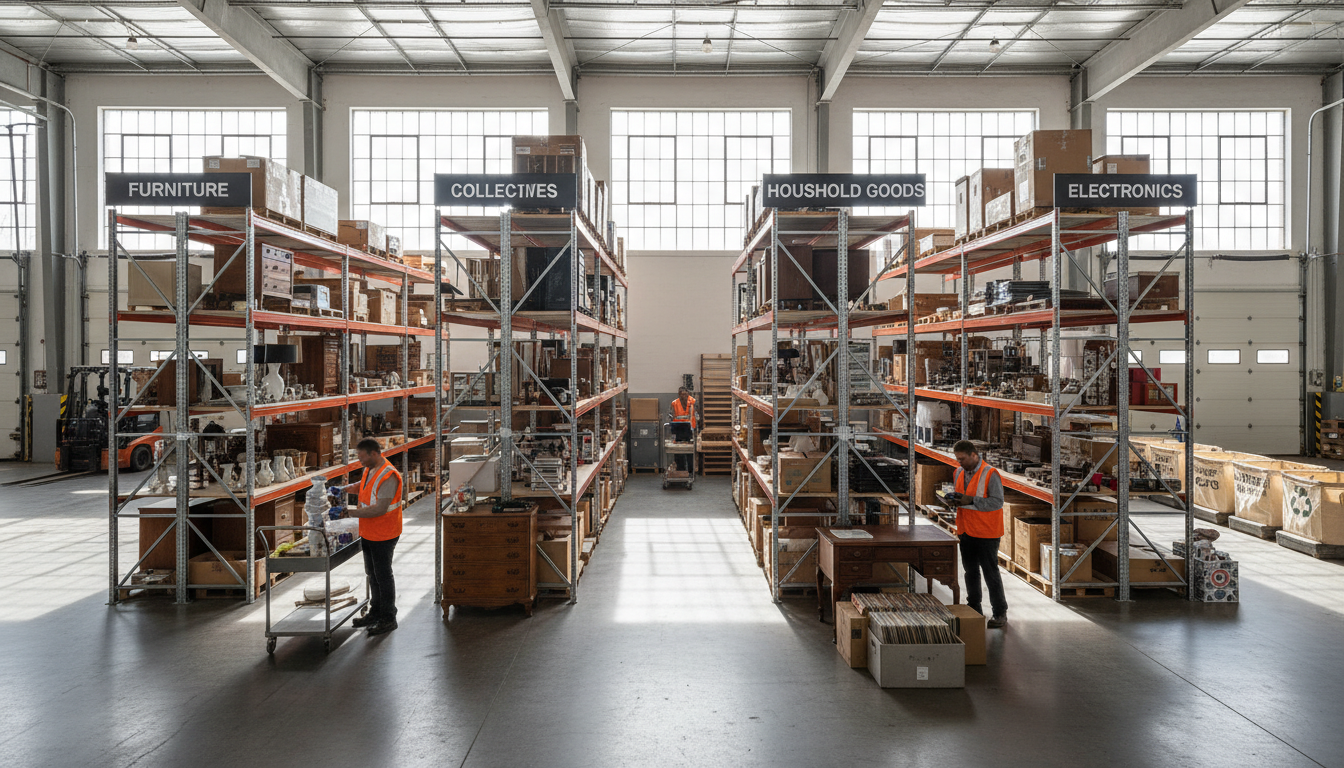
Location is a critical factor in the success of warehouse projects. The Geelong Distribution Hub, strategically positioned near major highways and ports, offers seamless connectivity for distribution networks. This location advantage translates into faster delivery times and reduced transportation costs for businesses.
Similarly, the Adelaide Industrial Estate benefits from its proximity to key urban centers, making it an ideal choice for companies looking to expand their logistics operations in South Australia.
Challenges and Solutions
While these projects have been successful, they have also faced challenges such as land acquisition, regulatory approvals, and community engagement. The Darwin Logistics Park addressed these issues by collaborating closely with local authorities and stakeholders to ensure compliance and community support.
Moreover, innovative solutions like adaptive reuse of existing structures have been employed to overcome land scarcity, as seen in the Hobart Industrial Refurbishment Project.

Conclusion
The successful industrial warehouse projects in Australia demonstrate the industry's ability to adapt and innovate in response to evolving demands. By focusing on design, sustainability, strategic location, and overcoming challenges, these projects provide valuable insights into the future of industrial development.
As Australia continues to grow as a key player in global logistics, these warehouse projects will undoubtedly play a pivotal role in supporting economic expansion and sustainability goals.