
Case Study: Successful Industrial Warehouse Projects in Australia


Introduction to Industrial Warehouse Projects
Australia has emerged as a significant player in the industrial warehouse space, driven by the booming e-commerce sector and the strategic need for efficient supply chain solutions. The country has seen numerous successful projects that highlight innovative design and sustainable practices.
Factors Contributing to Success
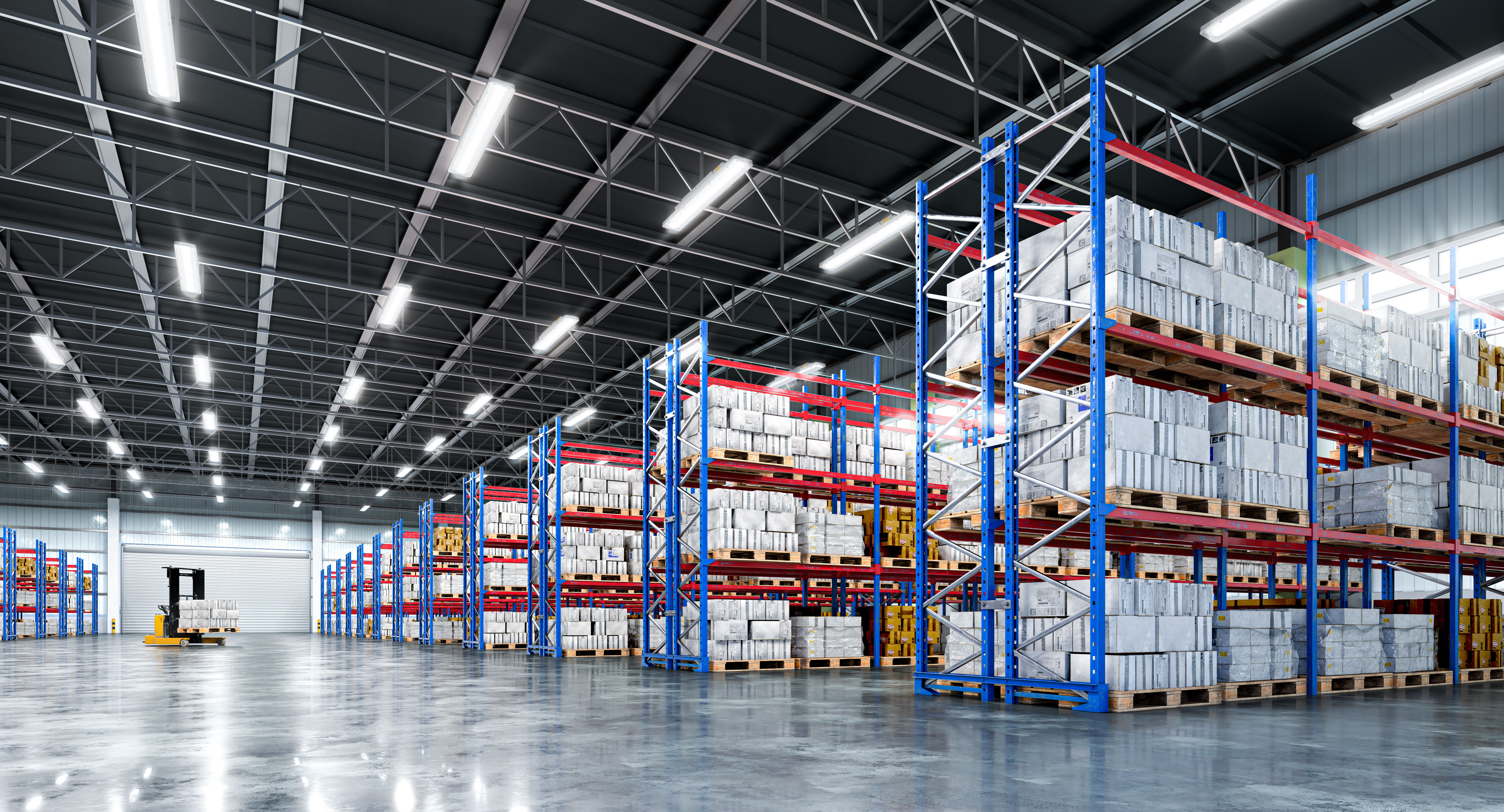
Key factors contributing to the success of industrial warehouse projects include strategic location, advanced technology integration, and sustainable construction methods. These elements ensure that warehouses can meet current and future demands effectively.
Location is critical, as warehouses need to be accessible to major transport routes and urban centers. Proximity to key markets reduces transportation costs and delivery times, enhancing overall efficiency.
Innovative Design and Technology
Modern warehouses utilize innovative designs that maximize space and operational efficiency. High ceilings, open floor plans, and modular spaces allow for flexible usage and easy adaptation to changing needs.
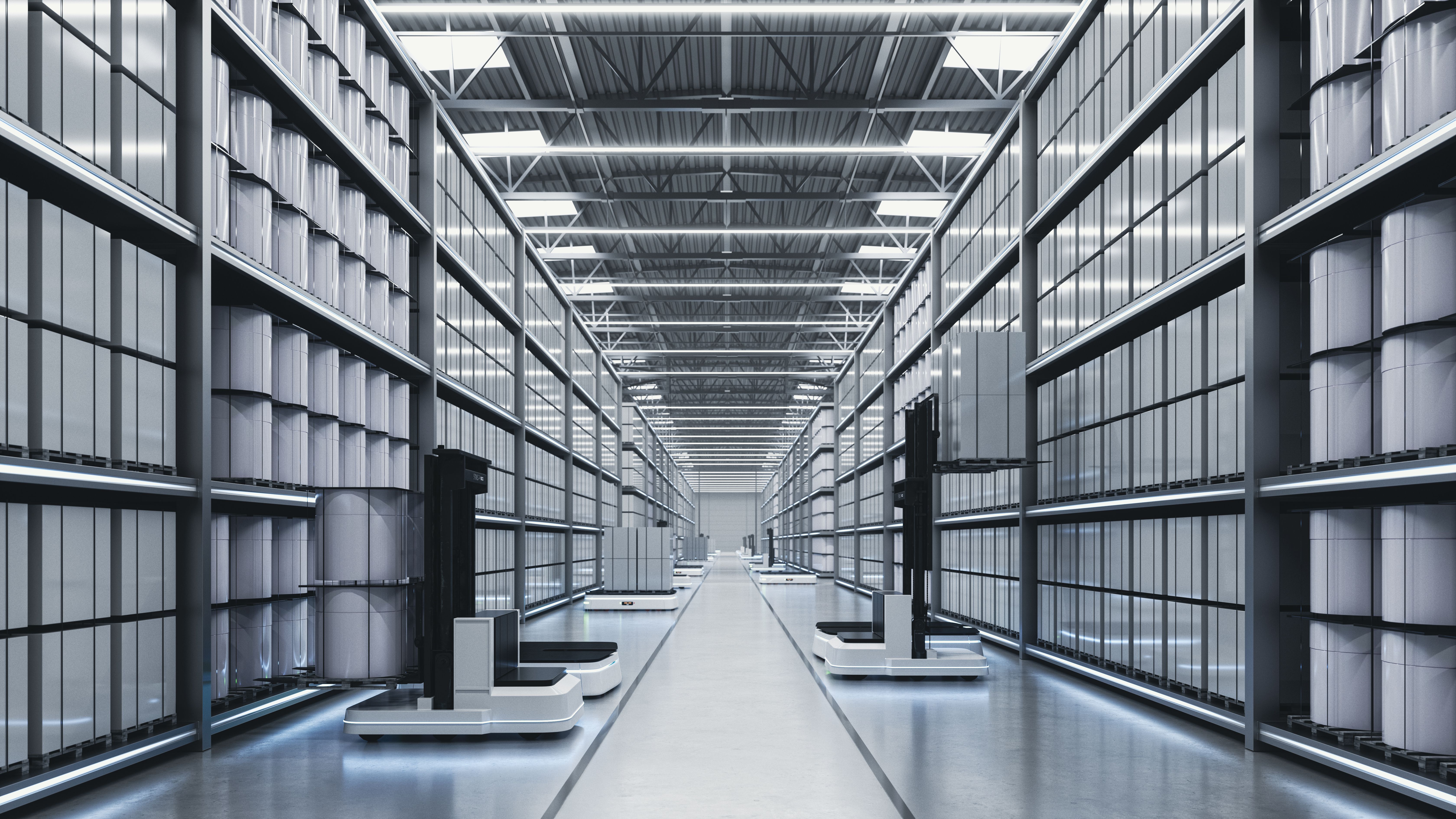
Technology plays a pivotal role in improving warehouse operations. Automation, robotics, and IoT devices streamline processes, reduce human error, and enhance inventory management, leading to increased productivity.
Sustainability in Construction
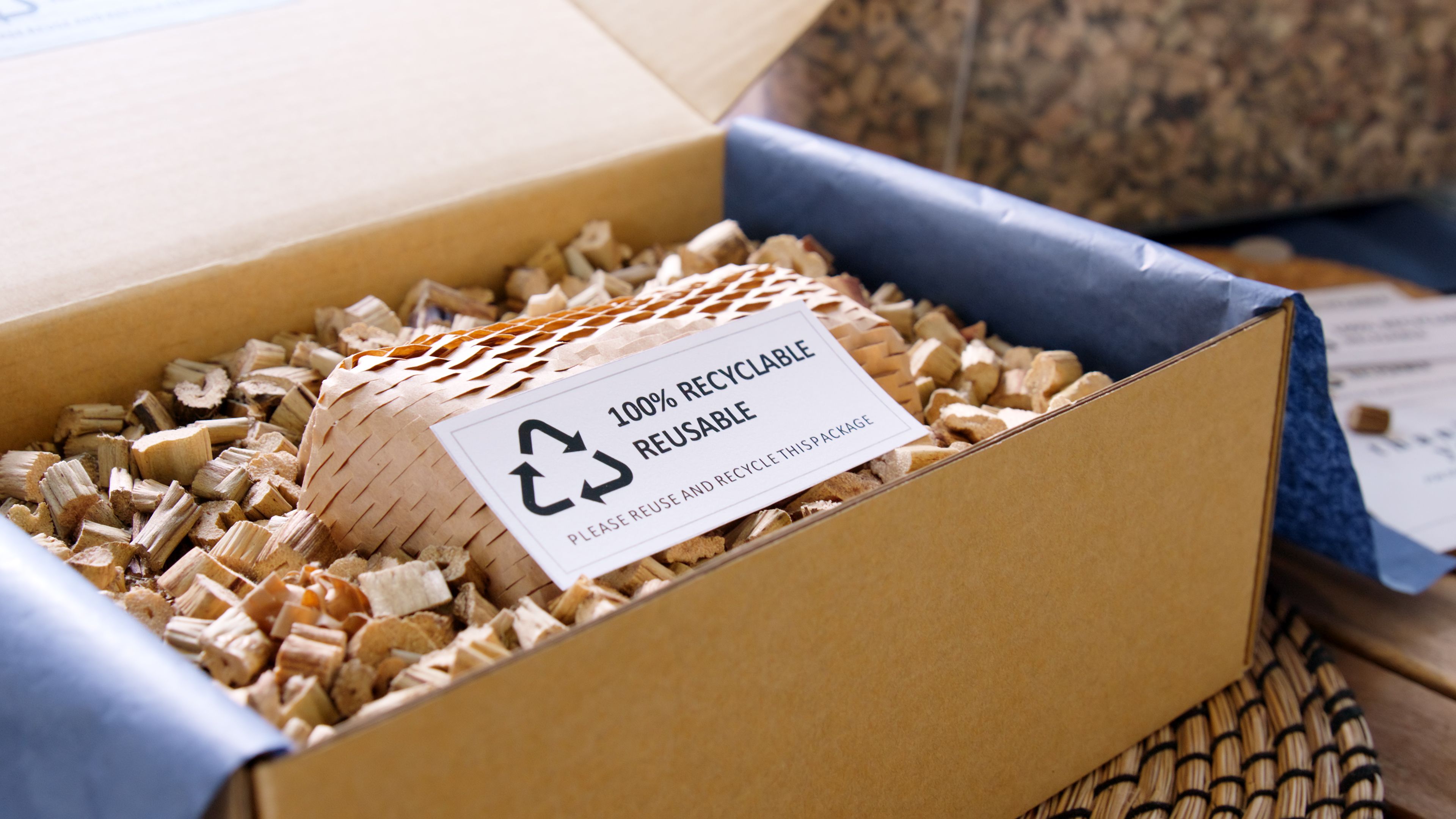
With a growing emphasis on sustainability, many Australian warehouse projects incorporate eco-friendly materials and energy-efficient systems. Solar panels, rainwater harvesting systems, and LED lighting are common features that reduce the environmental impact.
These sustainable practices not only benefit the environment but also result in long-term cost savings. Companies are increasingly seeing the value in investing in green technologies.
Case Studies of Notable Projects
Several projects in Australia exemplify successful industrial warehouse design and execution:
- Project Alpha: Located in Sydney, this warehouse integrates advanced automation, reducing operational costs by 30%.
- EcoWarehouse: Situated in Melbourne, it employs sustainable practices, earning a five-star Green Star rating.
- Logistics Hub 360: In Brisbane, this facility's strategic location enhances supply chain efficiency for numerous businesses.
Challenges and Solutions
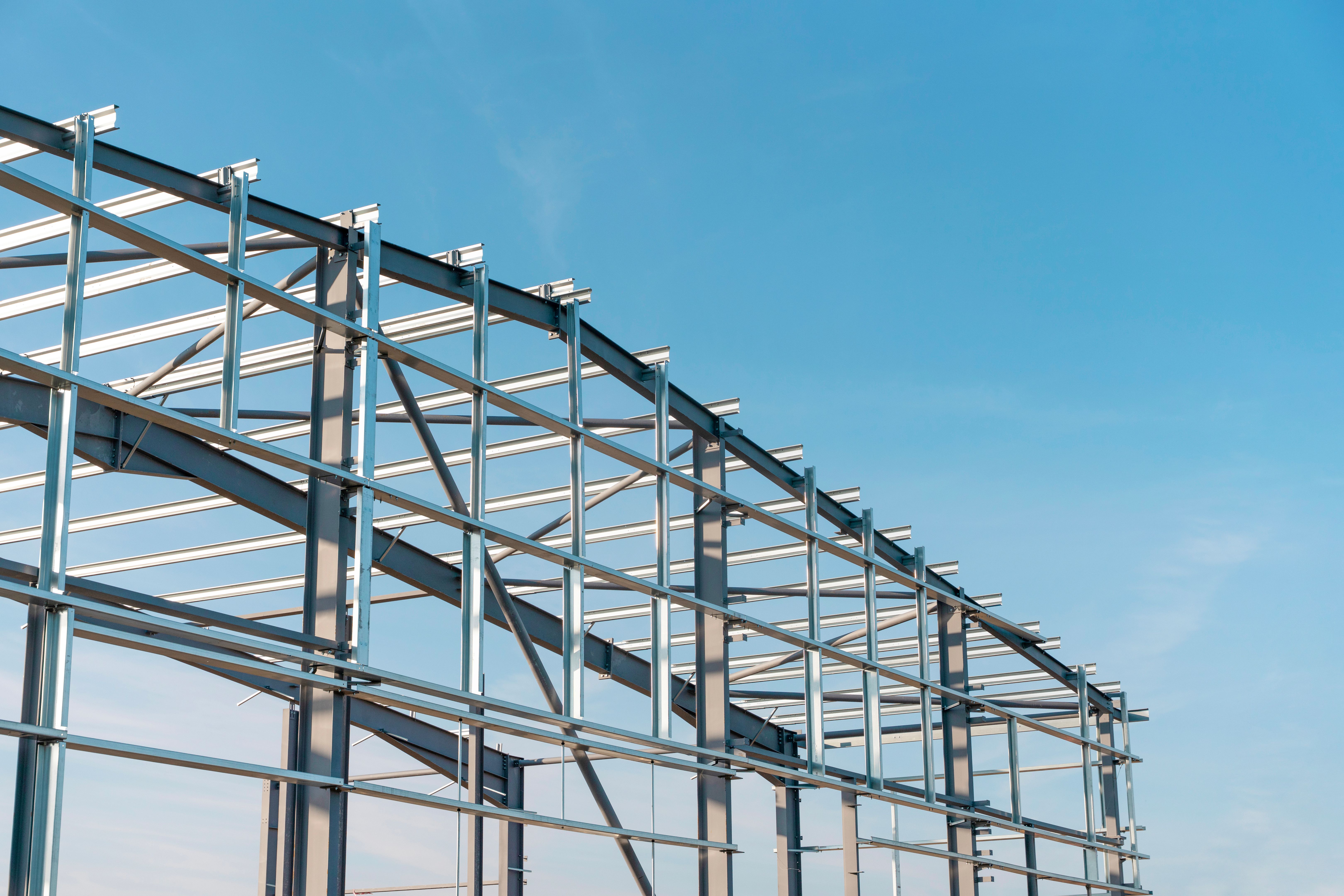
Despite these successes, challenges such as regulatory compliance, land acquisition, and construction timelines can pose significant hurdles. Effective planning and stakeholder collaboration are critical to overcoming these issues.
Engaging with local authorities early in the project can streamline the approval process, while leveraging technology can ensure projects stay on schedule and within budget.
Future Trends in Warehouse Development
Looking ahead, the trend towards urban fulfillment centers is expected to grow, driven by the need for faster delivery times. These smaller, strategically located warehouses will support the demand for rapid e-commerce fulfillment.
Additionally, advances in artificial intelligence and machine learning are set to further revolutionize warehouse operations, offering predictive analytics and enhanced decision-making capabilities.
Conclusion
Australia's industrial warehouse sector continues to evolve, embracing innovation and sustainability to meet the demands of a dynamic market. By learning from successful projects and adapting to future trends, the industry is well-positioned for continued growth and success.