
Case Study: Successful Industrial Warehouse Projects and Key Takeaways


In recent years, the demand for efficient industrial warehouse projects has surged, driven by the growth of e-commerce and the need for streamlined supply chains. Successful warehouse projects can serve as a benchmark for future developments, offering insights into design, technology, and operational efficiency.
Project Overview
One standout project is the transformation of an outdated facility into a state-of-the-art warehouse for a leading logistics company. This project involved a comprehensive redesign, incorporating advanced automation and sustainable practices.
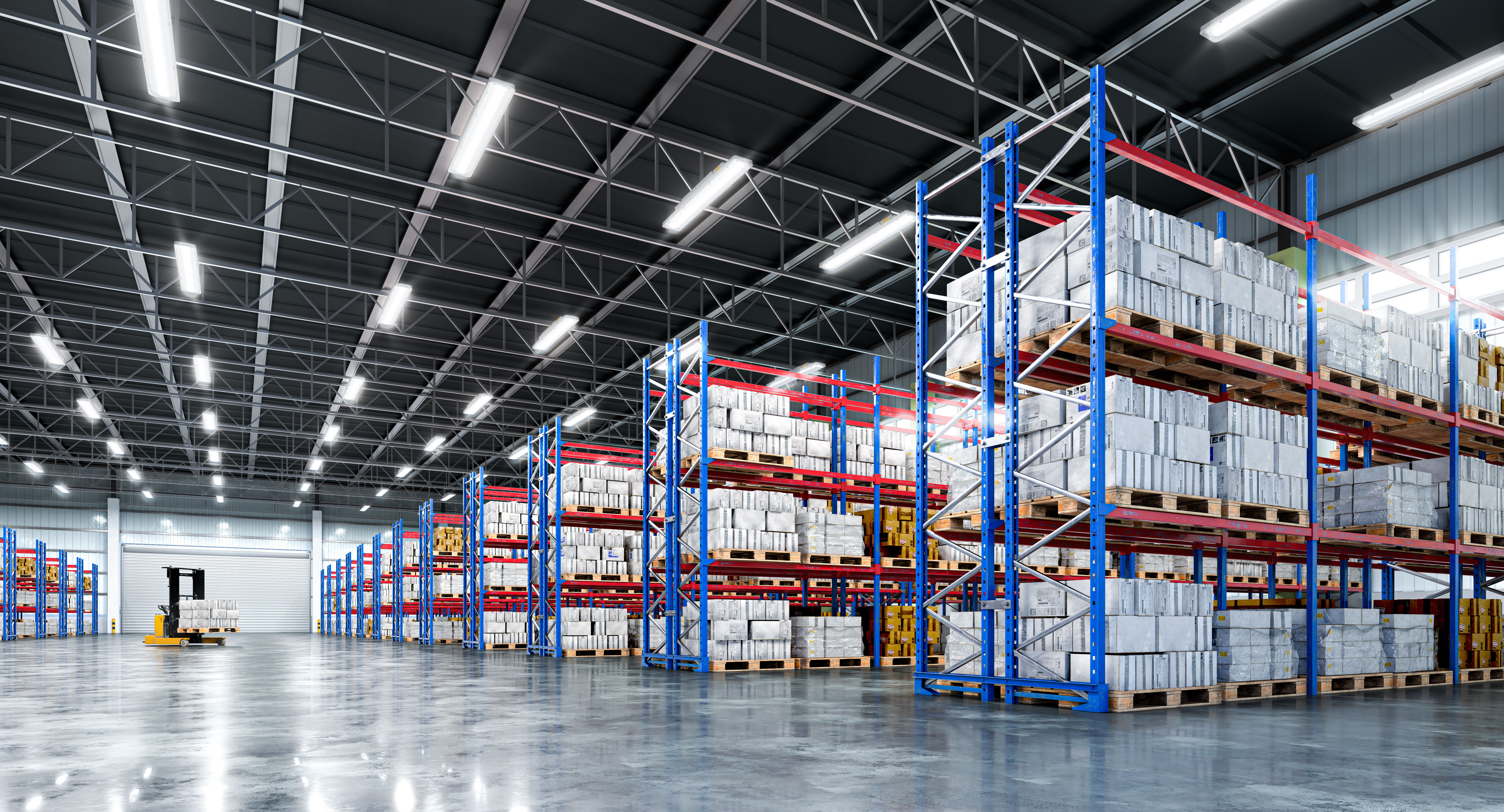
The primary goal was to increase storage capacity while reducing operational costs. By leveraging vertical space and integrating automated storage and retrieval systems (ASRS), the project achieved a 30% increase in efficiency.
Key Design Elements
Space Optimization
Space optimization was a crucial component. The project utilized narrow aisle layouts and high-density racking systems, allowing for maximum use of available space without compromising accessibility.

Technology Integration
Integrating technology was another vital aspect. The use of ASRS and warehouse management systems (WMS) streamlined operations, reduced human error, and enhanced inventory accuracy. These technologies enabled real-time tracking and data analysis, facilitating informed decision-making.
Sustainability Initiatives
Sustainability was at the forefront of this project. The warehouse incorporated energy-efficient lighting, solar panels, and a rainwater harvesting system. These initiatives not only reduced the environmental footprint but also resulted in significant cost savings over time.

Additionally, the project focused on minimizing waste through recycling programs and utilizing eco-friendly materials in the construction process. By prioritizing sustainability, the warehouse now serves as a model for future developments.
Operational Efficiency
The implementation of cross-docking techniques and optimized workflow processes contributed to enhanced operational efficiency. These changes reduced handling times and improved the speed of order fulfillment.
Employee Training and Safety
Employee training was emphasized to ensure safety and efficiency. Comprehensive training programs were developed to familiarize staff with new technologies and safety protocols, resulting in a 20% reduction in workplace accidents.

Key Takeaways
From this project, several key takeaways emerge for future industrial warehouse developments:
- Leverage Technology: Embrace automation and advanced management systems to enhance efficiency.
- Focus on Sustainability: Implement eco-friendly practices to reduce costs and environmental impact.
- Prioritize Space Optimization: Efficient layout designs can significantly boost storage capacity and accessibility.
- Invest in Employee Training: Well-trained employees are crucial for safe and efficient operations.
These strategies can serve as a blueprint for developing warehouses that are not only efficient but also sustainable and adaptable to future needs.